Introduction
Have you come across the word “Kibard” and wondered what it means? You’re not alone. “Kibard” is an intriguing term that carries two distinct interpretations in the modern digital world. On one hand, it’s often a simple typographical or voice-to-text error for the word “keyboard.” On the other hand, “Kibard” has taken on a life of its own in design and tech culture, becoming a recognized term representing a modern philosophy of functional minimalism blended with human-centered creativity.
This article explores both meanings in-depth to clarify misconceptions, highlight real-world applications, and uncover the growing impact Kibard is having on our digital tools, design thinking, and lifestyle choices. Whether you’re here after a misspelled search or you’re genuinely curious about this rising concept, prepare to discover everything there is to know about Kibard.
The Common Typo: “Kibard” vs. “Keyboard”
One of the most frequent causes of confusion surrounding the word “Kibard” stems from its similarity to “keyboard.” The words sound remarkably alike, and it’s common for people to type “Kibard” instead of “keyboard,” especially when using mobile keyboards, typing quickly, or relying on voice-to-text input. This accidental variation has become so widespread that it’s now indexed by search engines, leading to searches for “Kibard meaning” or “Kibard or keyboard.” Digital marketers even consider it a valuable typo-keyword due to its relevance in search behavior.
The reason for this confusion is rooted in phonetics—when spoken quickly, the ‘o’ in “keyboard” often sounds like an ‘a’ or is swallowed altogether, causing transcription software or human typists to write “Kibard.” While there’s no official dictionary entry for “Kibard” as a separate term in this context, it has organically become part of the online vocabulary.
What Is a Keyboard?
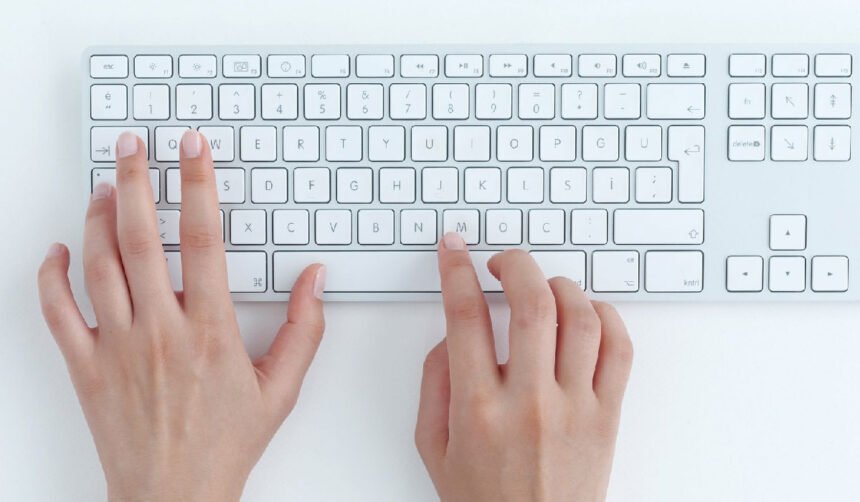
To address the typo-origin of “Kibard,” it’s important to define what a keyboard is for those who may be searching the term with the intent of learning. A keyboard is a digital input device used to type text, execute commands, and control digital environments. It is an essential part of almost every electronic system—used in computers, tablets, smartphones, gaming consoles, smart TVs, and even smart home devices.
There are two primary types: physical hardware keyboards (like mechanical or membrane models) and virtual keyboards displayed on touchscreen devices. The keyboard remains vital for activities ranging from writing emails and creating code to gaming, chatting, and designing graphics. It’s not just a tool—it’s a bridge between human intention and digital execution.
Kibard as a Design and Digital Concept
Beyond being a common misspelling, “Kibard” is also gaining traction as a new design and lifestyle concept rooted in a blend of minimalism, functionality, and human warmth. In this context, Kibard refers to a design approach or digital philosophy that prioritizes clean lines, intuitive interaction, and emotional calm. Originating from the overlap between UI/UX design and product aesthetics, Kibard represents a movement where simplicity doesn’t mean sterile, and minimalism doesn’t mean empty. In design-forward communities and among independent creators, Kibard has come to symbolize a method of working and building where every choice is intentional, elegant, and designed to reduce clutter—both visual and mental. It’s no longer just about how something looks, but how it feels to interact with it.
Evolution of the Kibard Philosophy
The concept of Kibard didn’t emerge overnight—it evolved as a response to increasingly complex technology and overstimulating interfaces. Its roots can be loosely traced back to early 2000s digital minimalism, with inspiration drawn from Bauhaus simplicity, Scandinavian calmness, and Japanese Zen principles. As technology advanced, so did user expectations. People started demanding not only smarter but also more beautiful and emotionally satisfying products. Kibard began surfacing in smart home devices, workspaces, and digital products where the focus shifted toward clean functionality that soothes the senses. Kibard’s evolution also mirrors broader lifestyle trends—like the push for mindful living, sustainable design, and tech that blends into our homes and habits instead of shouting for attention.
Key Features of Kibard Design
Kibard-inspired products and interfaces share a common visual and functional language. First, they favor clean, structured lines with little to no ornamental elements. Visual noise is reduced to make room for user clarity. Second, color schemes lean toward muted tones—soft greys, beiges, matte blacks, and whites—often accompanied by natural materials like smooth woods or brushed metal. The overall vibe is calm, structured, and inviting. Interfaces follow logical layouts, but not at the cost of warmth. Kibard is functional yet empathetic. It supports emotional well-being through features like thoughtful spacing, rounded corners, tactile surfaces, and user-focused flows. In product form, it results in tools that are beautiful, reliable, and built to reduce friction in everyday tasks.
Psychological and Emotional Impact
One of Kibard’s core strengths lies in its psychological benefits. Our brains are constantly processing visual and sensory data, and cluttered or chaotic environments lead to cognitive fatigue. Kibard’s design language actively combats this by promoting visual clarity, predictability, and simplicity. Users of Kibard-inspired software and physical products often report a sense of ease, focus, and comfort. In workspaces, this translates to improved productivity and reduced stress. In digital tools, it means faster learning curves and lower frustration. The emotional experience of interacting with Kibard-driven designs mirrors the effects of minimal but meaningful interior spaces—peaceful, efficient, and human-centric.
Kibard in Product Development
Kibard has left a visible mark on product development across various industries. Tech products such as smart speakers, thermostats, wearable devices, and even kitchen appliances are increasingly adopting Kibard principles. You’ll see it in the clean lines of a smart home hub, the intuitive layout of a minimalist to-do app, or the sustainable packaging of a wellness brand. Kibard is also a go-to aesthetic in furniture and home design—think of standing desks with soft wood finishes and elegant form, or chairs designed with ergonomic comfort and unobtrusive beauty. In branding, companies use Kibard’s restrained style to build trust and focus attention on core values. Even analog tools like journals and pens are being redesigned with Kibard ideals—simple, useful, beautiful.
Kibard as a Software/Platform Tool
Apart from being a design trend, Kibard is increasingly appearing in the software landscape as a name for intuitive platforms. In this context, Kiboard represents a digital tool built with user-first principles. These platforms often focus on project management, creative collaboration, or productivity enhancement. What sets them apart is their clean UI, fast performance, and effortless integration with other tools. Features like drag-and-drop customization, real-time collaboration, cloud-based syncing, and encrypted data sharing are standard. What makes Kibard software truly special is its development process: it evolves based on direct community feedback. Updates are driven not by trends but by actual user needs, which gives it an edge in a world overwhelmed by bloatware.
Real-World Applications of Kibard
Kibard is no longer a niche concept—it’s influencing real-world decisions in multiple sectors. Tech, Kiboard informs how user interfaces are structured for everything from mobile apps to car dashboards. In healthcare, Kibard principles guide the design of intuitive patient dashboards, helping doctors access critical data without information overload. In education, LMS platforms designed with Kibard aesthetics make learning more engaging and less overwhelming. Freelancers and creatives use Kiboard-inspired apps to track tasks, plan content, and manage client workflows efficiently. Home décor brands embrace Kibard by producing smart lighting and modular furniture that blends effortlessly into any environment. It’s a concept that scales—from the micro-level of a to-do list app to the macro-level of architectural spaces.
Success Stories and Testimonials
The growing popularity of Kibard is best reflected through user experiences. Take Sarah, a UI designer who implemented Kiboard-inspired layouts in her client projects. The result? A 40% decrease in user complaints and a noticeable increase in engagement. Then there’s Mark, a startup manager, who adopted a Kiboard-based productivity tool for his remote team. Within three weeks, collaboration became smoother, and task turnaround improved. Teachers in rural classrooms have reported better student engagement when using Kiboard-designed educational software. These aren’t isolated cases—they highlight the widespread resonance Kibard has in different settings. Its emphasis on clarity, focus, and emotional ease makes it an asset to anyone seeking to create or use thoughtful, human-centered solutions.
Kibard vs. Other Design Approaches
To understand what makes Kibard different, it’s useful to compare it with other popular design ideologies. Unlike strict minimalism, which can sometimes feel cold or overly austere, Kibard allows for softness and human emotion. It supports flexibility without compromising structure. Compared to maximalism, Kibard reduces excess while retaining expression. In contrast to brutalism—which uses stark, aggressive visuals—Kibard is calm, elegant, and grounded in empathy. You might call it “emotional minimalism”—a space where aesthetics meet comfort, and where simplicity is layered with purpose. This makes it an excellent middle ground for brands and creators who want to remain modern without losing a sense of warmth and authenticity.
Common Challenges and Solutions
Despite its strengths, adopting Kibard comes with a few challenges. Some users misinterpret it as a hollow trend or assume it’s just another minimalist approach with a new name. Others struggle with the initial learning curve when integrating Kibard tools into existing systems. Compatibility with older software can be an issue, especially in institutional settings. However, these challenges are easily addressed through guided tutorials, community-driven documentation, and frequent updates from developers. Most Kibard-inspired platforms actively seek feedback and release bug fixes or improvements in real time. Once understood, the benefits of Kibard design far outweigh the initial friction.
How to Choose Kibard-Inspired Products
When selecting products or tools inspired by Kibard, focus on a few key factors. First, read detailed reviews that assess both form and function. A true Kibard product should balance aesthetics with usability. Second, look for signs of thoughtful design—spacing, navigation, and user feedback loops. Third, consider the materials used in physical products. Kiboard prefers durable, sustainable elements like bamboo, matte finishes, or recycled aluminum. Also, test how the product fits into your routine. It should feel intuitive, not forced. Products that follow Kiboard principles shouldn’t require a steep learning curve—they should feel like they belong in your environment from day one.
Best Practices for Using Kibard Tools
To get the most out of Kibard tools, it helps to adopt some best practices. Start by exploring all features through a guided tutorial. Most Kiboard-inspired apps or platforms come with onboarding help. Join community forums to learn shortcuts and real-world applications from other users. Customize your interface if allowed—Kiboard encourages personalization as long as it doesn’t introduce visual clutter. Update your tools regularly; new features are often inspired by real use cases and are designed to improve flow, not complicate it. Finally, use Kiboard principles in organizing your space or tasks—keep things visible, essential, and calming.
Kibard in Smart Homes and Future Tech
Smart homes are one of the most exciting arenas for Kibard’s future. Devices designed with Kiboard principles blend into the environment instead of standing out. Whether it’s a thermostat, speaker, or light panel, the emphasis is on creating harmony with your surroundings. Future innovations may include Kiboard-influenced wearables, gesture-based interactions, or even thought-controlled interfaces that prioritize mental ease. Smart fabrics that respond to touch or the environment may also adopt Kibard’s design language—smooth, invisible, and intuitive. AI voice assistants could start using interfaces designed with Kiboard in mind—low-distraction visuals paired with thoughtful prompts.
Future Trends and Innovation
As we move further into the digital era, Kibard is positioned to evolve alongside artificial intelligence and machine learning. These technologies will enable real-time behavior adaptation, allowing Kibard systems to shift layouts, visuals, or workflows based on user patterns. Another likely trend is the rise of “silent UI”—interfaces that are present but passive until called upon. Kibard’s subtle style fits perfectly into this evolution. As calm tech becomes mainstream, Kiboard will serve as a foundation for experiences that empower users while minimizing mental load. Expect to see more “invisible” design rooted in Kiboard logic across devices, interfaces, and even virtual environments.
Where to Find Kibard Resources or Products
You can find Kibard-inspired resources in multiple places. For physical products, explore design marketplaces like Etsy or specialty smart home stores. For digital tools, check platforms like Notion, Behance, or GitHub, where creators share Kiboard-based UI kits and templates. Conceptual design books and minimalist philosophy guides often include Kiboard references or similar frameworks. Indie software directories also highlight apps that use Kiboard principles. Finally, join creative communities on Reddit, Twitter/X, or Discord where designers discuss how they implement Kibard in their work. These spaces are ideal for staying up-to-date on how the Kiboard philosophy continues to grow and evolve.
Kibard in SEO and Content Marketing
From an SEO perspective, “Kibard” is a powerful keyword due to its uniqueness and semantic flexibility. It’s used as an intent-rich search term by people interested in design, software, and productivity tools. Long-tail variations like “Kiboard platform,” “Kiboard smart home design,” and “Kiboard productivity tools” are excellent for niche targeting. Content marketers can leverage this by creating blogs, guides, and product reviews optimized for these variations. As the Kiboard concept grows, being an early content adopter gives your platform topical authority. It’s not just a trend—it’s a content opportunity with evergreen relevance.
Final Thoughts
Kibard represents a unique blend of functionality, emotional resonance, and modern aesthetics. Whether viewed as a common typo for “keyboard” or as a transformative design philosophy, its relevance is undeniable. In a world overwhelmed by noise, clutter, and complexity, Kiboard offers a gentle alternative—one that values clarity, intention, and simplicity. It’s not just about how things look; it’s about how they feel and function. From digital platforms to smart homes, Kiboard is quietly but powerfully shaping the future. Understanding and embracing Kiboard means stepping into a world where design serves people—not the other way around.
FAQs About Kibard
What is Kibard?
Kibard can refer to either a common misspelling of the word “keyboard” or a growing design and digital concept. As a concept, it blends minimalist style with functional and emotional design used in tech, smart homes, and user-friendly products.
Why do people write Kibard instead of Keyboard?
People often write Kibard by mistake due to fast typing or voice-to-text software mishearing the word “keyboard.” The two words sound similar, so Kibard is a common typo in digital communication.
Is Kibard a real design style?
Yes, Kibard is a modern design style focused on simplicity, calm visuals, and human-centered function. It is used in apps, smart devices, and home products that aim to be both beautiful and easy to use.
How is Kibard different from minimalism?
Kibard is softer and more emotional than traditional minimalism. While both remove clutter, Kiboard adds warmth and comfort, using smooth lines, gentle colors, and purpose-driven layouts that feel friendly and relaxing.
Where is Kiboard used in real life?
Kiboard is used in smart home devices, software interfaces, ergonomic furniture, and productivity tools. It helps create clear, calm, and user-friendly experiences in both digital and physical products.
You May Also Read: Micronii Explained: The Surprising Meaning You Need to Know
For More Information, Visit Dotmagazine