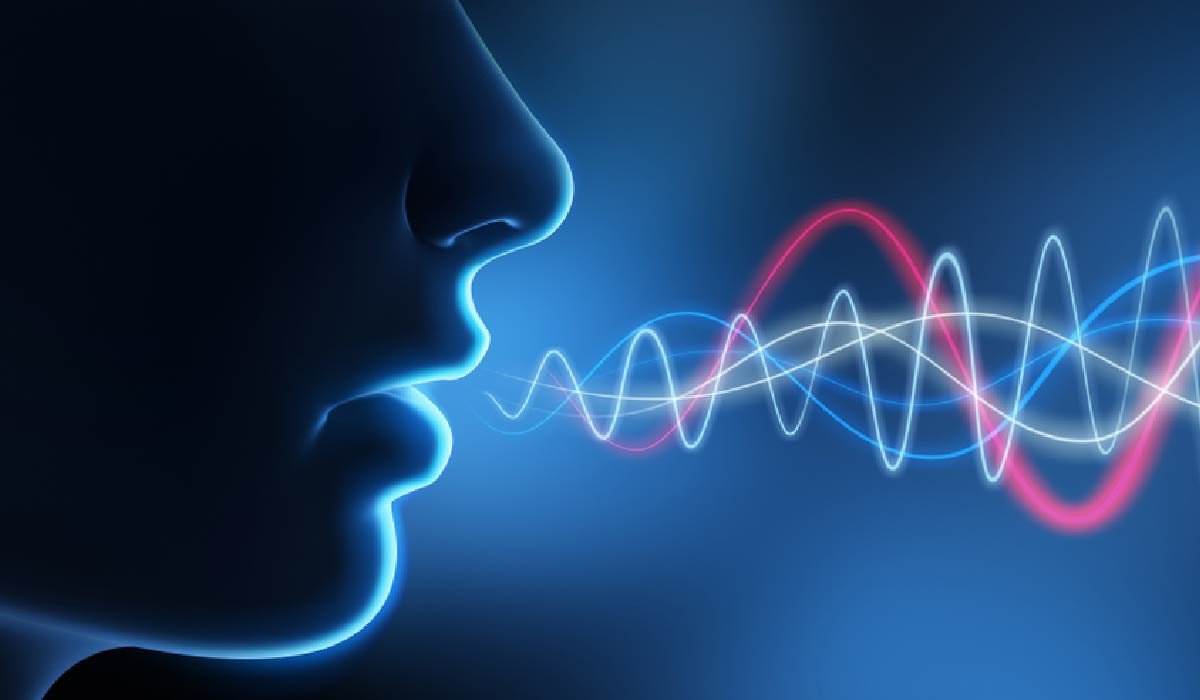
The rise of the Vocal AI technology that has the power to recreate voices with a large degree of accuracy evokes numerous ethical and legal concerns as it becomes more powerful.
Copyright and consent to potential misinformation: We will discuss the valuable ethical concerns we must address as synthetic media becomes a ubiquitous part of the world.”
The Question of Consent: Voice Cloning and Digital Likeness
The first issue of concern from an ethical viewpoint brought about by Vocal AI is the idea of voice cloning. Some tools, with merely a few seconds of audio, can make a digital copy of an individual’s voice, which will be able to say anything. The situation raises important disputes:
* Who is the owner of your “voiceprint”?
* Is it possible to use it commercially without your agreement?
* What measures do we have in place to stop its utilization for the creation of fake deep audio intended for misinformation?
👉 Tip: It is a good practice to check the origins of surprising audio clips. As such, technology keeps expanding, listening critically will be a necessary ability.”
The Deepfake Dilemma: Misinformation and Malicious Use
The biggest danger of vocal AI goes beyond mere consent and lies in its capability of producing nice-sounding audio deepfakes. This innovation might be exploited for:
- Manipulation of public opinion through the creation of fake audio clips of politicians or celebrities.
- Fraud by impersonation, e.g. the voice of the impersonated person is used to approve a financial transaction.
- Participation in elaborate phishing schemes by acting as the voice of a trusted coworker or a family member.
👉 Pro tip: The emergence of “audio watermarking” and similar technologies for detection is vital for enabling platforms and users to distinguish between real and synthetic media.
The Challenge of Detection and Accountability
More convincing deepfakes are leading to a technological arms race in which detection tools fight against generation tools. However, even if there are detection methods that work effectively, the accountability issue persists. Is the person responsible, who made the vocals AI, if he or she used it to commit fraud or to defame somebody?
* Is it the creator of the audio?
* The platform that put it out?
* The company that developed the AI tool?
One of the most urgent issues confronting legislators nowadays is the establishment of a clear legal and regulatory framework that will help to deal with these questions.
Corporate Responsibility and Data Stewardship
The morality of Vocal AI does not only concern the user but also imposes a gigantic responsibility on the companies developing the technology. These companies are not only providing services but also safeguarding the highly confidential biometric data.
The AI company that is ethical should show:
- Transparency: Indicating clearly how user data is stored, used for training, and protected.
- Security: Employing very reliable and advanced security measures to stop data leakages.
- User Control: Granting users the unambiguous right to oversee and remove their data.
The Asymmetry of Creation vs. Detection
The fundamental limitation of the ethical dilemma is the disparity between production and discovery. It is usually the case that the bad actors find it easier and quicker to create a new kind of audio deepfake than the researchers to invent and put into use a trustworthy detector for the same. This leads to a never-ending “cat and mouse” scenario where the protectors are consistently one move behind, thus indicating that technology alone might not be able to fully cope with the issue of misappropriation.
Conclusion
Vocal AI ethics is very challenging to deal with; it is like a scale that weighs the creativity of the people against the abuse of technology that is not regulated. A reunified corporate responsibility, unambiguous laws that guard our virtual persona, and a discerning, knowledgeable public make up the triple support system on which the future of synthetic media rests.