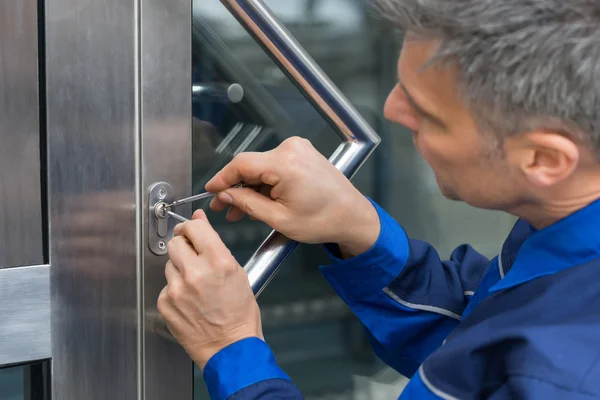
Windows are often seen as the eyes of a home — letting in light, fresh air, and a sense of space. But they’re also one of the most common entry points for burglars, which is why the locks fitted to them play such a vital role in home security. When window locks fail, jam, or simply stop functioning as they should, it doesn’t just cause frustration — it can compromise your safety.
For locksmiths, window lock repairs are a regular part of the job. From worn-out mechanisms and key issues to alignment problems caused by weather or age, there’s a surprisingly wide range of faults that can affect a window’s locking system. Understanding what goes wrong — and why — helps homeowners appreciate the importance of proper maintenance and timely repairs.
The Wear and Tear of Everyday Use
One of the most common reasons locksmiths are called out for window lock repairs is simple wear and tear. Locks are mechanical devices, and like any other mechanism, they degrade over time. Springs weaken, levers bend slightly, and internal components start to lose their smooth motion.
uPVC window locks in particular are prone to this as they rely on multi-point locking mechanisms with moving parts that need to operate in perfect alignment. After years of use, or exposure to the elements, the mechanism can start to stiffen or seize. A locksmith will often find that the issue is not with the cylinder or key itself but with the internal gearbox that drives the locking points.
Metal fatigue is another factor. In older properties, especially those with aluminium or wooden frames, locks can rust internally or become stiff due to years of moisture exposure. Even with regular use, the combination of humidity and fluctuating temperatures gradually takes its toll.
Stiff or Jammed Window Locks
A stiff or jammed lock is one of the most frustrating issues homeowners face — and one of the most frequent calls locksmiths receive. Often, the problem begins subtly, with the key feeling slightly tight or the handle needing a little more effort to turn. Left unresolved, it can reach the point where the window refuses to open or close altogether.
Locksmiths know that stiffness can stem from several causes. Dirt or debris inside the locking mechanism can build up over time, especially in homes near busy roads or coastal areas where fine dust or salt can settle in the components. Misalignment between the sash and the frame can also cause the lock’s bolts to miss their receivers, making operation difficult.
In most cases, a professional cleaning, lubrication, and minor adjustment can restore smooth function. However, if the internal gearbox has seized completely, replacement is usually the best option.
Locksmiths often recommend regular lubrication with silicone-based spray to prevent stiffness from developing. Oil-based products can attract dust and grime, which makes the issue worse over time.
Broken or Snapped Keys in Window Locks
A snapped key is another issue that locksmiths encounter regularly. Window locks, particularly those found on older casement or uPVC frames, are smaller and more delicate than door locks. Over time, repeated use can weaken keys — especially if they’re made from softer metals.
A common cause is using too much force on a lock that’s already stiff or partially jammed. The pressure bends and eventually breaks the key, often leaving part of it stuck inside the cylinder. Locksmiths have the specialist tools required to extract the broken fragment without damaging the mechanism.
In many cases, they also find that the keyway is worn or that the internal pins have shifted slightly due to age, which can cause the key to stick or catch. Replacing the cylinder is often a simple and effective fix.
Locksmiths also encounter plenty of cases where the wrong key has been forced into the wrong lock — especially in homes where identical-looking keys are used for different windows. This can distort the pins inside the cylinder and cause long-term damage.
Faulty Espagnolette and Shootbolt Mechanisms
Modern uPVC and aluminium windows often use espagnolette or shootbolt locking systems, which secure the window at multiple points when the handle is turned. These systems are designed for security and efficiency, but they rely on precise movement of interconnected parts.
Local locksmiths frequently deal with espagnolette mechanisms where the internal gearbox has failed. This is the central component that converts the motion of the handle into the movement of the locking points. When it fails, the handle may spin freely or refuse to move at all.
Shootbolts — the sliding bolts that extend into the frame when locked — can also become stuck. This often happens if the frame has warped slightly, causing the bolts to meet resistance. Over time, this can cause the mechanism to bend or the locking points to fall out of alignment.
Repairing or replacing these systems usually involves carefully removing the sash, opening the casing, and refitting a new central drive unit or adjusting the strike plates. A locksmith familiar with these mechanisms can typically identify the problem quickly and carry out the repair without the need for a full window replacement.
Misaligned Frames and Locking Points
Misalignment is one of the most common underlying causes of window lock issues. When a window doesn’t sit correctly in its frame, even a well-functioning lock will struggle to engage properly. Locksmiths see this problem frequently, particularly after seasonal changes when materials expand and contract with the weather.
uPVC windows can shift slightly as temperatures fluctuate, while timber frames naturally swell in damp conditions and shrink as they dry out. Over time, this movement causes the locking points to sit slightly off-centre from their receivers.
The result is a lock that feels stiff, or a handle that won’t turn fully to the locked position. In more severe cases, the window may not close flush with the frame, allowing draughts or water to enter. Locksmiths typically realign the window by adjusting the hinges and strike plates, ensuring that the locking points engage smoothly once again.
For newer installations, small adjustments can be made to the mechanism itself. On older windows, it might be necessary to replace worn hinges or reposition parts of the frame.
Condensation and Corrosion Inside the Lock
Moisture is a silent enemy of window locks. Locksmiths often find that corrosion inside the mechanism is the root cause of a lock failure, particularly in coastal regions or homes with poor ventilation. Condensation that collects inside the frame can drip into the locking unit, leading to rust, stiff operation, or complete seizure.
Even stainless steel components can corrode over time if water exposure is consistent. Locksmiths typically dismantle and clean the lock, removing rust and applying a protective lubricant to restore movement. However, in cases where the corrosion has gone too far, replacement is the only solution.
Condensation issues often point to a wider problem with the window’s seal or drainage system. Once a locksmith has repaired the lock, they may recommend further inspection by a window specialist to prevent the issue recurring.
Handle and Key Mechanism Failures
A common issue that homeowners often mistake for a lock problem is actually a faulty handle. The internal spindle that connects the handle to the lock mechanism can wear down or snap, making it impossible to turn the handle properly.
Locksmiths can usually replace handles quickly, but they also check the underlying mechanism to ensure it hasn’t been damaged by the increased strain. In older windows, the handle fixings can loosen over time, causing the movement to feel spongy or unresponsive.
Similarly, key-operated window locks can develop faults in the barrel itself, especially if they’ve been exposed to moisture or used infrequently. The pins can seize, making the key difficult to insert or turn. A locksmith can either re-pin the lock or replace the barrel entirely, restoring smooth operation.
Lockouts and Seized Mechanisms
Lockouts aren’t just a problem for doors — locksmiths are often called to homes where a window has become stuck shut or open due to a seized mechanism. In many cases, the internal parts have jammed due to age or lack of lubrication. Attempting to force the handle can cause further damage, bending the components or snapping the gearbox.
Professional locksmiths use specialist tools to release jammed windows without breaking the glass or damaging the frame. Once open, they can dismantle and repair the lock before realigning the system. For homeowners, it’s always best to call an expert rather than trying to force a stiff window, as this often leads to more costly repairs.
Security Concerns and Outdated Locks
Another common issue locksmiths encounter isn’t necessarily a fault but a matter of outdated or insecure locks. Many older windows, particularly those installed before modern security standards were introduced, feature basic locking mechanisms that are easy to bypass.
Locksmiths frequently upgrade these systems to more secure options such as key-locking handles or multi-point mechanisms that meet current insurance requirements. In doing so, they often discover hidden issues such as worn fixings, damaged keeps, or frames that no longer hold the locking points correctly.
For homeowners, upgrading window locks is one of the most effective ways to improve overall home security, often at a fraction of the cost of full window replacement.
The Value of Professional Expertise
While some window lock issues may seem minor, the mechanisms involved are often more complex than they appear. A professional locksmith not only has the tools but also the experience to diagnose problems accurately. They can distinguish between a faulty cylinder, a seized gearbox, and a simple misalignment — saving time and unnecessary expense.
Locksmiths also understand the importance of balance between functionality and security. Their work ensures that windows remain easy to operate while still providing the level of protection homeowners expect. They often carry a range of replacement parts and can complete most repairs in a single visit, minimising disruption.
For locksmiths, the most common challenge isn’t just repairing the immediate problem but ensuring that the same issue doesn’t reoccur. That means checking hinges, seals, and drainage, and ensuring that every element of the window’s operation is in harmony.
Keeping Windows Secure and Functional
From stiff mechanisms and broken keys to misaligned frames and corroded components, window lock issues come in many forms — and locksmiths have seen them all. What matters most is dealing with the problem promptly. A window that doesn’t lock properly isn’t just inconvenient; it leaves your home vulnerable to intruders and weather damage.
Regular maintenance and occasional lubrication can go a long way towards preventing these issues. When problems do arise, calling a professional locksmith ensures that repairs are carried out safely and effectively, preserving both the security and the usability of your windows.
Windows are meant to bring light and comfort into your home — not stress. By keeping their locks in good working order, you can enjoy peace of mind knowing that your property remains both secure and easy to live with, no matter how old or busy it becomes.