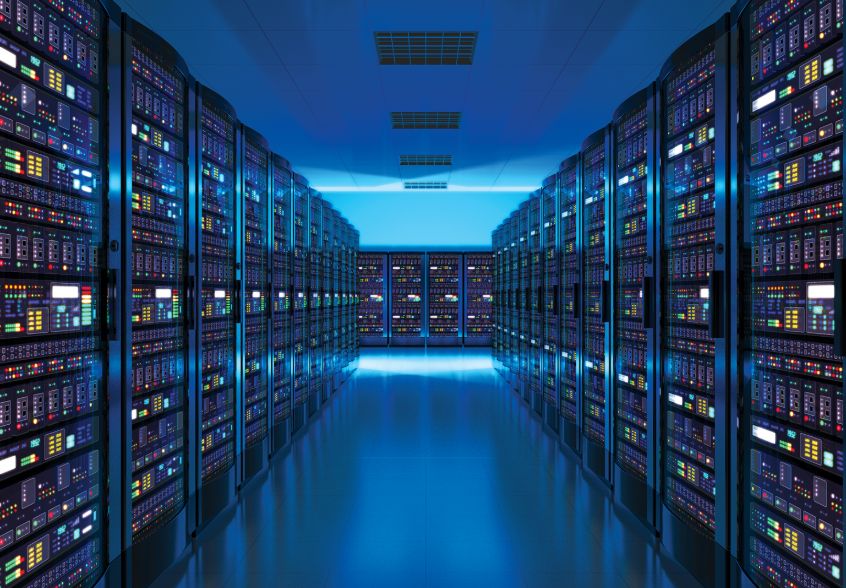
Every data center, no matter its size, shares one constant challenge — managing heat. Servers, switches, and other IT equipment generate significant amounts of heat during operation, and without proper temperature control, performance can drop and hardware can fail. That’s where the crac unit becomes essential. Designed to regulate temperature and humidity, these systems are the unsung heroes that keep critical IT environments running efficiently and reliably around the clock.
Understanding the CRAC Unit
A crac unit, short for Computer Room Air Conditioning unit, is a precision cooling system built specifically for data centers, server rooms, and other mission-critical facilities. Unlike standard air conditioners, which are designed for comfort cooling, CRAC systems maintain the consistent environmental conditions that sensitive electronics require. They regulate temperature, humidity, and airflow to ensure optimal performance and prevent overheating or condensation-related issues.
The typical setup involves drawing warm air from the room, cooling it through an internal refrigeration cycle, and then redistributing the cooled air back into the environment. This continuous cycle ensures that all components remain within a safe temperature range — a vital factor for maintaining uptime and extending the life of expensive IT hardware.
Why Temperature Control Is Crucial
Data centers are power-hungry environments. The energy used to run servers, storage systems, and networking devices generates a tremendous amount of heat. If not properly managed, that heat can lead to equipment malfunctions, reduced processing speed, and even catastrophic failure.
Maintaining consistent cooling is not just about comfort — it’s about survival for your infrastructure. Even a slight increase in temperature can cause components to throttle performance or shut down to prevent damage. CRAC systems prevent these issues by ensuring stable and uniform cooling, no matter how intense the workload becomes.
How CRAC Systems Differ from Traditional Cooling
Traditional air conditioning systems are designed for human comfort, typically operating within a narrow temperature range and without accounting for constant, high-density heat loads. CRAC systems, on the other hand, are built for precision. They use sensors to monitor environmental conditions and adjust automatically to changes in server output or workload demand.
These systems are also designed for 24/7 operation, with components engineered for durability and reliability. They can manage high airflow, maintain humidity within strict parameters, and direct cool air exactly where it’s needed — typically through raised floors or contained aisles. This targeted approach reduces waste, improves efficiency, and ensures even distribution of temperature throughout the space.
The Benefits of Efficient Cooling
Investing in effective cooling technology brings a wide range of benefits beyond simply keeping equipment cool.
- Improved Equipment Longevity: Consistent cooling prevents overheating, which can degrade components over time. Extending hardware lifespan means fewer replacements and lower long-term costs.
- Enhanced Performance: Electronics perform best within a stable temperature range. With optimal cooling, servers and storage systems can operate at peak efficiency without throttling or errors.
- Reduced Downtime: Unplanned outages are costly. CRAC systems help prevent failures caused by thermal overload, protecting both data and operations.
- Energy Efficiency: Modern CRAC units are designed with advanced controls and variable-speed fans that optimize power consumption. By matching cooling output to actual demand, they minimize energy waste.
- Lower Maintenance Costs: Because these systems prevent excessive wear on equipment, organizations spend less on emergency repairs and maintenance.
The Role of Airflow Management
Cooling performance depends heavily on how air moves through the data center. Poor airflow management can lead to hot spots, uneven cooling, and wasted energy. Many facilities use raised floor systems or aisle containment strategies to direct air efficiently.
In a typical setup, cold air is delivered through perforated floor tiles in front of server racks, while warm exhaust air is collected and returned to the CRAC unit for re-cooling. This closed-loop design ensures consistent temperature across the space and eliminates inefficiencies caused by air mixing.
Regular inspections of vents, filters, and pathways are essential to maintain performance. Obstructions, such as cabling or improperly placed equipment, can disrupt airflow and reduce cooling effectiveness.
Energy Efficiency and Sustainability
As environmental responsibility becomes increasingly important, data centers are under pressure to reduce energy consumption. Cooling systems account for a significant portion of a facility’s power use sometimes up to 40% of total energy costs. Modern CRAC technology addresses this challenge through intelligent design.
Variable-speed fans, digital controls, and energy-efficient compressors allow these systems to adjust output dynamically. By delivering only as much cooling as necessary, they significantly lower electricity usage without compromising reliability.
Some facilities pair CRAC systems with free cooling methods, such as using outside air or chilled water during cooler months. This hybrid approach reduces dependency on mechanical refrigeration and further cuts energy costs.
Integrating CRAC Systems with Smart Management
The latest generation of cooling systems integrates seamlessly with data center management software. Real-time monitoring and analytics provide valuable insights into temperature trends, airflow efficiency, and power usage. Facility managers can access this data remotely, allowing them to fine-tune operations and address potential issues before they escalate.
This integration also supports predictive maintenance — the ability to anticipate when components need servicing based on performance data. By addressing issues proactively, organizations can prevent downtime and keep cooling systems running at peak efficiency.
Planning for Scalability
As businesses grow, their data demands expand too. A scalable cooling infrastructure ensures that as new servers or equipment are added, the environment remains stable. CRAC systems are available in various capacities, allowing facilities to scale up cooling power as needed without overhauling the entire system.
Modular configurations make it easy to expand or upgrade units as technology advances. This flexibility supports long-term growth and helps future-proof your investment.
The Heart of Reliable Data Center Operations
Behind every efficient data center is a reliable cooling strategy — and at the heart of that strategy is the CRAC system. By maintaining the ideal balance of temperature, humidity, and airflow, these systems ensure that critical IT infrastructure operates safely, efficiently, and continuously.
As technology continues to evolve, so too will cooling solutions. Modern designs are smarter, more energy-efficient, and easier to manage than ever before. By investing in advanced cooling technology, businesses not only protect their equipment but also improve performance, reduce costs, and contribute to a more sustainable future.
The crac unit might operate quietly in the background, but its impact on uptime, efficiency, and reliability is impossible to overstate. It’s the silent force that keeps the digital world cool, connected, and always running at its best.