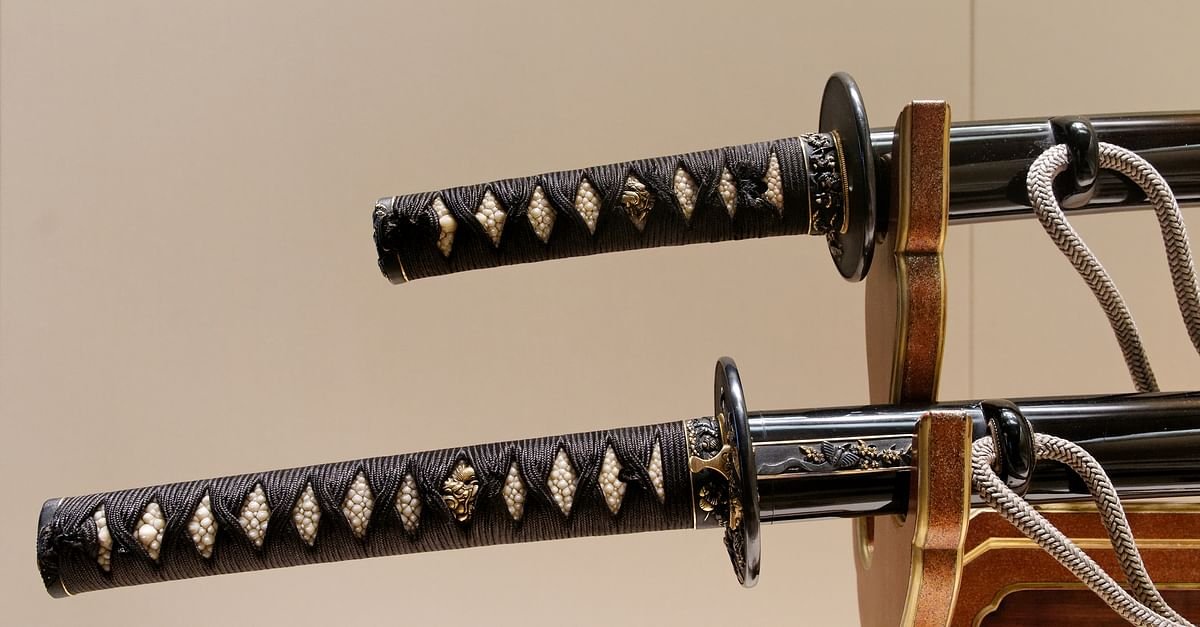
Samurai swords are among the most iconic weapons in history, representing not only martial skill but also honor, discipline, and refined craftsmanship. Forged in Japan over centuries, these blades were more than tools of war—they were spiritual symbols of the samurai class. While the katana is the most famous samurai sword, understanding it alongside other renowned blades such as the Saber sword and the Damascus sword helps place Japanese sword-making within a broader global context.
The katana, the primary samurai sword, is instantly recognizable by its curved, single-edged blade and long grip designed for two-handed use. Traditionally forged using folded high-carbon steel (tamahagane), the katana balances sharpness with flexibility. Its distinctive hamon (temper line) is not only visually striking but also evidence of advanced heat-treatment techniques. Samurai believed the katana held the soul of its owner, and its care and use were governed by strict ethical codes.
Alongside the katana, other Japanese swords such as the wakizashi and tanto formed a complete weapon system for the samurai. Each blade had a specific role, reflecting the Japanese philosophy that a weapon should suit both the battlefield and daily life.
In contrast, the Saber sword originated primarily in Europe and the Middle East and later became widely associated with cavalry warfare. Unlike the katana, the saber typically features a slightly curved blade optimized for slashing from horseback. While not a traditional samurai weapon, the saber demonstrates how different cultures independently developed curved blades to meet similar combat needs. Comparing the saber to the katana highlights differences in balance, grip design, and combat philosophy—mobility and speed for cavalry versus precision and discipline for samurai combat.
Equally legendary is the Damascus sword, famed for its wavy, flowing surface patterns and exceptional strength. Originating in the Middle East, Damascus steel blades were prized for their ability to hold a sharp edge while resisting breakage. The unique patterns were the result of advanced metallurgical techniques that were far ahead of their time. Although Damascus swords were not used by samurai, Japanese swordsmiths achieved comparable results through folding and differential hardening, proving that different cultures reached excellence through different methods.
Today, samurai swords continue to captivate collectors, martial artists, and historians worldwide. Modern craftsmen often combine traditional Japanese techniques with influences inspired by saber and Damascus designs, creating blades that honor multiple sword-making traditions.
Whether admired as historical artifacts, functional weapons, or works of art, samurai swords stand at the crossroads of culture, craftsmanship, and legend. By understanding them alongside iconic blades like the saber sword and Damascus sword, we gain a deeper appreciation for humanity’s shared pursuit of the perfect blade.