

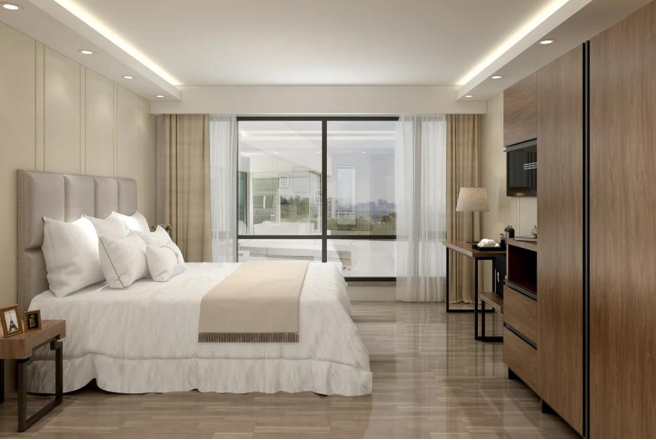
There’s something incredibly refreshing about walking into a hotel room and being greeted by clean lines, uncluttered surfaces, and a sense of calm. I’ve spent the last 15 years designing hotel interiors across three continents, and I’ve watched minimalism evolve from a niche design approach to a mainstream expectation for many hotel brands. But here’s the thing—minimalism isn’t just about having less stuff. It’s about being intentional with every single piece you include.
Understanding Minimalist Hotel Design Philosophy
Before we jump into specific furniture recommendations, let’s talk about what we’re actually trying to achieve. Minimalist hotel rooms aim to create:
- A sense of spaciousness (even in compact rooms)
- Visual tranquility for guests
- Functionality without excess
- A focus on quality over quantity
- Subtle luxury through materials and craftsmanship
I once worked on a boutique hotel in Singapore where the owner insisted on cramming every possible amenity into a 24-square-meter room. The result? Guests felt claustrophobic and stressed. We stripped everything back to essentials, focusing on a few perfect pieces, and guest satisfaction scores jumped 30% in two months. Sometimes less really is more.
The Perfect Bed: The Centerpiece of Minimalist Design
In a minimalist hotel room, the bed isn’t just a place to sleep—it’s often the central design element. What works best:
- Platform beds: Low-profile platform beds create a modern, grounded feel. They visually take up less space while providing the same function.
- Integrated headboards: Look for beds with simple, upholstered headboards in neutral tones. Avoid ornate carvings or excessive detailing.
- Hidden storage: Some of the best designs incorporate drawers underneath, eliminating the need for additional storage furniture.
Material-wise, natural woods in light to medium tones work beautifully. Oak, ash, and walnut are perennial favorites. For budget-conscious projects, engineered wood with quality veneers can provide a similar aesthetic at a more accessible price point.
Strategic Storage Solutions
You know what hotel guests hate? Not having anywhere to put their stuff. But traditional dressers and wardrobes can quickly overwhelm a minimalist space. The solution? Strategic, thoughtfully designed storage that disappears into the architecture.
Built-in wardrobes are game-changers in minimalist hotel rooms. Companies like OPPEIN have really cornered this market with their sleek, handleless designs that can be customized to exact specifications. Their wall-to-wall solutions with push-to-open mechanisms create that seamless look that’s so essential to minimalist design.
For properties with tighter budgets, consider:
- Wall-mounted floating shelves (just a few, not an entire wall)
- Under-bed drawers on wheels
- Minimalist luggage racks that double as benches
The key is to think about the guest journey—what do they need to unpack, and when? Design your storage around actual behavior, not theoretical ideals.
Seating: Necessary Comfort
Even the most streamlined hotel room needs somewhere to sit besides the bed. The minimalist approach calls for:
- Multifunctional pieces: A desk chair that can pivot to become occasional seating
- Clean-lined accent chairs: Think Scandinavian-inspired designs with subtly curved backs for comfort
- Bench seating: Especially effective at the foot of beds or under windows
I find that one exceptional chair is better than two mediocre ones. Invest in something with beautiful proportions and genuine comfort. After all, minimalism should never sacrifice function for form.
Desks and Work Surfaces
The pandemic changed everything about how guests use hotel rooms. The workstation is no longer optional—it’s essential. For minimalist designs:
- Wall-mounted desks: These create a floating effect and eliminate bulky legs
- Extending surfaces: Desks that can expand when needed, then shrink back when not in use
- Integrated technology: Cable management solutions and built-in charging are non-negotiable
Materiality matters enormously here. Thin-profile surfaces in matte finishes resist fingerprints and create that clean, contemporary look we’re after.
Lighting: The Unsung Hero
Lighting can make or break a minimalist room. Forget the standard hotel setup of two bedside lamps and a floor lamp. Instead, think:
- Architectural lighting: Recessed ceiling fixtures and LED strips that highlight architectural features
- Minimal fixtures: Wall-mounted reading lights that adjust and swivel
- Statement pieces: One sculptural pendant or floor lamp as an artistic element
The best minimalist spaces use lighting to create atmosphere while keeping the actual fixtures as unobtrusive as possible. Dimmers are essential—they allow guests to create exactly the mood they want.
The Details That Matter
Sometimes it’s the smallest elements that have the biggest impact in minimalist design:
- Hardware: Opt for integrated handles or push-to-open mechanisms whenever possible
- Color palette: Stick to 3-4 colors maximum, focusing on neutrals with perhaps one accent
- Textiles: Choose high-quality, natural fabrics with interesting textures rather than patterns
- Mirrors: Strategically placed to amplify light and space
- Art: One perfect piece is better than a gallery wall
By the way, many hotel furniture manufacturers in China have gotten incredibly sophisticated with these details in recent years. They’ve moved well beyond knock-offs into innovative, high-quality design that rivals European manufacturers at a fraction of the cost. Several of my recent projects have sourced entirely from these manufacturers, with custom modifications that perfectly suited our minimalist vision.
The Minimalist Bathroom
While not strictly furniture, bathroom fixtures are integral to the overall design. For truly minimalist hotel bathrooms:
- Wall-hung toilets and vanities: Creating visual space underneath changes the entire feel
- Integrated storage: Think niches rather than cabinets
- Frameless glass: For shower enclosures, eliminating visual clutter
- Linear drains: These allow for single-slope shower floors with large-format tile (much cleaner look)
The floating vanity, in particular, has become something of a minimalist hotel standard, and for good reason—it’s practical, easy to clean around, and visually lightweight.
Material Selection: Quality Over Quantity
In FF&E (furniture, fixtures, and equipment—a term we use constantly in hospitality design), material selection becomes even more critical when you’re working with fewer pieces. Focus on:
- Authentic materials that age beautifully
- Performance fabrics that can withstand commercial cleaning
- Consistent finishes throughout the room
- Tactile surfaces that invite touch
The most successful minimalist hotel rooms tell a cohesive material story—perhaps it’s all about the warmth of wood, or the subtle interplay between textured and smooth surfaces.
Final Thoughts: Minimalism That Welcomes
The biggest mistake I see in minimalist hotel design? Rooms that feel cold and unwelcoming. The best spaces strip away excess while still creating an emotional connection with guests. This isn’t about creating a monastic cell—it’s about thoughtful reduction to what truly matters.
Remember that minimalism is a means to an end: creating spaces that feel calming, intentional, and quietly luxurious. When every piece of furniture earns its place through both beauty and function, you’ve achieved the minimalist ideal that today’s hotel guests increasingly crave.