Why Does Your Home Never Feel Comfortable Despite a Working HVAC System?

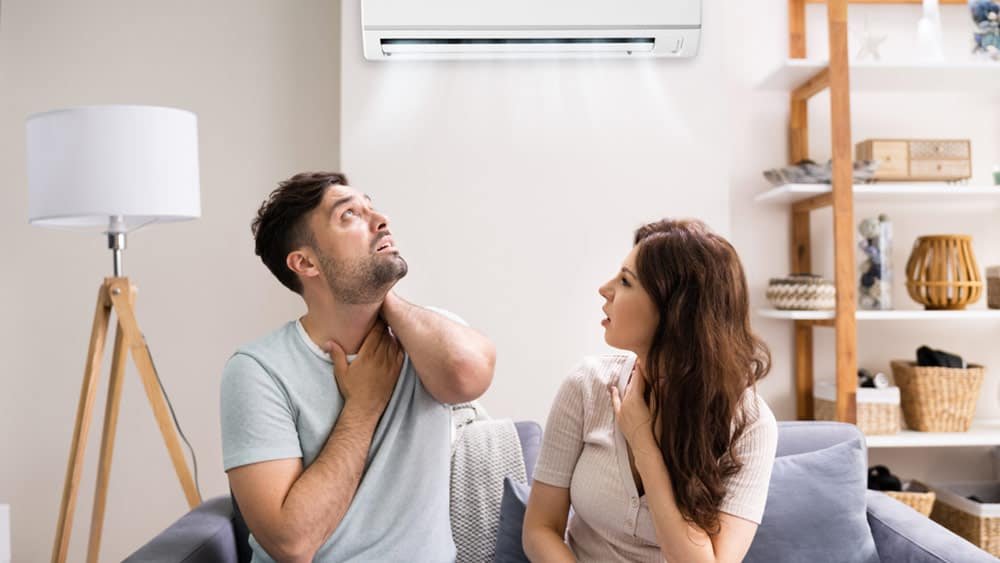
Do you ever find yourself adjusting the thermostat, only to discover that your home still doesn’t feel comfortable? Maybe it’s too hot, too cold, or the air just feels stuffy, even though your HVAC system is running as expected.
If you’ve ever faced this issue, you’re not alone. Many homeowners struggle with comfort issues even when their HVAC system is seemingly working fine. The problem could be due to a number of hidden factors that are preventing your system from performing at its best.
In this blog, we’ll dive into the most common reasons why your home might not feel as comfortable as it should, even though your HVAC system is functioning properly. One of the main culprits could be something you’d never expect: mold in your air ducts.
Let’s see why your HVAC system might not be providing the comfort you need and what you can do about it.
1. Poor Air Quality from Mold in Air Ducts
One of the most common but often overlooked causes of discomfort in homes is mold growth in your HVAC air ducts. Mold thrives in moist environments, and air ducts can become the perfect breeding ground if they’re not maintained properly.
How does this affect comfort? Mold can reduce the efficiency of your HVAC system, causing airflow problems and making it harder for your system to keep the air cool or warm as needed. Worse, mold spores circulating in your home can cause respiratory issues, headaches, and allergies, making the environment uncomfortable to live in.
If you are noticing some common signs of mold growth inside air ducts, it’s crucial to get them inspected and cleaned regularly. A professional HVAC technician can perform a thorough cleaning and ensure that mold isn’t affecting your system or your health.
2. Clogged Air Filters and Reduced Airflow
One of the most basic yet critical components of your HVAC system is the air filter. If your air filter becomes clogged with dust, dirt, and debris, it restricts the airflow throughout the system. This can result in uneven heating or cooling and reduce the overall efficiency of your HVAC system.
A clogged air filter forces your system to work harder to circulate air, leading to longer cycle times and uneven temperatures in your home. If you notice hot or cold spots in certain rooms or areas, it’s time to check your filters. A quick change of the filter can make a huge difference in airflow and comfort.
3. Thermostat Issues: Miscalibrated or Outdated Settings
Sometimes, the issue isn’t with the HVAC system itself but with the thermostat. A miscalibrated or malfunctioning thermostat can send incorrect signals to your HVAC unit, leading to inconsistent temperatures. If your thermostat isn’t reading temperatures correctly, it may be causing the system to run longer or shorter than necessary, leading to discomfort.
Consider upgrading your thermostat to a smart or programmable model that can adjust the temperature based on your daily routines. This can help keep your home at the ideal temperature without wasting energy.
4. Leaky Ducts: Energy Loss and Temperature Imbalance
Even if your HVAC system is working properly, leaky ducts can prevent the system from delivering the airflow where it’s needed most. Leaks in the ducts allow air to escape, leading to temperature imbalances throughout the home.
If your system is pushing conditioned air into the attic, crawl spaces, or behind walls, it will not reach the rooms in your house as efficiently. You’ll end up with rooms that are too hot or too cold while others feel just right. Having your ducts sealed or repaired can help restore comfort and save energy.
5. Inadequate Insulation
Your HVAC system can only do so much if the rest of your home isn’t properly insulated. Insulation plays a major role in maintaining a comfortable indoor temperature. Poor insulation in walls, attics, or floors can cause heated or cooled air to escape, making it harder for your HVAC system to maintain your desired temperature.
If your home is poorly insulated, consider adding insulation to key areas like the attic or basement. This can help keep your home comfortable year-round and reduce the load on your HVAC system.
6. High Humidity Levels
High humidity can make your home feel sticky, uncomfortable, and downright unpleasant, no matter what the temperature is set to. If your HVAC system doesn’t have a built-in dehumidifier or if it’s not functioning properly, you may experience excessive moisture in the air, especially in the summer months.
In New Jersey, where humidity can be high, a dehumidifier can help maintain comfort by removing excess moisture from the air. If you find that your home feels sticky or musty, it may be time to consider investing in a separate dehumidifier or getting your HVAC system serviced to ensure it can handle humidity properly.
7. Old or Outdated HVAC System
As HVAC systems age, they can lose efficiency, making it harder to maintain the same level of comfort. An older system might not be able to reach the desired temperatures or may not be able to do so quickly enough, leading to discomfort.
If your system is more than 10-15 years old, it may be time to consider an upgrade. Newer models are designed to be more energy-efficient and offer better climate control, which can make your home more comfortable.
8. Improperly Sized HVAC System
Finally, your HVAC system might not be the right size for your home. If the system is too small, it will struggle to heat or cool your space effectively. On the other hand, if the system is too large, it might cycle on and off too frequently, leading to temperature fluctuations and inefficient energy use.
An HVAC professional can assess the size of your home and recommend a system that is appropriately sized for your needs.
Final Thoughts
If your home still doesn’t feel comfortable despite a working HVAC system, it could be due to any of these hidden issues. The key to fixing these problems is regular maintenance and timely repairs. Scheduling routine HVAC inspections, cleaning your air ducts, and addressing humidity levels will go a long way in improving your home’s comfort.