

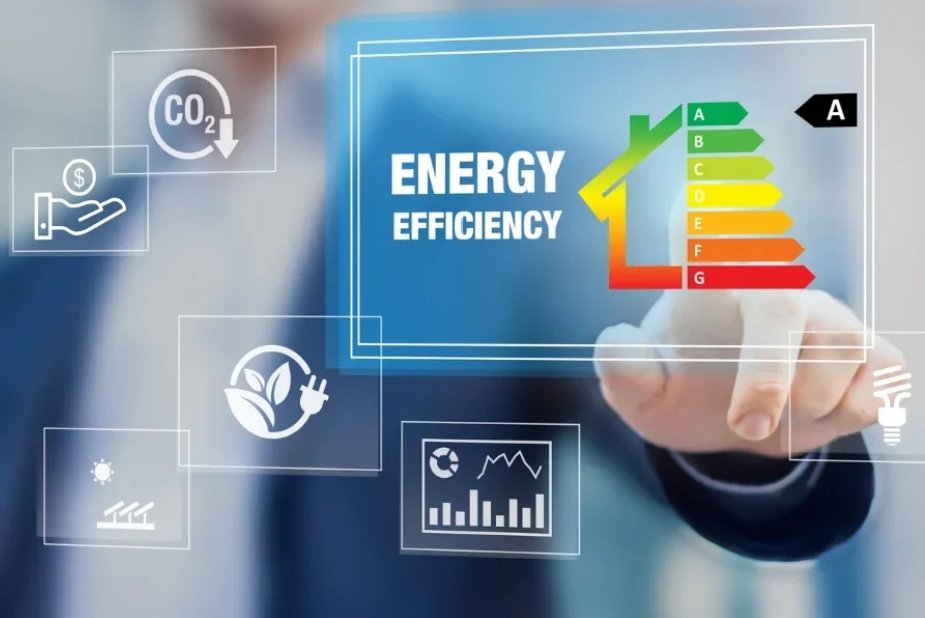
Energy efficiency has become an important issue for property owners across London. Rising energy costs, older building stock, and tighter regulations mean that even small mistakes can lead to higher bills and unnecessary energy waste. Many homes and commercial buildings in the capital were built long before modern efficiency standards existed, which makes careful management even more important. While most property owners want to reduce energy use, common misunderstandings often stand in the way.
This article explores the most frequent energy efficiency mistakes made by property owners in London and explains why they matter. By understanding these issues, it becomes easier to make informed decisions that suit the city’s climate, housing styles, and regulatory environment.
Assuming Older Buildings Cannot Be Energy Efficient
Overlooking the Potential of Traditional London Properties
A common mistake is believing that Victorian terraces, Edwardian houses, or older purpose-built flats cannot be improved. London has a high proportion of older buildings, and many owners assume that energy loss is unavoidable. In reality, while these properties may present challenges, they often have significant potential for improvement.
Solid walls, single-glazed windows, and ageing heating systems are common in older homes. When these elements are left unaddressed, heat loss increases and energy consumption rises. Many owners delay improvements because they think changes will be too disruptive or expensive, without exploring practical options suited to older structures.
Ignoring Insulation Gaps and Heat Loss
Underestimating the Impact of Poor Insulation
Insulation is one of the most important factors in energy efficiency, yet it is often misunderstood. Some property owners believe that loft insulation alone is enough, while others assume insulation is only relevant for new builds. In London, heat loss frequently occurs through walls, floors, and roofs that are poorly insulated or not insulated at all.
Gaps around windows, doors, and roof spaces allow warm air to escape during colder months. This forces heating systems to work harder, increasing energy use. Ignoring these issues can significantly affect comfort and running costs, especially during London’s damp and chilly winters.
Relying on Outdated Heating Systems
Keeping Inefficient Boilers for Too Long
Another common mistake is continuing to use old or poorly maintained heating systems. Many London properties still rely on boilers that are well past their most efficient years. While these systems may still function, they often use far more energy than modern alternatives.
Older boilers can struggle to heat properties evenly, leading occupants to turn up thermostats unnecessarily. Regular servicing is sometimes overlooked, which further reduces efficiency. Over time, this leads to higher energy bills and increased carbon emissions.
Misunderstanding Energy Performance Certificates
Treating EPCs as a Formality Rather Than Guidance

Energy Performance Certificates are sometimes viewed as a simple legal requirement rather than a useful source of information. Some property owners obtain an assessment such as an EPC London service and then ignore the recommendations provided. This is a missed opportunity to understand where energy is being wasted and how improvements can be prioritised.
An EPC highlights areas such as insulation, heating efficiency, and glazing. When these insights are not taken seriously, owners may invest in less effective upgrades or fail to address the most significant issues affecting energy use.
Official guidance on Energy Performance Certificates and their role in property management is available on the UK government website, which explains how EPCs apply to different property types and why they matter. Further guidance on maintaining safe and compliant building environments, particularly where energy systems and ventilation are concerned, can also be found on the Health and Safety Executive website, which outlines responsibilities for property owners and managers across the UK.
Overheating Properties Instead of Managing Temperature
Using Heating Controls Ineffectively
Many property owners and occupants in London rely on manual heating habits rather than proper controls. Leaving heating on for long periods or setting thermostats too high is a common response to feeling cold. However, this approach often wastes energy without improving comfort.
Modern heating controls, including programmable thermostats and zone controls, allow better management of indoor temperatures. When these systems are poorly understood or not used correctly, their benefits are lost. In busy city households or rental properties, this mistake is particularly common.
Forgetting About Ventilation and Air Quality
Sealing Buildings Without Proper Airflow
In an effort to reduce drafts and heat loss, some owners seal properties too tightly. While reducing unwanted airflow is important, completely blocking ventilation can cause other problems. London properties already face issues with moisture due to the local climate, and poor ventilation can make this worse.
Trapped moisture can lead to condensation, mould growth, and poor indoor air quality. These issues may cause occupants to open windows during cold weather, which increases heat loss. Balanced ventilation is essential for maintaining efficiency without compromising health or comfort.
Neglecting Lighting Efficiency
Sticking With Inefficient Lighting Solutions
Lighting is often overlooked when considering energy efficiency. Some property owners continue to use older lighting systems that consume more electricity than necessary. In shared residential buildings and commercial spaces across London, inefficient lighting can add significantly to overall energy use.
Natural light is also underused in many properties. Heavy curtains, poorly planned layouts, or neglected window maintenance can reduce daylight, leading to greater reliance on artificial lighting even during daytime hours.
Delaying Maintenance and Small Repairs
Allowing Minor Issues to Become Major Problems
Small maintenance issues are easy to ignore, but they often have a direct impact on energy efficiency. A leaking pipe affecting heating pressure, a damaged window seal, or a blocked radiator can all reduce system performance. In London’s fast-paced environment, routine checks are sometimes postponed indefinitely.
Over time, these small problems increase energy consumption and reduce comfort. Addressing them early is usually simpler and less disruptive than dealing with larger failures later on.
Overlooking the Behaviour of Occupants
Ignoring How Properties Are Actually Used
Energy efficiency is not only about the building itself but also about how it is used. Property owners sometimes invest in upgrades without considering occupant behaviour. In rental properties, for example, tenants may not be familiar with heating controls or energy-saving features.
Without clear guidance, occupants may use systems inefficiently. This can undermine even well-planned improvements. In London’s diverse rental market, clear communication about energy use is especially important.
Learning From Common Mistakes
Understanding these common energy efficiency mistakes can help London property owners make better decisions. From recognising the potential of older buildings to using existing systems more effectively, small changes can make a meaningful difference over time. Energy efficiency is not about perfection but about informed choices that suit the property and its location.
For further reading on home improvement ideas that can enhance comfort and efficiency in your property, you may find this guide on timber casement windows and energy performance on Dotmagazine.co.uk helpful .