
Asbestos exposure isn’t just a thing of the past, it’s a real concern that homeowners and workers still face today. This naturally occurring mineral was everywhere in construction materials throughout the 20th century, valued for its impressive heat resistance and durability. But here’s the troubling part: when asbestos fibers break free and become airborne, they can wreak havoc on human health, leading to devastating conditions like mesothelioma, lung cancer, and asbestosis. Whether you’re planning to renovate that charming older home you just bought or you work in an industry where asbestos might be lurking, knowing how to protect yourself isn’t optional, it’s essential.
1. Identify Potential Asbestos-Containing Materials Before Disturbing Them
Before you grab that sledgehammer for your renovation project, take a step back if your building dates before the 1980s. There’s a good chance certain materials harbor asbestos fibers. We’re talking about ceiling tiles, floor tiles, pipe insulation, roofing shingles, cement siding, textured paints, and that vermiculite insulation sitting in your attic. Countless building materials manufactured before regulations kicked in were loaded with these hazardous fibers.
2. Hire Licensed Asbestos Professionals for Testing and Removal
Let’s be clear about something: DIY asbestos removal is a terrible idea that endangers you and everyone around you. Licensed asbestos abatement professionals aren’t just people with fancy certifications, they’re trained experts with specialized protective gear and containment systems designed to handle this dangerous work safely. These professionals religiously follow strict protocols set by the Environmental Protection Agency and Occupational Safety and Health Administration, ensuring fibers stay contained during removal. They deploy negative air pressure systems, wet removal techniques, and sealed containment zones that prevent contamination from spreading throughout your property.
When it comes to large-scale structural projects, such as replacing an asbestos roof, these experts are indispensable for managing the high risks of fiber release during the dismantling process. Proper disposal and a professional installation of modern, safe roofing materials will ultimately increase your property value and provide long-term peace of mind. – under “2. Hire Licensed Asbestos Professionals for Testing and Removal”,
3. Never Disturb Asbestos Materials in Good Condition
Here’s something that might surprise you: asbestos materials sitting quietly in good condition typically don’t pose immediate danger. The fibers are locked within the material itself, staying put where they belong. The real trouble starts when these materials get damaged, deteriorate, or someone disturbs them through cutting, sanding, drilling, or demolition work. Smart homeowners set up regular inspection schedules to keep tabs on known or suspected asbestos materials throughout their property. Watch for warning signs like wear patterns, water damage, physical impacts, or general deterioration that could release fibers. Sometimes the wisest move is leaving intact materials alone and just monitoring them regularly. When removal isn’t feasible right away, qualified professionals can apply encapsulation or enclosure methods for added protection. During building inspections, professionals who need to identify products containing asbestos in various building components must tread carefully to avoid disturbing potentially hazardous materials. Keeping clear documentation of where asbestos exists helps prevent accidental disturbance during routine maintenance or unexpected emergency repairs. Making sure everyone in your household or workplace knows about these locations and understands why they matter creates an extra layer of protection against inadvertent exposure.
4. Use Proper Personal Protective Equipment in High-Risk Environments
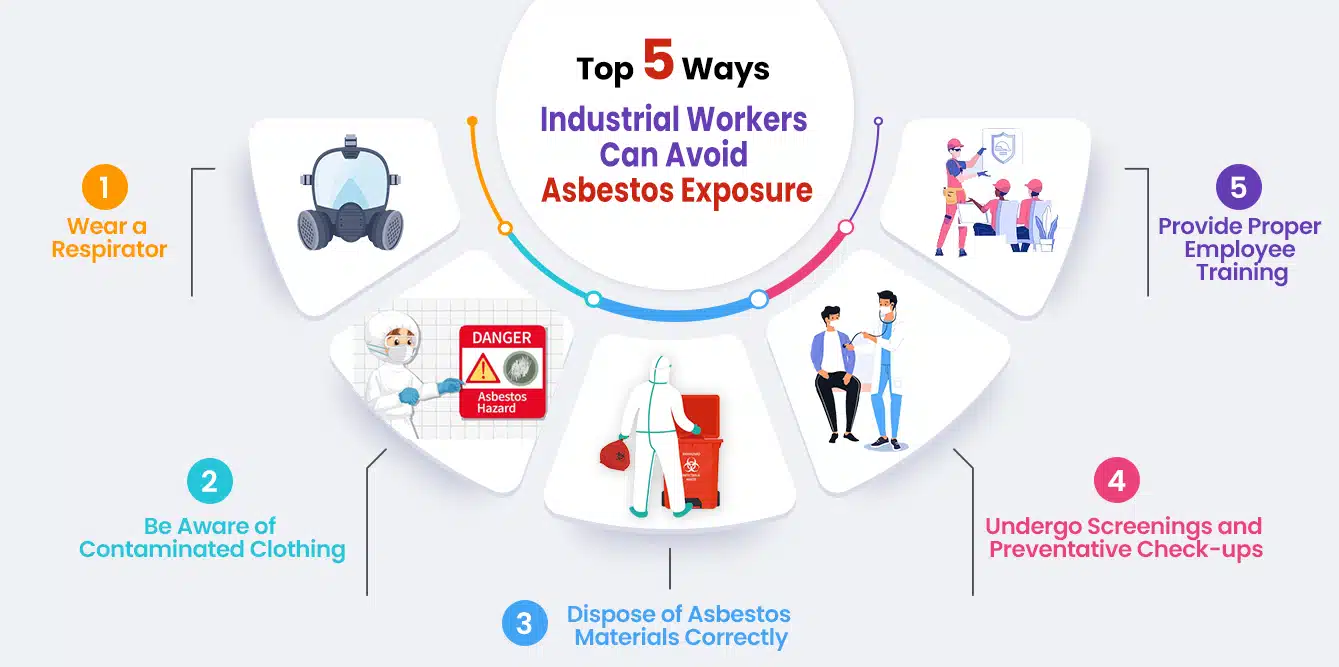
Construction workers, shipbuilders, automotive technicians, and industrial employees face considerably higher asbestos exposure risks, making proper protective equipment absolutely critical. Standard dust masks won’t cut it here; you need respirators fitted with HEPA filters that actually capture those microscopic asbestos fibers. Disposable coveralls serve as a crucial barrier, preventing fibers from hitching a ride on your regular clothes back to your family. Don’t forget safety goggles to shield your eyes from fiber contact and gloves to keep your hands contamination-free during work activities.
5. Seek Medical Monitoring and Documentation of Exposure History
If you’ve been exposed to asbestos, or even suspect you might have been, finding a physician who specializes in occupational and environmental medicine should be on your to-do list. Regular medical monitoring through chest X-rays, pulmonary function tests, and thorough physical exams can catch asbestos-related diseases early, when treatment options work best. Keeping meticulous records of your exposure circumstances, how long it lasted, and its intensity gives medical professionals valuable information and might be essential for legal or compensation claims down the road. Workers should grab copies of workplace exposure assessments, air monitoring results, and safety data sheets for materials they’ve handled.
Conclusion
Staying safe from asbestos exposure demands awareness, knowledge, and a healthy respect for the genuine dangers these fibers represent. Whether you’re maintaining an older home or working in a high-risk field, putting these five essential strategies into practice dramatically cuts your exposure risk and safeguards your long-term health. Don’t forget, asbestos-related diseases can take anywhere from 20 to 50 years to develop, which makes prevention and early detection absolutely vital. By identifying hazards before they become problems, bringing in qualified professionals when needed, leaving intact materials alone, wearing proper protective gear, and staying on top of medical monitoring, you take real control over your asbestos exposure risks.