
You hear the phrase weight-loss injections everywhere now. On podcasts. In half-whispered conversations at brunch. In the comments section under some influencer’s “totally not sponsored” reel. It’s almost boring. Almost.
But then you actually stop and look at what’s happening. Tiny needles. Small doses. People saying things like, “I just don’t think about food the same way anymore.” And that’s when it gets interesting. A little unsettling too, maybe. Because this isn’t a detox tea moment. This feels… different.
The first time I saw one of these pens in real life, I honestly thought it looked fake. Like a prop from a low-budget sci-fi show. Click. Dial. Inject. Done. That’s it? That’s the big wellness revolution everyone’s arguing about?
Well. Yes. And no. And also… maybe.
The Quiet Shift From Willpower to Biology
For years, weight wellness was framed as a personality test. Discipline versus laziness. Motivation versus excuses. You know the script. You’ve lived it.
These newer tools flip that narrative a bit. Instead of yelling at your cravings, they whisper to your hormones.
Most of today’s weight-loss injections are based on GLP-1 receptor agonists, compounds that mimic hormones your gut already produces. They slow digestion. Increase satiety. Quiet the constant food noise. Not eliminate it. Just… turn the volume down.
Dr. Daniel Drucker, one of the scientists who helped pioneer GLP-1 research, once said that these medications “address the biology of obesity, not the morality of it.” That line stuck with me. Hard. Because wow, imagine not moralizing every meal.
And yet. It’s not magic. It’s biology with side effects. And trade-offs. And context.
What These Tools Actually Feel Like (Not the Marketing Version)
Here’s the part people don’t describe well. The sensation.
You don’t wake up skinny. You don’t suddenly hate food. What happens—at least from what people tell me, and from what I’ve observed—is quieter.
You eat half your plate and feel… done. Not deprived. Not virtuous. Just finished. That late-night kitchen pull weakens. The constant internal negotiation softens. You still enjoy food, but it stops feeling like a battlefield.
A 2023 review in The New England Journal of Medicine noted that patients on GLP-1 therapies reported reduced appetite and improved metabolic markers, but also emphasized that “behavioral and lifestyle support remain essential.” Which feels right. You don’t outsource your entire relationship with food to a syringe. You collaborate.
Still, the shift can be emotional. Some people feel relief. Others feel weird grief. If it was this biological all along… What was I blaming myself for?
That question lingers.
A Quick Reality Check (Because This Isn’t a Miracle Cure)
Let’s slow down. A list might help.
Common Pros:
- Reduced appetite without constant restriction
- Improved blood sugar regulation
- Potential cardiovascular benefits (yes, that’s real)
- Mental relief from food obsession
Common Cons:
- Nausea (especially early on)
- Fatigue. Sometimes strange fatigue.
- Cost. Often high. Sometimes absurd.
- Long-term use questions (we’re still learning)
Dr. Fatima Cody Stanford from Harvard Medical School has been clear on this: “These medications are effective, but they are not cosmetic tools. They are chronic disease treatments.” That distinction matters. A lot.
And no, stopping suddenly doesn’t usually mean instant rebound—but many people do regain weight without a broader plan. Biology remembers.
The Needle Itself: Smaller Than the Conversation Around It
Can we talk about the needle for a second? Because the drama around it is disproportionate.
They’re tiny. Like, genuinely tiny. Most people say the injection stings less than a mosquito bite. The psychological hurdle is bigger than the physical one. You hesitate. You breathe. You think, Am I really doing this? Then it’s over.
Honestly, the emotional weight of the decision is heavier than the device.
I’ve heard people compare it to wearing glasses. Or using birth control. Or taking antidepressants. Tools. Support systems. Not shortcuts. Not failures.
Though critics love that word.
Research, Reality, and the Long View
A large-scale trial published in The Lancet found sustained weight reduction and metabolic improvements over 68 weeks with GLP-1 therapies, but also stressed the importance of medical supervision and individualized dosing. Translation: this isn’t something you copy from TikTok.
And it’s not for everyone. Some bodies reject it. Some minds don’t like the loss of appetite control. Some people just don’t want a long-term pharmaceutical relationship. Fair.
What’s interesting is how these tools are reshaping the entire wellness conversation. Less “summer body.” More “metabolic health.” Less punishment. More curiosity.
Though, yeah, capitalism is circling. Hard.
Pro Tip #1: Timing Matters More Than You Think
If someone starts injections during a chaotic life phase—travel, stress, sleep deprivation—the side effects feel worse. In my experience, people who ease in during calmer weeks tolerate it better. Bodies like predictability. Even rebellious ones.
Not Just About Weight (And That’s the Complicated Part)
Here’s where it gets nuanced. These injections don’t just change bodies. They change identities.
What happens when the thing you’ve struggled with forever… loosens its grip? Some people feel empowered. Others feel unmoored. One person told me, half-joking, “I didn’t realize how much of my personality was built around dieting.”
That hit.
There’s also access. Equity. Who gets these tools and who doesn’t. Insurance battles. Supply shortages. Ethical debates about off-label use.
Dr. JoAnn Manson of Brigham and Women’s Hospital cautioned in a recent symposium that while the public conversation is loud, “we must avoid oversimplifying both benefits and risks.” Which feels like a polite way of saying: everyone needs to calm down and think longer-term.
Pro Tip #2: Pair the Tool With Something Human
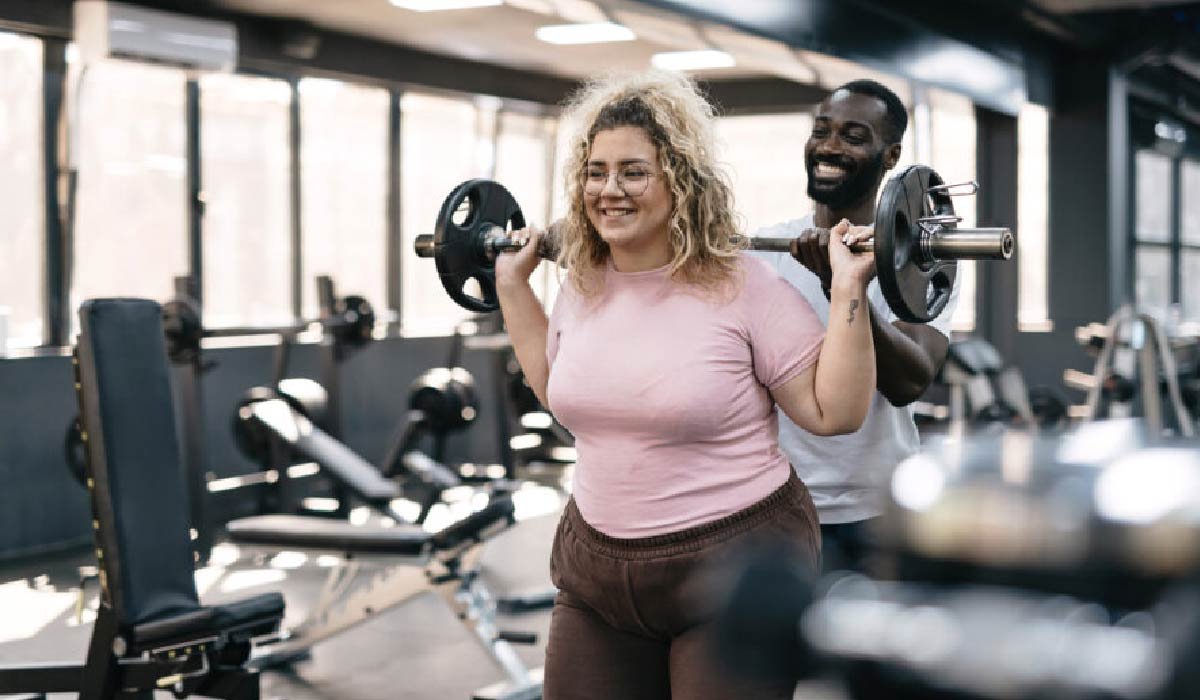
Nutrition counseling. Strength training. Therapy. Literally anything grounding. The injection quiets hunger, but it doesn’t teach you how to live in the silence. That part’s on you.
The Social Side Effects (Nobody Warns You About These)
People comment. They always do.
“You look great!”
“What are you doing differently?”
“Is it that shot thing?”
You decide how much to share. Some people overshare. Others say nothing. Both are fine. But the attention can feel… strange. Especially if your internal experience doesn’t match the external praise.
And yes, there’s judgment. From both sides. Too easy. Too medical. Too vain. Too extreme. Whatever. Wellness has always been weirdly moralized. This just exposes it.
So… Are Small Needles Really Making a Big Impact?
Probably. But not in the simplistic way headlines suggest.
They’re forcing a rethink. About weight. About blame. About biology versus behavior. About what “support” actually means. They’re not erasing effort. They’re redistributing it.
Instead of fighting hunger all day, maybe you fight for better sleep. Better movement. Better boundaries. That’s still work. Just different work.
And honestly? That feels more sustainable. More human.
Final Thoughts
If you’re curious, curious is enough. You don’t need certainty. You don’t need permission. You don’t need to decide today.
These tools aren’t miracles. They’re not monsters either. They sit somewhere in between, like most meaningful things. Small. Sharp. Powerful. Context-dependent.
And maybe that’s the real impact. Not the needle. But the pause it creates. The chance to stop white-knuckling wellness and start… collaborating with your body instead.
Messy. Imperfect. Ongoing.
Just like everything else worth doing.