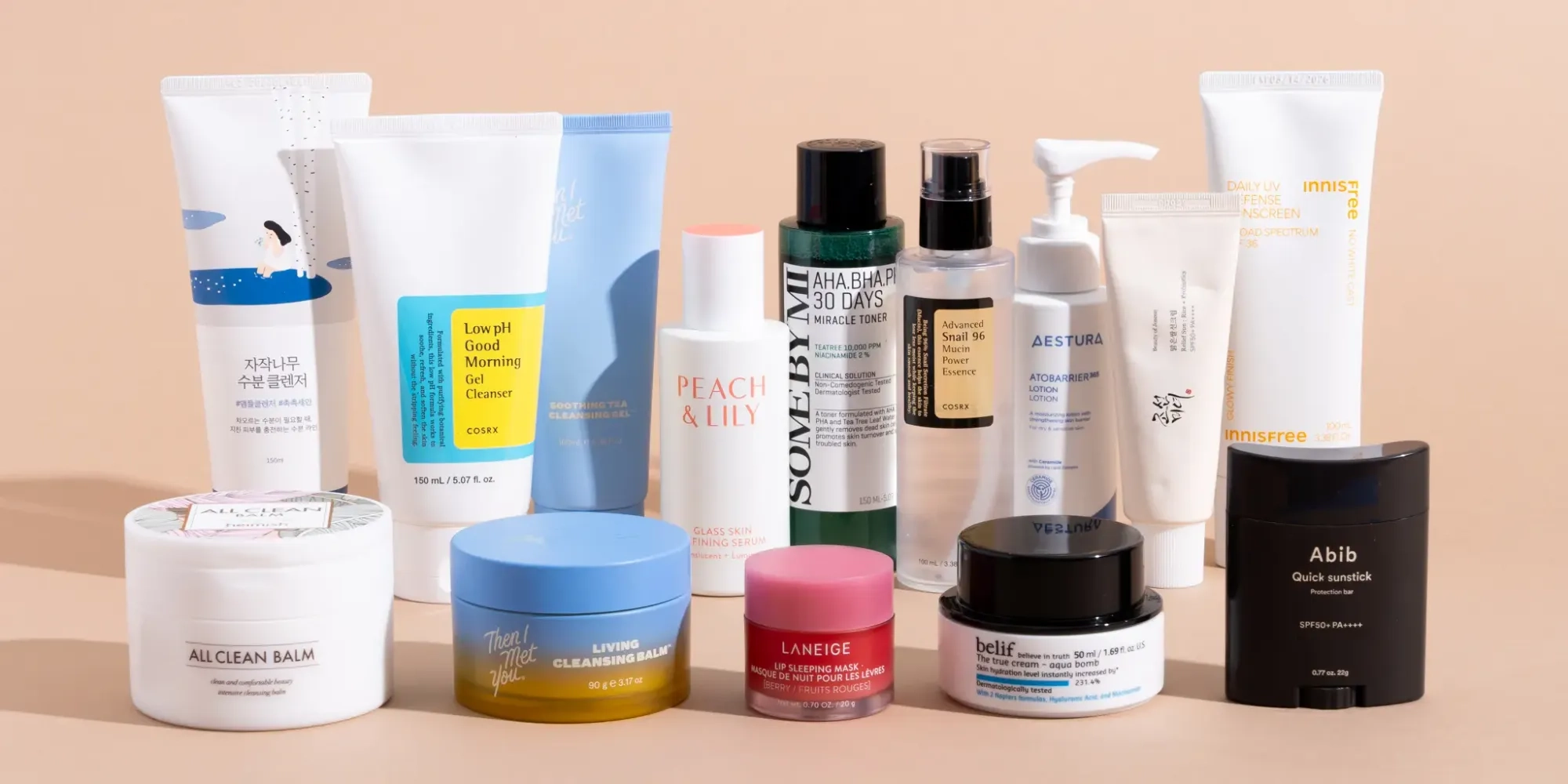
Take a walk down the skincare aisle of any major retailer, and you’ll notice something has shifted. Next to the familiar hyaluronic acid and retinol, you now see ingredients that might sound strange at first: snail mucin, centella asiatica, propolis, and fermented rice water. Your own bathroom cabinet might even house a product featuring one of them. For years, the conversation around Korean beauty focused on elaborate, multi-step routines.
But the real, lasting revolution wasn’t about the number of steps; it was about the potent, innovative, and often gentle ingredients inside the bottles. This article takes a closer look at the key players that made the journey from Seoul to global skincare stardom.
Beyond the 10-Step Routine
The initial wave of K-Beauty obsession in the West was largely centered on its famous 10-step (or more) regimen. It was a fascinating, almost ritualistic approach that promised flawless “glass skin.” While this process introduced millions to new product categories like essences and ampoules, the complexity was a barrier for many. The real staying power of the movement emerged when consumers and brands started looking past the steps and into the formulas themselves, says Joseph Kim, Founder & CEO of Incellderm.
What they found was a philosophy of skincare built on hydration, barrier repair, and gentle nourishment rather than harsh, aggressive treatments. This resonated deeply with a growing audience tired of irritating their skin in the pursuit of perfection. The focus shifted from the “how” to the “what.” People began asking not “how many products should I use?” but “what is cica, and why is it in my moisturizer?” This ingredient-first mindset is the true legacy of the K-Beauty phenomenon, turning specific formulations into household names.
This new focus allowed the ingredients to become the heroes. Instead of buying into an entire system, you could simply add a snail essence or a propolis serum to your existing routine. This made K-Beauty far more accessible and adaptable, allowing its core principles and powerhouse ingredients to integrate seamlessly into skincare cultures all over the world.
The Power of Snail Mucin and Cica
Perhaps no ingredient exemplifies this global shift more than snail mucin. The thought of applying snail secretion filtrate to your face was once a novelty, met with a mix of curiosity and skepticism. Yet, its popularity exploded for one simple reason: it works. Packed with glycoproteins, hyaluronic acid, and glycolic acid, snail mucin is a master of hydration, skin repair, and soothing inflammation. It offers a unique, slightly viscous texture that leaves skin feeling plump and dewy without being heavy.
For consumers dealing with a damaged moisture barrier from over-exfoliation or harsh actives, snail mucin became a gentle savior. Its ability to calm redness, fade acne scars, and provide deep, lasting moisture made it a staple for those with sensitive or compromised skin. It proved that an effective ingredient didn’t need to be aggressive.
Alongside it rose Centella Asiatica, more commonly known as cica. Often marketed in products like “cica creams,” this herbaceous plant has been used for centuries in traditional medicine for its wound-healing properties. In skincare, its active compounds—madecassoside and asiaticoside—are celebrated for their ability to calm irritation, reduce redness, and strengthen the skin barrier. Cica became the go-to ingredient for anyone experiencing sensitivity, from rosacea to post-procedure skin. It provided a reliable, calming solution in a market often saturated with intense, potentially irritating products.
Fermentation and Traditional Roots
Beyond the headline-grabbing ingredients, another cornerstone of K-Beauty formulations is the use of fermented ingredients. This isn’t a new-age gimmick; it’s a technique with deep historical roots in Korean culture, applied to everything from food (like kimchi) to beauty. In skincare, fermentation breaks down the molecular structure of ingredients like rice, soybeans, or ginseng. This process not only helps preserve the product naturally but also creates new, skin-beneficial compounds and makes the original ingredients more potent and easily absorbed.
Fermented rice water, for example, is rich in amino acids, minerals, and antioxidants that help to brighten and soften the skin. Ginseng, a revered ingredient in traditional Korean herbal medicine, is another powerhouse. When used in skincare, particularly in its fermented form, it’s known for its ability to improve circulation, boost hydration, and protect the skin from environmental stressors, says Htet Aung Shine, Co-Founder of NextClinic.
These ingredients carry a sense of authenticity and time-tested wisdom that appeals to modern consumers. They connect a sophisticated, scientific approach to formulation with a respect for tradition. This duality is a key part of K-Beauty’s global appeal. It’s not just about what’s new and trendy; it’s also about what has been trusted for generations. This heritage gives the products a story and a substance that goes beyond a simple marketing claim.
How These Ingredients Reached Your Bathroom Shelf
The journey of these ingredients from Korean labs to your local store was powered by a perfect storm of digital culture and evolving consumer behavior. Social media platforms, particularly Instagram and later TikTok, were instrumental. Skincare influencers and everyday users shared their “holy grail” products, posting incredible before-and-after photos showcasing the effects of snail mucin on acne scars or cica cream on red, irritated skin. This created an authentic, word-of-mouth buzz that traditional advertising couldn’t replicate.
Online retailers specializing in Asian beauty made these products accessible long before they hit mainstream shelves. They offered detailed explanations of the ingredients and their benefits, educating a curious Western audience. As demand swelled, Western beauty retailers and brands took notice. First, they began stocking popular K-Beauty brands. Then, in the surest sign of a trend becoming a mainstay, they started developing their own products featuring these now-famous ingredients.
Suddenly, you could find snail mucin serums and cica-infused moisturizers from familiar brands you’ve used for years. This integration cemented their place in the global market. They were no longer niche or foreign, but essential components of a modern, effective skincare routine, available to everyone.
Conclusion
The rise of K-Beauty ingredients is more than a fleeting trend; it represents a fundamental shift in our collective approach to skin health. It taught a global audience to look past marketing claims and focus on the science and history within the bottle. The movement championed a gentler, more nourishing philosophy, proving that powerful results don’t have to come from harsh chemicals. As these ingredients become permanent fixtures on store shelves worldwide, they leave a lasting legacy: a more informed, curious, and globally-minded skincare consumer.