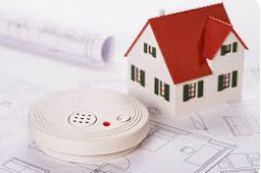
Household fires are often imagined as dramatic, fast-spreading events caused by extreme accidents. In reality, most home fires start quietly and unexpectedly, triggered by everyday activities such as cooking, electrical faults, unattended candles, or overloaded power outlets. What turns a small incident into a life-threatening emergency is often not the flames themselves, but the smoke that spreads rapidly through living spaces.
This is where smoke alarms play a crucial role. Though compact and easy to overlook, these devices are among the most effective tools for early fire detection and prevention.
Everyday Fire Risks Inside the Home
Modern homes are filled with potential fire hazards. Kitchen appliances are one of the most common sources of residential fires, particularly when cooking is left unattended. Electrical issues, such as damaged wiring or faulty chargers, also pose a significant risk, especially in older properties. Even something as simple as a forgotten candle or a cigarette can lead to dangerous smoke buildup.
What makes these situations especially hazardous is how quickly smoke can spread. Smoke reduces visibility, causes disorientation, and contains toxic gases that can overwhelm occupants within minutes. In many cases, people are asleep or distracted when a fire begins, leaving little time to react without an early warning system.
Why Early Detection Matters More Than Ever
The key to minimizing fire-related injuries and property damage is early detection. Smoke alarms are designed to sense smoke particles in the air long before flames become visible. When activated promptly, they provide valuable time for occupants to evacuate safely or address the issue before it escalates.
Studies consistently show that homes equipped with functioning smoke alarms significantly reduce the risk of fatal fire incidents. Early alerts allow people to respond calmly, follow evacuation plans, and contact emergency services without delay. From a broader perspective, effective fire protection is not just about reacting to emergencies, but about preventing small risks from turning into disasters.
The Role of Smoke Alarms in Modern Living Spaces
As living spaces evolve, so do fire safety needs. Apartments, multi-storey homes, and shared residential buildings require reliable safety measures that account for layout complexity and occupancy patterns. A single alarm in one room may not always be sufficient, especially if the fire starts far from sleeping areas.
Installing a smoke detector in key locations—such as hallways, bedrooms, kitchens (at a safe distance from cooking areas), and stairwells—creates a more comprehensive safety net. Proper placement ensures that smoke is detected quickly, regardless of where it originates.
Equally important is maintenance. Regular testing, battery checks, and timely replacements are essential to ensure alarms function correctly when needed most.
Interconnected Systems and Enhanced Safety
Advancements in home safety technology have led to the development of interconnected smoke alarm systems. Unlike standalone units, interconnected alarms communicate with each other. When one alarm detects smoke, all connected devices sound simultaneously.
This feature is particularly valuable in larger homes or properties with multiple floors. A fire starting in a basement or garage may not be immediately noticeable upstairs, but interconnected alarms ensure that everyone is alerted at the same time.
Devices such as the X-Sense XS01-WR interconnected smoke detector illustrate how modern alarm systems can enhance awareness across an entire home. By linking multiple units wirelessly, they help eliminate blind spots and reduce response times without requiring complex installation.
Reducing False Alarms Without Compromising Safety
One common concern among homeowners is the frequency of false alarms, especially near kitchens or bathrooms. Modern smoke alarms address this issue with improved sensor technology that distinguishes between harmless particles, like steam, and actual smoke from combustion.
Reducing false alarms is not just a matter of convenience—it also ensures that occupants take alerts seriously. When alarms are reliable, people are more likely to respond quickly and appropriately, rather than assuming it is another false trigger.
Smoke Alarms as Part of a Broader Safety Strategy
Smoke alarms work best when combined with basic fire safety habits. Keeping exits clear, avoiding overloaded electrical sockets, and safely storing flammable materials all contribute to a safer living environment. Having a clear evacuation plan and discussing it with household members further strengthens preparedness.
While no system can eliminate fire risk entirely, combining good practices with reliable detection tools significantly reduces the potential for harm. A well-maintained smoke alarm is often the first and most important line of defense.
Conclusion
Small in size but powerful in impact, smoke alarms remain one of the most effective ways to protect homes from everyday fire risks. They provide early warnings, support calm decision-making, and save valuable time when every second counts.
As homes become more complex and lifestyles busier, the importance of dependable fire safety measures continues to grow. Investing in reliable detection, thoughtful placement, and regular maintenance is not just a precaution—it is a responsibility that protects lives, property, and peace of mind.