As people age, the need for assistance with daily living activities becomes more common. For many families, the decision about how to provide this assistance is challenging. While nursing homes and assisted living facilities are traditional choices, they are not always the best fit for every senior. For those who wish to remain at home, live in care offers an excellent alternative, providing personalised care and allowing seniors to maintain their independence in a comfortable and familiar environment.
In this article, we will explore the concept of live in care, its many benefits, and why it might be the best choice for you or a loved one in need of care.
What Is Live In Care?
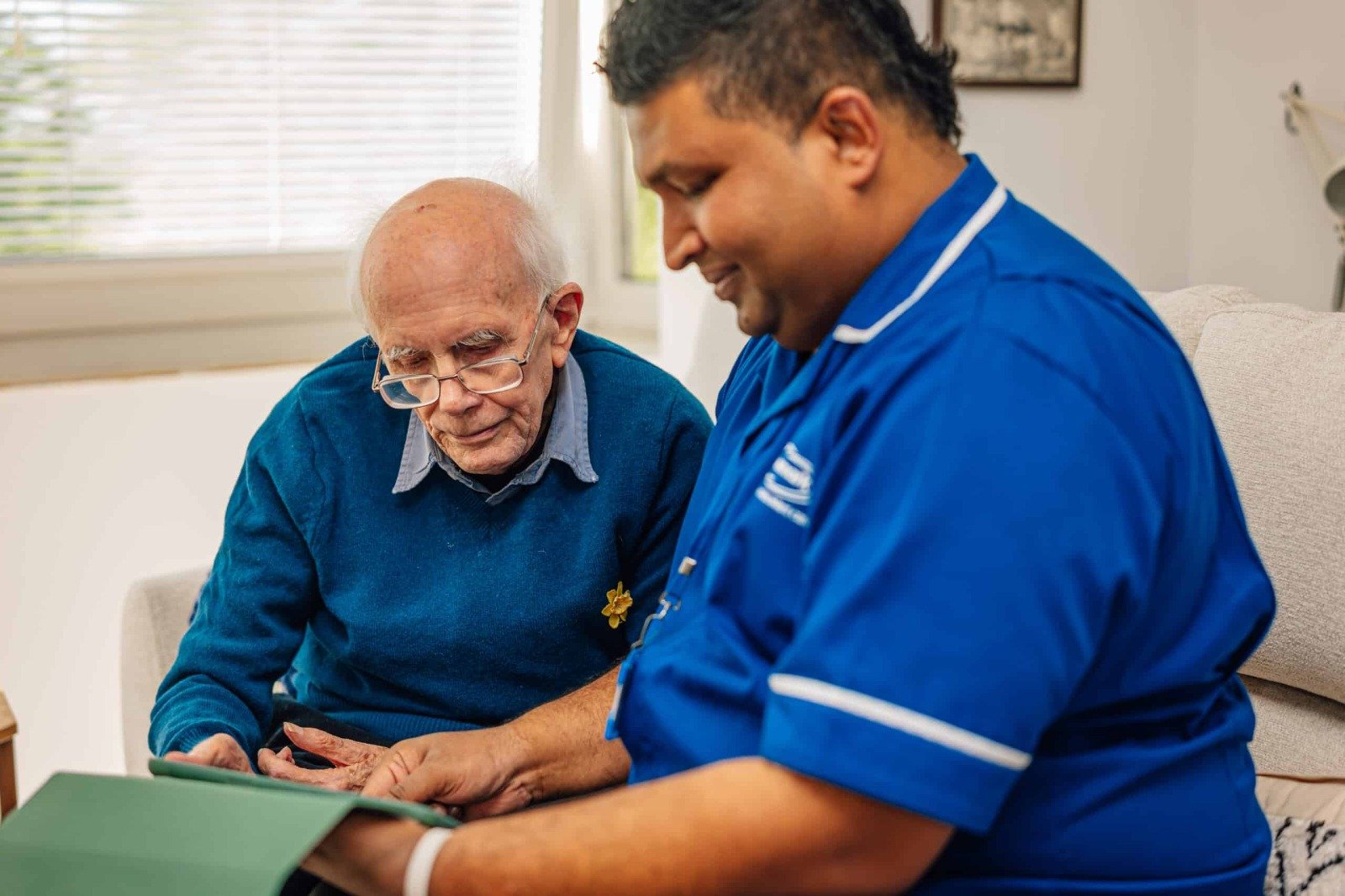
Live in care is a type of service that involves a trained caregiver moving into the client’s home and providing assistance with daily tasks. Unlike visiting carers who come for a set number of hours each day, live-in caregivers provide continuous care and companionship, helping the individual with their daily needs. This could include personal care such as bathing, dressing, and grooming, as well as assistance with meal preparation, medication reminders, mobility support, and housekeeping.
The key benefit of live in care is that the caregiver is always on hand to support the individual, providing around-the-clock care in the comfort of their own home. This allows seniors to receive professional care while still enjoying the benefits of their familiar surroundings, close family members, and the personal independence that comes with living at home.
The Many Benefits of Live-In Care
Choosing live in care can have a profound positive impact on a senior’s well-being. The following are some of the primary benefits of this care option:
1. Maintaining Independence
One of the most important aspects of aging is the desire to retain some level of independence. Many seniors feel that moving into a care facility will take away their autonomy and drastically change their lifestyle. However, live in care allows individuals to continue living at home, making their own choices, and maintaining their personal routines.
A live-in caregiver’s role is to assist, not take over. This personalised level of care enables seniors to live independently, but with the support they need for tasks that have become difficult or unsafe for them to manage alone.
2. Personalised Care
With live in care, seniors receive a customized care plan tailored to their specific needs and preferences. Unlike in nursing homes, where staff are required to care for multiple individuals, a live-in caregiver is focused on one person. This allows the caregiver to understand the senior’s habits, preferences, and medical needs on a deeper level. Whether it’s help with dressing, assistance with walking, or preparing a favorite meal, live-in care provides the most personalised care possible.
3. Comfort of Home
There is a significant emotional benefit to staying at home rather than moving into an institution. Home is where a person has spent many years, and it holds sentimental value. The familiarity of the environment can reduce anxiety, stress, and confusion, particularly for individuals with dementia or Alzheimer’s disease.
Live in care allows seniors to remain in their own home, surrounded by their belongings, memories, and the people they love. This comfort can significantly improve their emotional and psychological well-being.
4. Continuity of Care
In care facilities, a senior might see different caregivers throughout the day, which can lead to a lack of continuity in the quality of care. In contrast, live in care ensures that one caregiver (or a small team) provides consistent care. The caregiver develops a deep relationship with the senior, which helps build trust and a sense of security.
Having a consistent caregiver also allows the caregiver to better anticipate the senior’s needs, monitor their progress, and provide personalised care that evolves over time.
5. Social Interaction and Companionship
Social isolation is a growing concern among the elderly, and it can lead to depression, loneliness, and cognitive decline. With live-in care, seniors receive constant companionship from their caregiver, which can alleviate feelings of loneliness. The caregiver becomes more than just a helper; they often form a meaningful relationship with the individual, engaging in conversation, activities, and outings together.
In addition, live in care offers seniors the ability to maintain their social connections. They can continue seeing family members, friends, and neighbors in their own home, preserving the social network that is so crucial for mental health.
6. Cost-Effectiveness
Many people assume that live-in care is more expensive than traditional care facilities, but this is not always the case. Nursing homes and assisted living facilities come with high fees that often include additional charges for services like meals, medications, and activities. With live-in care, the cost is often more transparent, and the caregiver provides one-on-one care, ensuring that the senior gets exactly what they need.
Moreover, since live-in care is often more flexible, families can adjust the level of care based on their needs, which can help control costs.
Who Can Benefit from Live-In Care?
Live in care is suitable for a wide range of individuals, from those who are recovering from surgery or illness to those with chronic conditions like dementia, Parkinson’s disease, or arthritis. It is particularly beneficial for those who:
- Need help with daily activities like dressing, bathing, or eating
- Have mobility issues that make it difficult to move around the house or go out
- Require companionship to reduce feelings of loneliness
- Have specific care needs such as dementia or Alzheimer’s
- Need constant supervision and monitoring, such as medication reminders or assistance with mobility
Dementia and Alzheimer’s Care
One of the most important benefits of live in care is that it can be adapted to suit individuals with dementia or Alzheimer’s disease. These conditions require specialized care, and a live-in caregiver can provide the constant supervision, emotional support, and cognitive stimulation necessary to manage symptoms and improve quality of life.
Caregivers can create a calm and structured environment, follow routines that reduce confusion, and assist with memory exercises. Additionally, the familiarity of home can reduce the confusion and agitation that often accompany dementia.
How to Choose the Right Live-In Care Provider
When considering live in care, it’s essential to select a reputable provider who can offer the level of care that your loved one requires. Here are some factors to consider when choosing a live-in care agency:
- Caregiver Experience: Ensure that the agency employs caregivers who are trained and experienced in providing the specific type of care your loved one needs, whether that’s personal care, dementia care, or post-surgery care.
- Reputation: Look for agencies with positive reviews and testimonials from clients. Personal recommendations from other families can also be valuable in selecting the right provider.
- Flexibility: Some seniors may only require live-in care temporarily, while others may need long-term support. Ensure that the agency offers flexible care options that can meet your needs.
- Cost: While live in care can be more affordable than nursing homes, it’s still important to compare prices. Check for any hidden costs, and ensure that you fully understand the pricing structure before committing to a provider.
- Compatibility: It’s important that the caregiver and the senior get along well. Make sure that the caregiver is someone who can build a good rapport with the individual and provide care that is respectful and empathetic.
Is Live-In Care the Right Choice for You?
If your loved one requires assistance with daily living activities but wants to remain in the comfort of their own home, live in care could be the ideal solution. It provides personalized, one-on-one care, the comfort of staying at home, and an opportunity for continuous social interaction and companionship.
If you’re interested in learning more about how live in care can benefit you or a loved one, visit Live in Care Direct.