

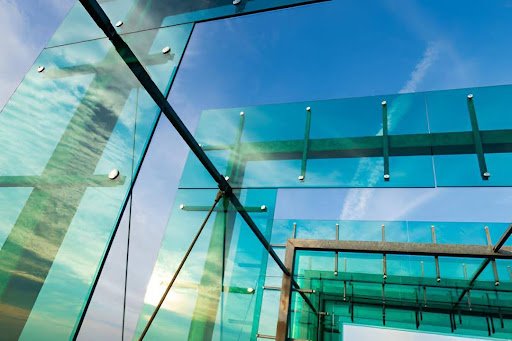
The way buildings are designed and constructed has changed significantly over the last decade. Today’s construction industry places strong emphasis on safety, durability, and long-term performance. Architects and developers are expected to create spaces that are not only visually appealing but also capable of protecting occupants and withstanding environmental challenges.
Glass has become a central material in modern architecture, offering transparency, natural light, and a sense of openness. However, traditional glass alone cannot meet modern safety expectations. This is where laminated glass plays a vital role, offering a balance between aesthetic freedom and dependable protection.
Why the Choice of a Laminated Glass Manufacturer Matters Early
At the planning stage of any construction project, selecting a reliable Laminated Glass manufacturer is an important decision that affects both safety and project efficiency. Laminated glass is a precision-engineered product, and its performance depends greatly on how carefully it is produced.
The lamination process involves bonding multiple layers of glass with a strong interlayer under controlled heat and pressure. Even minor errors in temperature, alignment, or bonding can reduce the glass’s strength or clarity. For this reason, experienced manufacturers follow strict production standards to ensure consistent quality.
By choosing the right manufacturing partner early, project teams can avoid material issues, delays, and unexpected safety concerns later in the construction process.
Understanding the Safety Behavior of Laminated Glass
One of the most important characteristics of laminated glass is how it behaves under stress or impact. When ordinary glass breaks, it shatters into sharp pieces that can cause serious injuries. Laminated glass, on the other hand, is designed to stay intact even when cracked.
The interlayer holds the broken glass fragments together, preventing them from falling or scattering. This feature makes laminated glass especially suitable for locations where safety risks must be minimized.
Common safety-critical applications include:
- Building entrances and exits
- Overhead glazing and skylights
- Glass railings and balustrades
- Large façade panels
By reducing the likelihood of injury, laminated glass supports safer public and private spaces.
Performance Advantages That Go Beyond Impact Resistance
While safety is a key reason for choosing laminated glass, its performance benefits extend much further.
Noise Reduction for Urban Comfort
Laminated glass helps reduce sound transmission by absorbing vibrations through its interlayer. This is particularly valuable in busy urban areas, near highways, or in commercial districts where noise pollution can affect comfort.
Protection from UV Radiation
The interlayer in laminated glass blocks a significant portion of harmful ultraviolet rays. This protects interior furnishings, artwork, and flooring from fading, helping maintain interior quality over time.
Better Resistance to Environmental Stress
Laminated glass performs well in challenging weather conditions. It offers improved resistance to wind pressure, temperature changes, and accidental impact, making it suitable for demanding environments.
Expanding Use of Laminated Glass in Modern Buildings
As building designs evolve, laminated glass is being used in a wider range of applications than ever before.
Commercial Architecture
Office buildings, hotels, and retail centers rely on laminated glass for façades, partitions, and curtain wall systems. It supports modern design while meeting strict safety requirements.
Residential Projects
Homeowners increasingly choose laminated glass for windows, balconies, and doors to improve security and reduce noise. It offers peace of mind without compromising natural light.
Public and Institutional Buildings
Hospitals, schools, airports, and government buildings depend on laminated glass to ensure safety in high-traffic areas while maintaining open, welcoming spaces.
Quality Control and Manufacturing Precision
Producing reliable laminated glass requires careful quality control at every stage. Manufacturers must monitor raw material quality, lamination conditions, and final inspection processes to ensure consistency.
Typical quality checks include:
- Adhesion strength testing
- Optical clarity inspection
- Impact and load resistance evaluation
- Environmental durability assessment
These measures ensure laminated glass performs as expected throughout its service life.
Design Flexibility Without Compromising Safety
One of the reasons laminated glass is so popular among architects is its flexibility. It allows designers to achieve bold, modern designs while still meeting safety regulations.
Customization options often include:
- Different glass thickness combinations
- Clear, tinted, or decorative interlayers
- Acoustic-focused laminations
- Enhanced security configurations
This adaptability makes laminated glass suitable for both functional and creative architectural solutions.
Supply Reliability During Construction Phases
Construction schedules depend heavily on timely material delivery. Delays or inconsistencies in glass supply can disrupt workflows and increase costs. Partnering with an experienced Laminated Glass manufacturer helps ensure stable production schedules and consistent product specifications.
Manufacturers that provide technical support and clear documentation help project teams coordinate installation more efficiently, reducing on-site challenges.
Contribution to Sustainable Building Practices
Sustainability is now a key consideration in modern construction. Laminated glass supports environmentally responsible building by improving energy efficiency and reducing long-term material waste.
Its durability means fewer replacements over time, and its insulating properties help maintain stable indoor temperatures. These factors contribute to lower energy consumption and reduced maintenance needs.
Building Trust Through Proven Manufacturing Expertise
In the competitive construction materials industry, trust is earned through reliability and consistent performance. mannleecw.com represents a professional approach to laminated glass production, focusing on controlled manufacturing processes and dependable results.
Working with experienced manufacturers gives architects and developers confidence that their glazing solutions will meet both technical standards and design goals.
Future Outlook for Laminated Glass Applications
As safety regulations and architectural demands continue to grow, laminated glass will remain an essential material. Ongoing innovation in interlayer technology, acoustic performance, and sustainability features will further expand its role in modern construction.
Future developments are expected to enhance durability, improve sound insulation, and integrate laminated glass with smart building systems.
Conclusion
Laminated glass has become a cornerstone of safety-focused construction, offering a reliable combination of strength, durability, and design flexibility. Its ability to protect occupants while supporting modern architectural concepts makes it a valuable material across residential, commercial, and public projects.
Choosing the right manufacturing partner ensures laminated glass delivers consistent performance from design to installation. As construction standards continue to rise, laminated glass will remain a trusted solution for safe, efficient, and future-ready buildings.