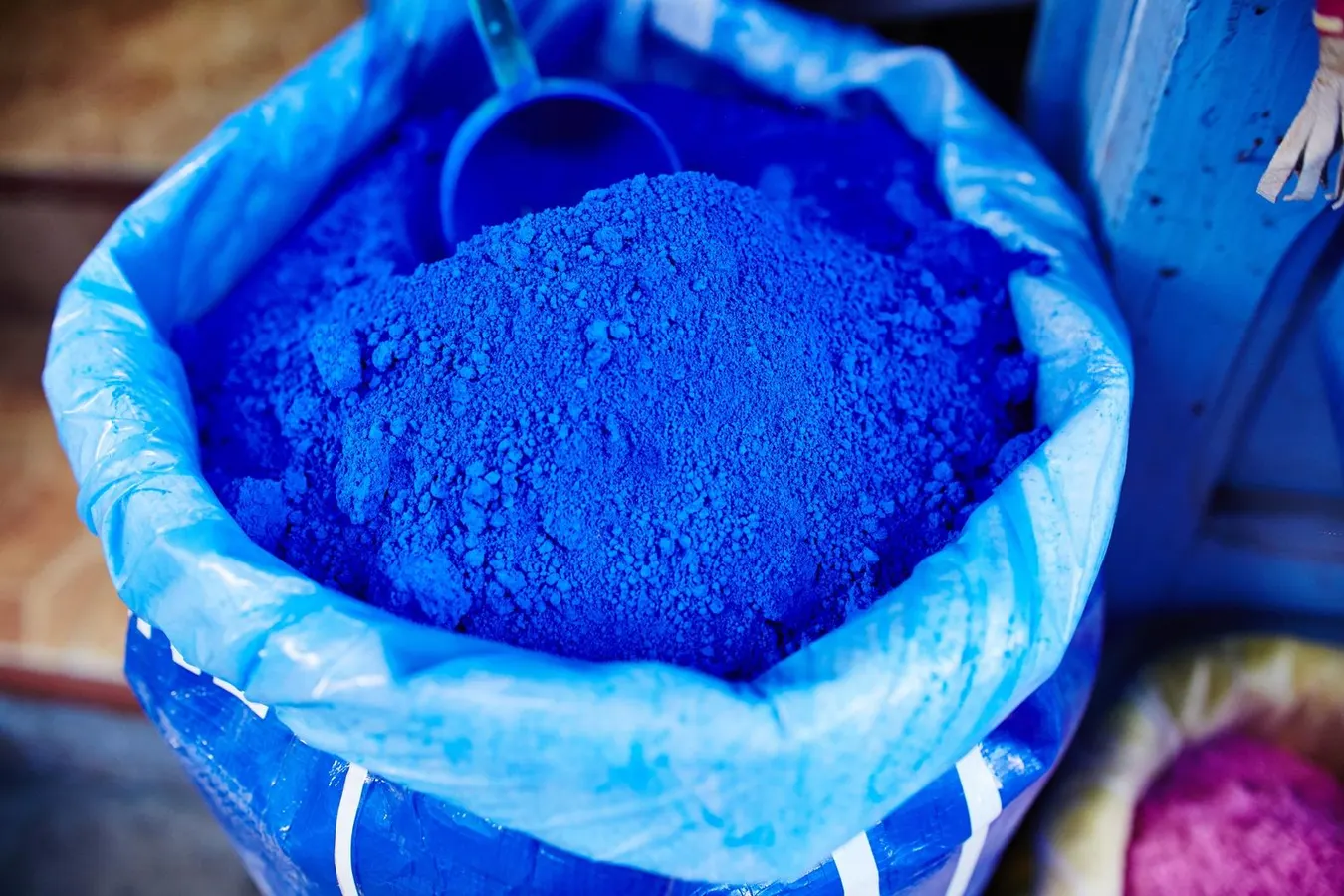
In the world of food manufacturing, color plays an essential role in making products attractive and desirable to consumers. Among the wide spectrum of colors, blue is one of the most challenging yet fascinating to achieve naturally. With increasing health awareness and regulatory restrictions on synthetic dyes, natural blue food coloring has emerged as a key player in the clean-label revolution.
What Is Natural Blue Food Coloring?
Natural blue food coloring is a plant-based pigment used to impart blue hues to food and beverages without relying on artificial additives. Unlike synthetic dyes, natural blue food colors are derived from sources such as spirulina, butterfly pea flower, and certain algae, providing both visual appeal and health benefits.
Popular Sources of Natural Blue Food Coloring
- Spirulina (Phycocyanin): One of the most popular sources of natural blue color, spirulina is a blue-green algae packed with nutrients. Its extract, known as phycocyanin, offers a vibrant blue pigment that is widely used in beverages, dairy products, and confections.
- Butterfly Pea Flower: This flower produces a brilliant blue pigment that changes color depending on pH levels, making it an interesting ingredient for drinks, desserts, and edible decorations.
Why Choose Natural Blue Food Coloring?
Consumers today are highly focused on clean labels, natural ingredients, and health safety. Natural blue food coloring offers several advantages over synthetic alternatives:
- Healthier Option: Being plant-based, natural blue colors often contain antioxidants and other beneficial compounds.
- Regulatory Compliance: Many countries are increasingly restricting or banning synthetic dyes due to potential health risks, making natural alternatives essential.
- Vegan and Allergen-Free: Suitable for vegan products and free from allergens, natural blue food colors are a versatile choice for manufacturers.
Applications in the Food Industry
Natural blue food coloring is transforming the way manufacturers design food products, adding both appeal and value:
- Beverages: From energy drinks to cocktails, blue tones offer a striking appearance that attracts consumers.
- Confectionery: Candies, gummies, and chocolates benefit from natural blue coloring, making them stand out on the shelf.
- Dairy Products: Ice creams, yogurts, and flavored milks can achieve beautiful blue shades without artificial additives.
- Baked Goods: Macarons, cakes, and cookies can be decorated using natural blue food coloring for a clean, healthy presentation.
Challenges and Innovations
One challenge with natural blue food coloring is its stability under heat and light exposure. Manufacturers have overcome these issues through advanced extraction techniques, pigment stabilization methods, and microencapsulation. These innovations ensure consistent color performance across a wide range of food applications.
The Future of Natural Blue Food Coloring
The market for natural blue food coloring is expected to grow rapidly as consumer demand for transparency, health-conscious ingredients, and sustainable sourcing rises. As more companies invest in research and development, the availability and quality of natural blue pigments continue to improve.
Conclusion
Natural blue food coloring exemplifies how food technology is evolving to meet modern consumer demands. Offering a visually striking appearance along with health benefits, it is fast becoming an essential ingredient in clean-label food production. Whether in beverages, desserts, or dairy products, natural food coloring provides a healthy, vibrant solution for the food industry’s future.