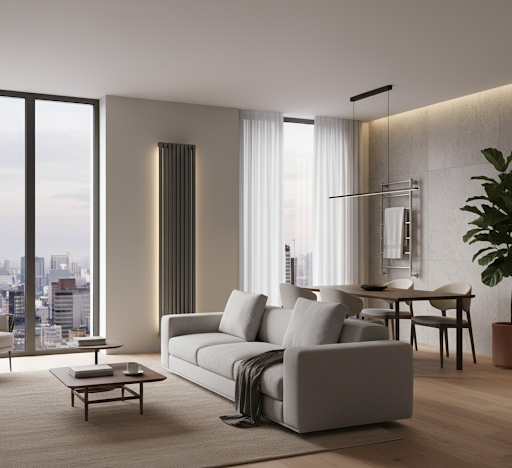
Creating a warmer, more energy-efficient home doesn’t always demand tearing up floors or replacing an entire heating system. With a few clever updates, you can significantly improve comfort, reduce bills, and modernise your interior all without the stress of renovation.
Whether you live in a period property or a city flat, these easy upgrades will make your home feel cosier and more efficient this season.
1. Small Changes, Big Comfort
Heating efficiency often comes down to attention to detail rather than expensive overhauls. Upgrading valves, adding smart controls, or replacing old radiators with new energy-efficient radiators can deliver noticeable improvements in comfort and energy savings.
These simple steps not only enhance warmth but also give you more control over your heating, helping you heat smarter, not harder.
2. Assess Your Current Heating System
Before jumping into upgrades, it’s worth assessing your existing setup. Look for signs of poor performance, such as:
- Cold patches on your radiators.
- Gurgling sounds or trapped air.
- Higher-than-expected energy bills.
Start with a simple inspection. Bleed your radiators to remove trapped air and ensure even heat distribution. If problems persist, call a heating professional for a system check. They can spot inefficiencies that might not be obvious at first glance.
3. Quick and Affordable Heating Upgrades
Alt: TRV valve showing temperature numbers
Replace Old Radiator Valves with TRVs
Thermostatic Radiator Valves (TRVs) let you control the temperature in individual rooms. This means you can keep living areas warm while saving energy in rooms you use less often.
They’re affordable, easy to fit, and a quick win for improving energy efficiency without changing your entire system.
Add Smart Controls
A smart thermostat is one of the most cost-effective upgrades you can make. It allows you to:
- Schedule heating times based on your routine.
- Adjust temperatures remotely through your phone.
- Reduce waste by only heating rooms when needed.
Many modern smart controls are compatible with existing radiators and boilers, making them an effortless addition to your home.
Install Radiator Reflectors
Radiator reflectors are thin panels that sit behind your units, bouncing heat back into the room rather than letting it escape through the walls.
They’re inexpensive, easy to install yourself, and particularly effective for radiators on external walls, a simple trick that can make a big difference.
Switch to Low-Water-Content Models
Modern low-water-content radiators heat up faster and require less energy to reach the desired temperature. Many can be swapped into existing pipework, meaning no major plumbing work is required.
They’re ideal for homeowners looking to boost efficiency quickly and sustainably.
4. Aesthetic and Space-Saving Enhancements
Upgrade to Vertical Radiators
If you’re short on space, a vertical design can transform both your heating performance and your décor. Tall, slimline units create a striking visual feature while freeing up valuable wall space.
They’re perfect for kitchens, hallways, and living areas where every inch counts.
Use Covers or Repaints
Tired of looking at an old or dated radiator? A stylish cover or a fresh coat of heat-resistant paint can instantly elevate your interior.
- Covers provide an extra layer of safety and style.
- Repainting offers a cost-effective way to refresh without replacement.
Choose colours that match your walls for a minimalist look, or go bold with contrast tones for a design statement.
Add Heated Towel Rails
An easy swap in most bathrooms, heated towel rails offer both comfort and luxury. Available in electric, dual-fuel, and water-based versions, they’re simple to install and efficient to run.
Not only do they keep your towels warm, but they also help to gently heat the room, ideal for chilly mornings.
5. Improve Heat Efficiency Throughout the Home
Good heating isn’t just about the system itself; it’s also about how well your home retains warmth. Try these quick improvements:
- Use draught excluders to seal gaps around doors and windows.
- Keep furniture clear of radiators to allow airflow.
- Add rugs and curtains for extra insulation.
- Fit door seals or thermal blinds to stop heat loss.
Combining these with your heating upgrades maximises comfort and reduces wasted energy.
- Energy-Saving Tech Additions
Smart technology can take your heating control to the next level. Consider adding:
- Smart radiator thermostats for zoned heating.
- Energy-use monitors to track and cut unnecessary consumption.
- Smart plugs or timers to automate heating schedules.
These small changes make managing your home’s warmth effortless and more efficient.
7. When to Call a Professional
While many upgrades are DIY-friendly, some tasks are best left to experts. Consider professional help if:
- You’re replacing multiple radiators.
- Your system needs balancing or flushing.
- You’re installing advanced smart controls.
A qualified heating engineer ensures everything runs safely, efficiently, and without disruption, all while avoiding costly renovation work.
8. Warmth Without the Work
Home heating improvements don’t need to be complex or costly. From adding smart controls to refreshing old units, even the smallest upgrades can make a noticeable difference in comfort and energy efficiency.
By combining modern radiator designs, clever technology, and a few simple adjustments, you can create a warm, stylish, and efficient home all without lifting a hammer.