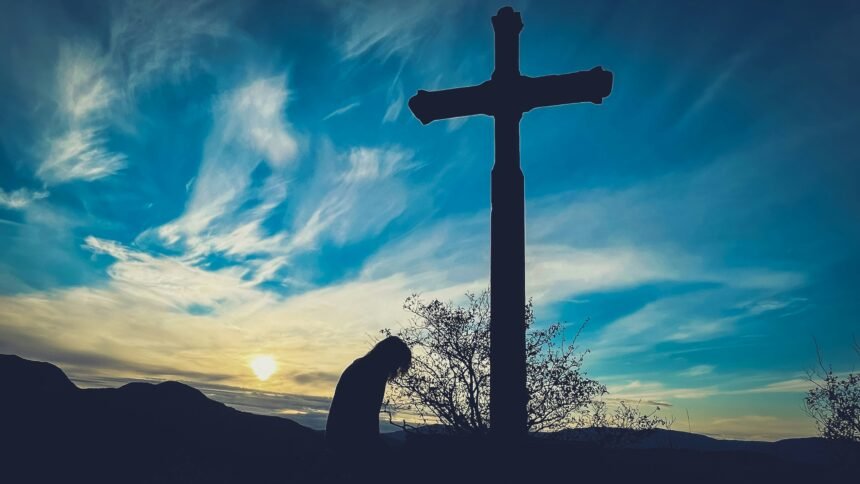
Christianity’s reach extends to every corner of the globe, touching the lives of more than two billion believers who express their faith in wonderfully diverse ways. From Ethiopia’s misty highlands to Norway’s dramatic fjords, Christian communities have woven their devotion into the fabric of local culture, creating celebrations and practices that are both distinctly regional and universally Christian. What makes this diversity so fascinating? It’s how these communities manage to honor core theological truths while allowing their unique cultural identities to shine through. The result is a living testimony to Christianity’s remarkable ability to speak meaningfully across cultures, languages, and traditions.
Ancient Eastern Christian Traditions
Step into an Eastern Orthodox or Oriental Orthodox church, and you’re experiencing worship practices that have remained largely unchanged for centuries. The Ethiopian Orthodox Tewahedo Church offers a particularly striking example, where ancient Christian rituals blend seamlessly with African cultural elements, think drums, sistrums, and haunting chants that create an atmosphere unlike any Western service. Russian Orthodox believers take fasting seriously, abstaining from meat, dairy, and animal products for weeks before major celebrations, treating this discipline as essential spiritual preparation rather than mere dietary restriction. Icons aren’t just decorative in Byzantine tradition; they’re considered sacred windows into the divine, with believers approaching them with reverence and devotion.
Latin American Festival Traditions
Latin American Christianity bursts with color, music, and celebration, a vibrant fusion born from the meeting of European Catholicism and indigenous American spirituality. Mexico’s Dia de los Muertos beautifully illustrates this synthesis, where Catholic All Saints’ Day merges with pre-Columbian ancestor veneration, resulting in elaborate ofrendas adorned with marigolds, photographs, and favorite foods of the departed. Brazilian communities take any excuse for a festa seriously, organizing processions that wind through city streets with brass bands, dancers, and entire neighborhoods turning out to honor their patron saints. Perhaps nowhere is this cultural blending more dramatic than at Peru’s Qoyllur Rit’i festival, where tens of thousands of pilgrims trek into the Andes for a celebration that honors both Christ and ancient mountain spirits.
African Indigenous Christian Expressions
Africa’s Christian communities are rewriting what it means to be Christian in the 21st century, and they’re doing it with infectious energy and profound cultural insight. Nigerian Pentecostal churches have turned the all-night prayer vigil into an art form, with believers spending entire nights in fervent prayer, worship, and what they call spiritual warfare. Walk into churches across Kenya and Uganda, and you’ll find traditional instruments, local music styles, and dancing that would make many Western congregations uncomfortable, but which African believers see as natural expressions of joyful praise. The concept of ubuntu, that deep African understanding of interconnectedness and communal responsibility, shapes everything from church governance to conflict resolution, creating faith communities where individualism takes a back seat to collective well-being. South African churches have embraced the prophetic tradition, addressing apartheid’s legacy and ongoing inequality with a moral authority rooted in both Scripture and African communal values. When addressing systemic injustices and human rights concerns, believers worldwide engage in advocating for Christians to amplify marginalized voices and pursue policy changes that reflect biblical justice principles. What’s emerging is an African Christianity that’s thoroughly biblical yet distinctly African in its expression and priorities.
Asian Christian Adaptations
Asian Christians have had to get creative, expressing their faith in contexts where Christianity often represents a minority tradition surrounded by Buddhism, Hinduism, Islam, or state-enforced secularism. South Korean Protestantism developed the remarkable practice of early morning prayer meetings, imagine dedicated believers gathering at 4 or 5 AM for communal prayer before starting their workdays. In the Philippines, Simbang Gabi draws massive crowds to pre-dawn masses for nine consecutive days before Christmas, blending Spanish Catholic tradition with Filipino cultural expressions in ways that feel uniquely Filipino. Kerala’s ancient Christian communities trace their origins to the apostle Thomas himself, maintaining Syrian liturgical traditions while incorporating local customs into weddings, funerals, and festivals.
European Liturgical Heritage
Europe might be increasingly secular, but its Christian heritage runs deep, preserved in traditions that have shaped Christian practice worldwide. The Church of England’s cathedral tradition keeps alive the art of choral evensong, where professional choirs perform centuries-old compositions in buildings that have hosted worship for a millennium. German Lutherans approach Advent with a seriousness that stands in stark contrast to commercial Christmas culture, using Advent wreaths and calendars to create space for spiritual reflection and anticipation. Scandinavian countries mark Saint Lucia’s Day each December with processions of young people wearing white robes and candle crowns, a beautiful tradition that speaks to the human need for light during dark winter months.
Conclusion
What becomes clear when exploring global Christian customs is that Christianity defies simple categorization, it’s simultaneously one faith and countless expressions of that faith. Ethiopian vigils and Korean dawn prayers might look nothing alike, Mexican Dia de los Muertos celebrations might seem worlds apart from Scandinavian Lucia processions, yet all serve to connect believers with fundamental truths about divine love, redemption, and community. This diversity isn’t a problem to be solved but a testament to Christianity’s profound adaptability and relevance across human cultures. As Christianity continues its remarkable growth, particularly across Africa, Asia, and Latin America, we can expect new traditions to emerge while ancient practices endure, creating an ever-richer tapestry of global faith.