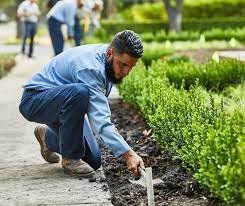
Climate patterns are shifting, and traditional gardening approaches no longer guarantee success. Extreme heat waves, unpredictable rainfall, and longer droughts are becoming the new normal across many regions. Smart gardeners are adapting their strategies to work with these changes rather than against them.
Understanding Your Local Climate: The Foundation of Smart Planning
Before selecting a single plant or installing irrigation systems, you need to thoroughly understand your specific growing conditions. Climate zones provide a starting point, but microclimates within your property can vary significantly.
Start by tracking temperature patterns throughout your yard. South-facing slopes heat up faster and stay warmer, while low-lying areas collect cold air and may experience frost longer. Wind patterns also matter—constant exposure can dry out plants quickly, while sheltered spots retain moisture.
Precipitation patterns have shifted in many areas. Some regions experience longer dry periods followed by intense rainfall events. Others see more consistent moisture but at different times of year than historically normal. Keep detailed records of rainfall amounts and timing to understand your property’s specific patterns.
Soil temperature affects when you can plant and how well different species establish. Use a soil thermometer to track ground temperature changes throughout the seasons. This information helps you time plantings for maximum success.
Choosing Plants That Work With Nature
Native plants form the backbone of climate-adapted gardens because they’ve evolved to handle local conditions. These species typically require less water, resist common pests and diseases, and provide food and habitat for local wildlife.
However, “native” doesn’t always mean “perfect for your specific site.” Research which native plants naturally grow in conditions similar to your garden’s microclimates. A native plant from a forest understory won’t thrive in a sunny, exposed location even within its native range.
Consider climate migrants—plants from similar climate zones that may perform better than traditional choices as conditions change. A landscape company in Utah might recommend drought-tolerant species from Mediterranean climates that can handle the state’s increasingly hot, dry summers.
Avoid plants with high water requirements unless you have naturally moist conditions or efficient irrigation systems. Similarly, species that struggle with heat stress will likely perform poorly as temperatures rise.
Look for plants with proven track records in challenging conditions. Many universities and extension services maintain trial gardens that test plant performance under various stress conditions.
Water-Smart Irrigation and Conservation
Efficient water use becomes crucial as rainfall patterns shift and water restrictions increase. Modern irrigation technology makes it easier to deliver water precisely where and when plants need it most.
Drip irrigation systems deliver water directly to root zones, reducing evaporation and preventing water waste on pathways and non-planted areas. These systems work particularly well for vegetable gardens, perennial beds, and newly planted trees and shrubs.
Smart irrigation controllers adjust watering schedules based on weather conditions, soil moisture, and plant requirements. Many systems connect to local weather stations and can skip watering cycles when rain is forecast or detected.
Rainwater harvesting extends your water supply during dry periods. Simple rain barrels work for small gardens, while larger cisterns can support extensive landscaping. Position collection systems to capture runoff from roofs and other impervious surfaces.
Mulching reduces water evaporation from soil surfaces while suppressing weeds and moderating soil temperature. Organic mulches like wood chips or shredded leaves also improve soil as they decompose. Apply 2-4 inches around plants, keeping mulch away from plant stems to prevent pest and disease problems.
Building Soil Resilience for Extreme Conditions
Healthy soil acts as a buffer against climate extremes, holding moisture during droughts and draining excess water during heavy rains. Improving soil structure and fertility makes your entire garden more resilient.
Organic matter is the key to soil improvement. Compost, aged manure, and other organic amendments increase the soil’s water-holding capacity while improving drainage—seemingly contradictory benefits that healthy soil provides simultaneously.
Cover crops protect and improve soil when beds aren’t in active production. These living mulches prevent erosion, add organic matter, and can improve soil chemistry. Leguminous cover crops like clover or vetch also add nitrogen naturally.
Minimize soil disturbance to preserve beneficial soil organisms and established fungal networks. No-till or reduced-till approaches maintain soil structure and the complex ecosystems that support plant health.
Test soil pH and nutrient levels regularly. Climate stress can affect how plants access nutrients, so maintaining optimal soil chemistry becomes even more important under challenging conditions.
Protecting Your Garden from Extreme Weather
Climate adaptation means preparing for weather events that may be more intense or frequent than in the past. Smart design and protective strategies help gardens survive these challenges.
Wind protection becomes critical in areas experiencing stronger storms or persistent winds. Strategic placement of trees, shrubs, or structures can create beneficial microclimates while protecting more vulnerable plants.
Shade structures help sensitive plants cope with increasing heat. Temporary solutions like shade cloth work well for vegetable gardens, while permanent structures like pergolas or strategically placed trees provide long-term protection.
Drainage improvements prevent damage from intense rainfall events. French drains, bioswales, and rain gardens can handle excess water while preventing erosion and flooding around buildings.
Flexible plant supports allow movement during strong winds rather than breaking. Stakes and cages should support plants without restricting natural movement that actually strengthens stems and trunks.
Conclusion
Climate-adapted gardening requires thinking beyond traditional approaches, but the results justify the effort. Gardens designed for changing conditions use resources more efficiently, require less maintenance, and provide greater satisfaction as they thrive rather than merely survive.