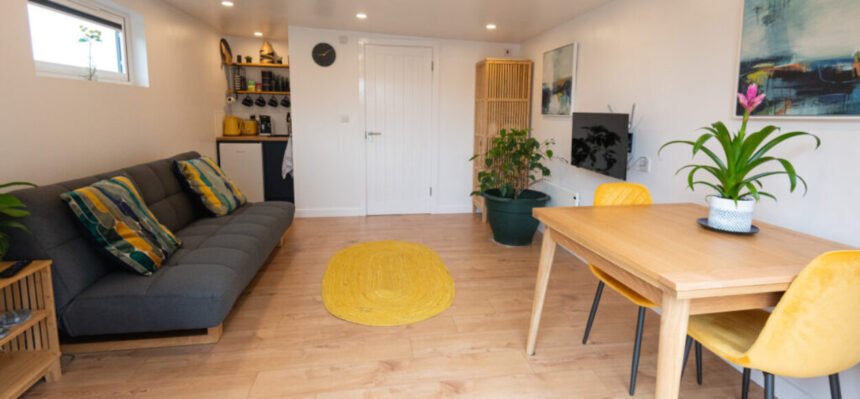
Garden rooms have become one of the most popular home improvements in recent years, offering a practical and stylish way to create additional space without altering the main house. Whether used as a home office, gym, studio, or relaxation area, garden rooms provide a flexible solution that adapts to modern lifestyles while enhancing outdoor living.
One of the main reasons homeowners choose garden rooms is their versatility. Unlike traditional extensions, which often require extensive building work and long construction timelines, garden rooms can be installed relatively quickly and with minimal disruption. They are designed to be fully insulated, weatherproof, and suitable for year-round use, making them a genuine extension of the home rather than a seasonal structure.
Design options for garden rooms are extensive, allowing homeowners to tailor the space to their specific needs. Contemporary styles with clean lines and large glass panels are particularly popular, as they maximise natural light and create a strong connection with the garden. Timber cladding, neutral interiors, and modern finishes help the structure blend seamlessly into the outdoor environment while maintaining a high-end, architectural feel.
A key consideration when planning a garden room is planning permission. In many cases, garden rooms fall under permitted development rights, meaning formal planning permission is not required. However, this depends on several factors, including the size and height of the building, its position within the garden, and whether the property is located in a conservation area or has listed status. Understanding these rules early in the process can save time and prevent potential issues later on.
Even when planning permission is not required, it is still important to comply with building regulations and local guidelines. Professional garden room suppliers typically design their structures to meet these standards, ensuring safety, durability, and energy efficiency. Consulting with experts or checking with the local planning authority can provide clarity and peace of mind before construction begins.
Garden rooms are particularly appealing in the context of remote and hybrid working. A dedicated workspace in the garden offers physical and psychological separation from the main house, helping to improve focus and productivity. Stepping outside into a purpose-built office can create a healthier work routine, while the surrounding greenery contributes to reduced stress and increased well-being.
Beyond work, garden rooms are also ideal for personal pursuits. They can be transformed into art studios, music rooms, yoga spaces, or entertainment lounges. Families often use them as quiet retreats or teenage hangouts, giving everyone more room to enjoy the home without feeling overcrowded. This adaptability makes garden rooms a long-term investment that evolves with changing needs.
From a property value perspective, a well-designed garden room can significantly enhance a home’s appeal. Buyers increasingly look for flexible spaces that support modern living, and a high-quality garden room can be a strong selling point. Unlike temporary structures, professionally built garden rooms are durable, visually appealing, and seen as a permanent upgrade.
Sustainability is another important factor driving the popularity of garden rooms. Many are constructed using eco-friendly materials and incorporate energy-efficient features such as double glazing and high-performance insulation. These elements help reduce energy consumption while maintaining comfort throughout the year.
In conclusion, garden rooms offer a smart, stylish, and practical way to expand living space. With careful design, attention to regulations, and an understanding of planning permission requirements, homeowners can create a valuable and versatile addition that enhances both lifestyle and property value for years to come.