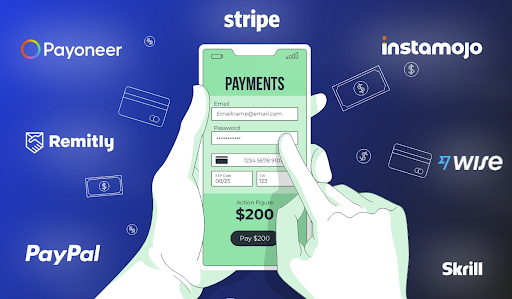
You probably did not become a freelancer because you love paperwork, fees, and fine print. You wanted freedom. Flexibility. Control. Then money got involved… and things got complicated fast. I remember staring at my first international payment screen thinking, this looks fake. Like a scam popup. Choosing the right setup matters more than most people admit.
Somewhere in the middle of all this sits freelancer payment solutions, quietly deciding whether you sleep well or refresh your inbox at 2 a.m. wondering where your money went.
Why Payment Systems Feel Stressful, Even When They Should Not
Money stress hits differently when you freelance. No HR. No payroll department. It is just you and a dashboard full of numbers that may or may not land in your account.
You send an invoice.
Client says “paid.”
Nothing shows up.
That gap. That silence. It messes with your head.
Part of the problem is trust. Part is complexity. And part of it is that many tools were built for companies, not for one human sitting at a laptop trying to get paid on time.
What “Safe” Actually Means For Freelancers
People throw around the word safe a lot. But safe is not one thing.
For you, safe probably means:
- Your money arrives. Always.
- No random account freezes.
- Clear fees. No surprises.
- Some way to prove you got paid if a client disputes things.
- Support that answers like a human, not a wall.
A cybersecurity researcher at MIT once said, “Most financial fraud succeeds not through hacking systems, but through confusing users.” That line stuck with me. Confusion is the real enemy.
If a payment system feels unclear, it usually is.
Reliability Is Boring, And That Is The Point
Reliable tools are rarely exciting. They do not promise overnight payouts with fireworks. They quietly work.
Ask yourself simple questions:
- Has this platform existed for years, or did it appear last month?
- Do other freelancers complain about delayed payouts?
- Does it work in your country without hacks or workarounds?
The World Bank reported that freelancers in cross-border work lose up to 7 percent of income annually due to hidden transfer fees and delays. That is not small money. Over a year, it hurts.
Sometimes the boring option is the smartest one.
Fees, The Part Nobody Reads Carefully Enough
I did this once. I skimmed the fee page. Though I understood it. I did not.
Some platforms charge:
- Receiving fees.
- Conversion fees.
- Withdrawal fees.
- Inactivity fees. Yes, really.
A payments analyst at Deloitte noted, “Freelancers often underestimate cumulative transaction costs because fees are fragmented across steps.” That sounds technical, but it is real life.
You think you lost 2 percent.
Actually, you lost 6 percent.
You just did not notice yet.
Security Is Not Only About Hackers
People think security equals encryption. That matters, yes. But practical security matters more.
Things like:
- Two-factor login.
- Alerts when money moves.
- Ability to lock your account quickly.
A former PayPal risk advisor once said, “Account recovery speed matters more than breach prevention for individual earners.” Because when something goes wrong, time becomes money. Fast.
If support takes five days to reply, you are stuck.
Pro Tip
Before committing, search the platform name plus “account frozen” or “payment delayed.” Do this once. It will save you stress later.
Clients Matter More Than The Platform Sometimes
Here is something nobody says out loud. Even the best payment system fails if your client refuses to use it.
Some clients insist on their tools. Some refuse escrow. Some hate platforms.
So you balance.
You ask:
- Is this acceptable for them?
- Does it give you at least basic protection?
- Can you export records for taxes?
I once accepted a system I did not love because the client was solid and paid early. It worked out. Would I do it again? Maybe. Probably. Context matters.
International Work Changes Everything
Cross-border payments add friction. Always.
Time zones.
Banks.
Currency swings.
The International Monetary Fund notes that currency conversion delays are one of the top complaints among global freelancers. And yes, that shows up as stress.
If you work internationally, prioritize:
- Multi-currency wallets.
- Local withdrawal options.
- Transparent FX rates.
If a platform hides exchange rates, that is a red flag. A quiet one, but still.
Escrow Systems, Love Them Or Hate Them
Escrow feels restrictive at first. Like someone holding your money hostage. But it can protect you when things go sideways.
Pros:
- Client commits funds upfront.
- Disputes have a process.
- Less chasing.
Cons:
- Slower releases.
- Platform rules decide outcomes.
I used to hate escrow. Now I use it for new clients. Trust grows later.
Psychological Comfort Matters More Than You Think
This sounds soft, but it is real.
If you constantly worry about payments, you work worse. You rush. You accept bad terms. You overthink emails.
A Stanford behavioral study found that financial uncertainty reduces cognitive performance by up to 13 percent. That is huge.
A payment system should reduce noise in your head. Not add to it.
How To Decide, Without Overthinking It
You do not need the best tool. You need the right one for now.
Ask yourself:
- Where are my clients based?
- How often do I get paid?
- Do I need speed or stability more?
- Can I explain fees to myself in one sentence?
If you cannot explain it simply, you will misunderstand it later.
Final Thoughts
Choosing a payment system as a freelancer is not about chasing features. It is about peace. Quiet confidence. Knowing that when you finish work, the money follows without drama.
You will probably change systems over time. That is normal. Your work evolves. Your clients shift. What matters is staying alert, asking boring questions, and trusting your instincts when something feels off.