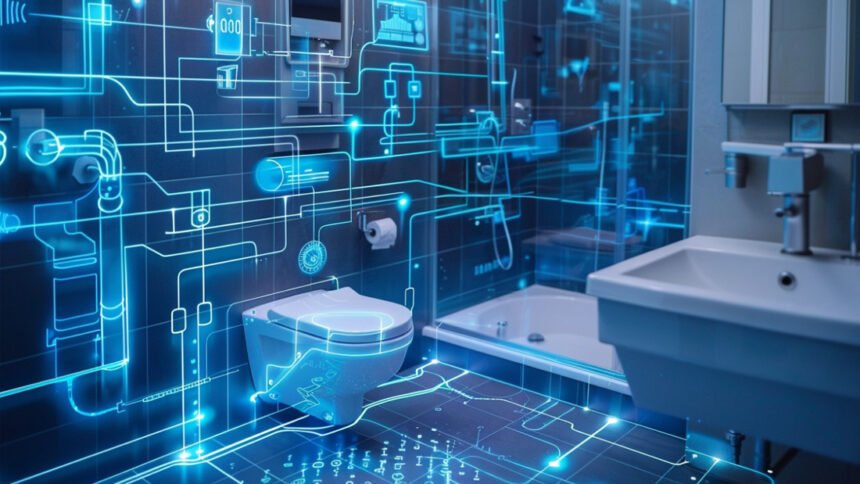
For decades, residential plumbing changed very little. Pipes ran behind walls, water flowed when valves were opened, and homeowners only noticed problems when something failed—often expensively. Leaks went undetected, water waste was invisible, and most systems offered no feedback at all.
That is no longer the case.
Smart plumbing technology is transforming home water systems from passive infrastructure into responsive, data-driven systems. These technologies don’t just react to problems—they anticipate them, monitor performance continuously, and give homeowners unprecedented control over how water is used, protected, and conserved.
This article explains how smart plumbing works, why it matters, and how it is reshaping the future of residential water systems in practical, everyday ways.
The Direct Answer: What Is Smart Plumbing Technology?
Smart plumbing technology refers to connected devices and systems that monitor, control, and optimize water usage in a home using sensors, automation, and real-time data. These systems can detect leaks, track consumption, regulate water flow, and alert homeowners to abnormal activity—often before damage occurs.
Instead of waiting for visible signs of failure, smart plumbing makes water systems proactive, transparent, and far more efficient.
Why Traditional Plumbing Systems Fall Short
Plumbing Has Always Been Reactive
Conventional plumbing systems operate silently until something goes wrong. A pipe leaks. A water heater fails. A toilet runs for weeks unnoticed. In most cases, homeowners discover issues only after:
- Water bills spike
- Walls or ceilings show damage
- Mold or odors develop
- Fixtures stop working properly
By then, repairs are more invasive and costly.
Water Is One of the Least Monitored Utilities
Electricity and HVAC systems have long benefited from smart thermostats, breakers, and energy monitoring. Water, by contrast, has remained largely unmeasured inside the home. Most homeowners see only a monthly bill—with no insight into where, when, or how water is being used.
Smart plumbing closes that gap.
The Core Technologies Behind Smart Plumbing
Smart plumbing systems rely on several key technologies working together:
1. Flow and Pressure Sensors
Installed on the main water supply or at key branches, these sensors track:
- Real-time water flow
- Pressure fluctuations
- Usage patterns over time
By learning what “normal” looks like for a household, systems can flag unusual behavior—such as continuous flow when no fixtures are in use.
2. Automated Shutoff Valves
When abnormal activity is detected, automated shutoff valves can stop water flow instantly. This prevents small leaks from becoming catastrophic events and protects homes when occupants are asleep or away.
3. App-Based Monitoring and Alerts
Most smart plumbing systems connect to mobile apps that provide:
- Live water usage data
- Historical consumption trends
- Leak alerts and notifications
- Manual remote shutoff controls
This visibility fundamentally changes how homeowners interact with their water systems.
Smart Leak Detection: Preventing Damage Before It Starts
Why Leak Detection Is the Biggest Breakthrough
Water damage remains one of the most expensive and disruptive home repairs. What makes it worse is that many leaks are slow and hidden—inside walls, under slabs, or beneath fixtures.
Smart leak detection systems identify problems based on behavior, not visible damage.
How These Systems Detect Leaks
Instead of waiting for moisture sensors to get wet, whole-home systems analyze flow patterns. For example:
- Water running continuously overnight
- Small, consistent flow when no fixtures are active
- Pressure drops inconsistent with normal use
When these patterns appear, the system can alert the homeowner or shut off the water automatically.
Leading examples include Flo by Moen, FloLogic, and Leak Defense.
Practical Benefits for Homeowners
- Early leak detection before structural damage
- Reduced insurance claims and repair costs
- Protection during vacations or extended absences
- Greater confidence in aging plumbing systems
This shift—from reaction to prevention—is one of the most meaningful changes smart plumbing brings.
Water Usage Transparency and Conservation
Seeing Water Use Changes Behavior
When homeowners can see exactly how much water is being used—and where—it often leads to immediate changes. Smart dashboards break down usage by:
- Time of day
- Fixture type (where supported)
- Daily, weekly, and monthly trends
This level of insight makes waste visible for the first time.
Smart Plumbing and Sustainability
Smart systems support water conservation by:
- Identifying inefficiencies like running toilets
- Highlighting excessive irrigation use
- Encouraging data-driven adjustments
In regions facing water scarcity or rising utility costs, this transparency is becoming increasingly valuable.
Smart Water Heaters and Temperature Control
Beyond On and Off
Smart plumbing isn’t limited to pipes and valves. Water heaters are also becoming more intelligent.
Smart water heaters can:
- Adjust temperature based on usage patterns
- Reduce heating during low-demand periods
- Provide alerts for maintenance issues
- Integrate with broader home energy systems
Tankless and hybrid systems benefit especially from smart controls, optimizing energy use without compromising comfort.
Comfort Improvements Homeowners Notice
- More consistent hot water delivery
- Faster recovery during peak usage
- Fewer unexpected outages or failures
These systems reduce guesswork and make hot water more predictable.
Integration With Smart Homes and IoT Systems
Plumbing Joins the Smart Home Ecosystem
Smart plumbing systems increasingly integrate with:
- Voice assistants
- Home automation platforms
- Energy management dashboards
This allows coordinated control—for example:
- Shutting off water automatically when security systems are armed
- Adjusting water heating schedules based on occupancy
- Receiving alerts alongside other home system notifications
Plumbing is no longer isolated infrastructure; it’s part of a connected environment.
Insurance, Risk Reduction, and Long-Term Value
Risk Reduction Is Driving Adoption
Insurance providers are increasingly aware that smart leak detection reduces claims. In some markets, homeowners may qualify for:
- Lower premiums
- Incentives for installing shutoff systems
- Faster claims resolution due to documented data
While policies vary, risk mitigation is a growing driver behind smart plumbing adoption.
Long-Term Financial Impact
Over time, smart plumbing can:
- Reduce water waste
- Prevent major damage events
- Extend the lifespan of plumbing components
- Improve resale appeal
These benefits compound, especially in homes with older infrastructure or complex plumbing layouts.
Addressing Common Concerns About Smart Plumbing
“Is It Overkill for a Single-Family Home?”
Smart plumbing is often assumed to be necessary only for large or high-end homes. In reality, single-family homes may benefit the most—because one undetected leak can affect the entire structure.
“What About Reliability?”
Most systems are designed to fail safely. Shutoff valves default to closed positions in power or connectivity failures, and manual overrides are standard.
“Is Installation Disruptive?”
Many smart plumbing systems install at the main water entry point with minimal intrusion. Retrofits are common and typically do not require major renovations.
The Future of Residential Water Systems
Smart plumbing is still evolving, but the direction is clear. Future systems are expected to:
- Use predictive analytics to flag aging components
- Integrate more tightly with municipal infrastructure
- Improve fixture-level monitoring accuracy
- Support broader sustainability and conservation goals
As water becomes a more closely managed resource, intelligent plumbing systems will likely move from optional upgrade to standard expectation.
Final Perspective
Smart plumbing technology is changing how homes interact with water. By turning invisible systems into transparent, responsive networks, these technologies reduce risk, improve efficiency, and enhance everyday comfort.
What was once a hidden utility is becoming an intelligent system—one that protects homes, conserves resources, and gives homeowners control they’ve never had before.