How can secondary glazing be installed without harming original heritage windows?
Secondary glazing can be fitted internally, without drilling into historic frames or altering original fabric, by using carefully designed, reversible systems that respect traditional timber windows. When specified and installed correctly, it improves warmth, acoustics and comfort while fully preserving the character and integrity of heritage properties.
Owners of period and listed buildings often face a difficult balance: improving comfort and energy efficiency while protecting original windows that may be over a century old. Replacing windows is frequently restricted or prohibited, but living with cold draughts, noise and condensation isn’t ideal either. Secondary glazing offers a proven solution—when it is installed with care, experience and respect for heritage construction.
Here’s how secondary glazing can be installed safely, compliantly and without damage to heritage windows.
- Understand the constraints of heritage windows
Heritage windows are fundamentally different from modern units. Original timber frames, hand-formed glass, slender glazing bars and historic joinery details must be preserved. Any intervention should be:
- Internally fitted only
- Fully reversible
- Non-destructive to original frames
- Visually discreet
This is why secondary glazing is widely accepted for listed buildings and conservation areas—it works with the existing window, not against it. Specialist systems designed specifically for heritage use are essential. Use non-invasive fixing methods
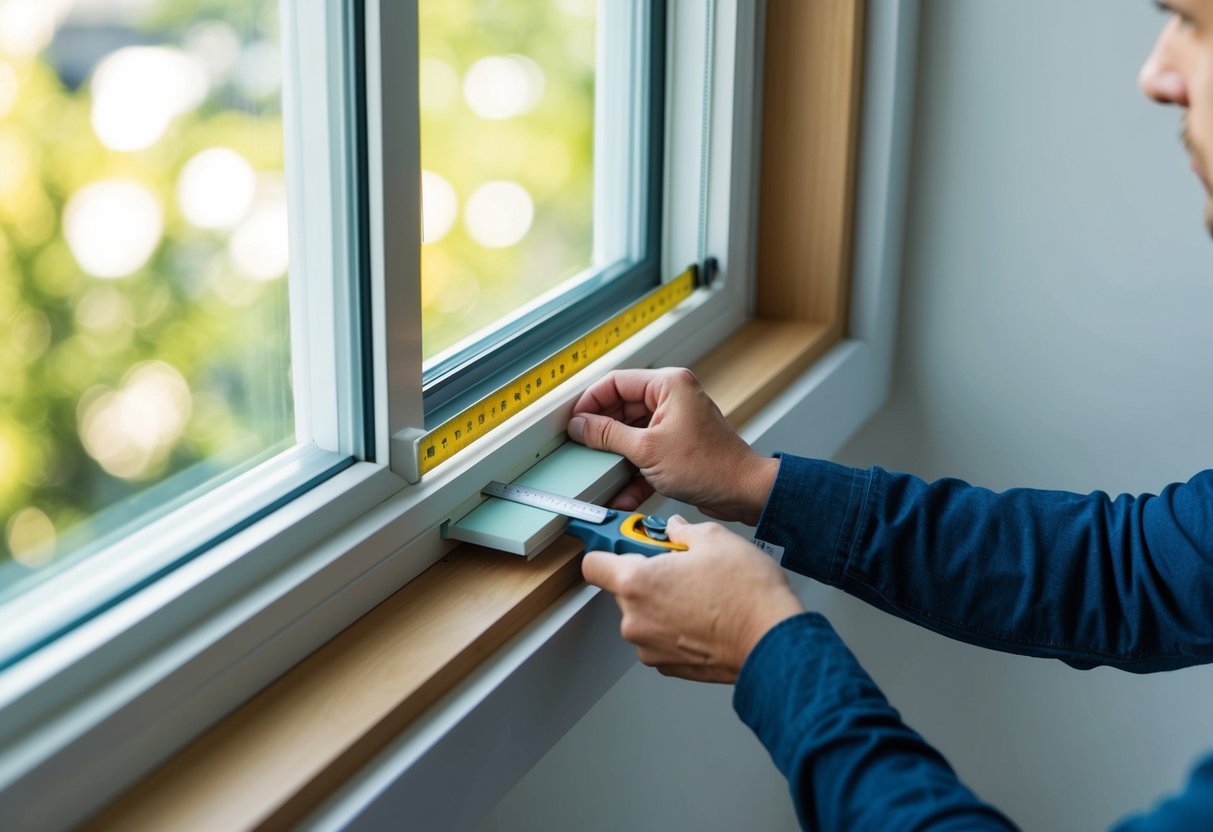
The key to protecting heritage windows is how the secondary glazing is fixed. High-quality systems are installed into surrounding reveals or discreet internal linings rather than original timber frames. This avoids drilling, screwing or cutting historic joinery. Where fixings are required, they are minimal, concealed and fully reversible, ensuring the building fabric can be returned to its original state if needed in the future.
- Choose the right secondary glazing system
Not all secondary glazing is suitable for heritage properties. The correct system depends on window type, access needs and visual sensitivity.
- Sliding systems suit sash windows and allow regular operation
- Hinged units provide easy access for cleaning and ventilation
- Lift-out panels are ideal where windows are rarely opened
- Fixed units offer maximum thermal and acoustic performance
All systems should be slim-profile, colour-matched and proportioned to sit quietly behind the original window without visual dominance.
- Preserve ventilation and moisture balance
Older buildings rely on natural airflow. Poorly specified glazing can trap moisture and cause condensation issues. Heritage secondary glazing must be designed to maintain ventilation paths and manage airflow correctly. Professional installation ensures the system improves comfort without disrupting the building’s natural behaviour—something generic or DIY solutions often fail to achieve.
- Work with heritage glazing specialists
The most important factor is experience. Heritage windows vary enormously in size, alignment and construction. Bespoke manufacturing and careful surveying are essential to ensure each unit fits perfectly without stressing the original frame. Skilled joinery-led installation protects delicate timber, mouldings and plasterwork while delivering long-term performance improvements.
Quick checklist: will secondary glazing damage heritage windows?
- Is the system installed internally only?
- Are original frames left untouched?
- Are fixings minimal and reversible?
- Is ventilation properly considered?
- Has the installer worked on listed or period buildings before?
If the answer to all of these is yes, secondary glazing can be installed safely and responsibly.
FAQs
- Is secondary glazing allowed in listed buildings?
Yes. It is one of the most commonly approved upgrades because it preserves the external appearance and original fabric of the building.
- Does secondary glazing require drilling into original windows?
No. Proper heritage systems avoid fixing into original frames and are designed to be non-invasive and reversible.
- Can secondary glazing be removed in the future?
Yes. High-quality secondary glazing can be fully removed with no lasting damage to the original window or surrounding fabric.
- Will it change the appearance of my heritage windows?
From the outside, no change at all. Internally, well-designed systems are slim, discreet and visually unobtrusive.
- Does secondary glazing really improve comfort?
Absolutely. It significantly reduces heat loss, draughts and noise while maintaining the character of historic windows.
Ready to improve comfort without compromising character?
If you’re considering secondary glazing in listed buildings or heritage property, speak to H&C Joinery about discreet, non-invasive solutions designed specifically for historic windows.