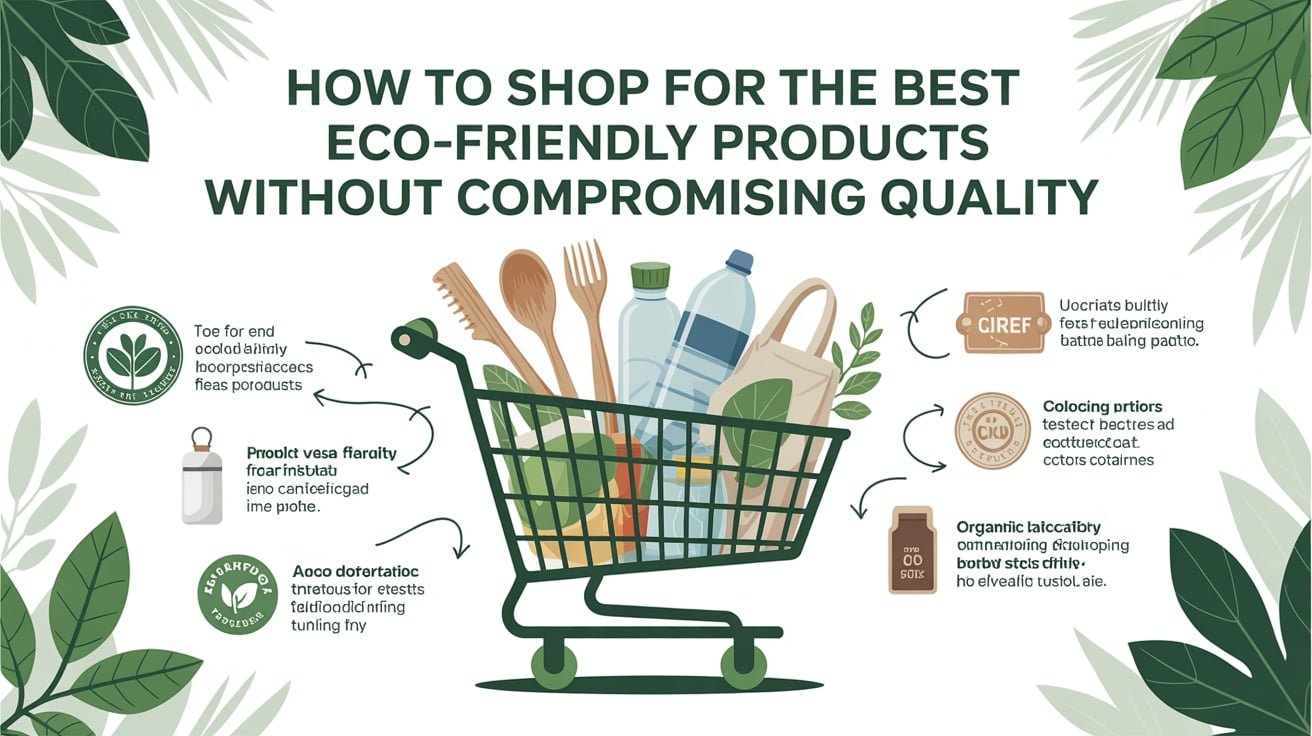
Choosing responsible items has become a thoughtful habit for people who care about long-term value. Many shoppers now seek options that protect resources while still offering strength plus reliability. The challenge often lies in balancing trust with awareness. Some items claim responsibility yet fail to deliver lasting use. Smart buying requires attention, patience plus basic knowledge. When choices are guided by purpose plus clarity, quality does not suffer. With careful steps, anyone can build a routine that supports nature while meeting daily needs. This approach builds confidence, reduces waste plus strengthens mindful purchasing habits over time.
Understanding Green Labels
Many shoppers feel unsure when viewing claims related to natural care. The first step involves learning how labels communicate purpose plus value. To shop the best eco friendly products with confidence, you must read beyond surface wording. Look for clear statements that explain sourcing plus processing. Honest labels share material origin plus usage life. Vague claims often hide shortcuts. Awareness here protects both the budget plus expectations. When labels speak plainly, they usually reflect higher standards. This habit helps buyers avoid poor choices while supporting responsible makers.
Quality Material Checks
Before trusting any responsible item, it helps to review how it feels plus performs. Strong materials often signal longer use plus reduced waste. Texture weight plus finish gives early clues about durability. A well-made item resists quick damage plus keeps its function over time. Shoppers who inspect carefully avoid frequent replacement. Quality checks ensure that responsibility does not replace usefulness. This step strengthens trust in purchases while maintaining value.
Short evaluation habits support better outcomes during regular shopping moments.
• Review surface strength using hands plus simple pressure to test resilience
• Observe stitching joints plus bonding to judge construction quality
• Compare thickness, density plus firmness for long-lasting performance
• Check instructions for care to ensure extended usable life
Research Brand Values
Trust grows when buyers understand who creates the item. Brands that care about resources often share goals openly. Their messaging focuses on responsibility rather than loud claims. Research helps reveal sourcing methods plus labor ethics. Transparency builds confidence before purchase. When values align, quality often follows naturally. This step helps avoid misleading promises while supporting genuine efforts. Informed shoppers feel secure about long-term use plus impact.
Price Value Balance
Responsible items sometimes cost more at first glance. The key lies in judging overall value rather than initial amount. Lower-priced goods may need frequent replacement, which increases waste plus cost. A balanced view compares lifespan plus performance. Smart buyers calculate value over time. This habit reduces regret plus supports stable budgeting.
Careful price evaluation requires attention plus patience during selection.
• Measure usage duration against cost to find real worth
• Avoid impulse choices driven by discounts without quality proof
• Compare similar items based on strength plus maintenance needs
• Choose durability over short-term savings for better results
Certification Awareness
Reliable certifications guide buyers toward better decisions. These marks reflect testing plus standards set by independent groups. Understanding symbols helps avoid confusion. Real certifications explain the criteria clearly. Fake symbols often lack detail. Awareness protects buyers from green claims without proof. This step ensures responsibility plus performance work together.
Responsible Shopping Habits
Good habits shape consistent results over time. Planning purchases reduces rushed decisions. Buying fewer items with better build lowers waste. Repair, reuse plus proper care extend product life. Conscious habits protect resources while keeping quality intact. This approach shifts focus from quantity to usefulness. Over time, it builds a thoughtful routine that supports lasting satisfaction.
Simple routines help maintain balance during everyday buying choices.
• Plan needs before shopping to reduce unnecessary buying
• Maintain items carefully to extend usable lifespan
• Reuse packaging where possible to limit disposal
• Select timeless designs that remain useful longer
Online Product Reviews
Feedback from real users offers valuable insight. Reviews reveal performance over time plus common issues. Reading balanced opinions helps identify strengths plus weaknesses. Look for detailed explanations rather than short praise. Patterns in feedback often reflect true quality. This step reduces risk when buying without physical inspection.
Review analysis supports confident decisions during online selection.
• Read long-term usage comments for durability insights
• Notice repeated concerns that signal potential flaws
• Focus on functional feedback rather than emotional reactions
• Compare reviews across platforms for a balanced understanding
Smart Sustainable Choices
Responsible shopping does not require sacrifice. It requires clarity, patience plus intention. By learning label-checking materials, researching brands plus valuing durability, shoppers protect both quality plus resources. Each step builds confidence. Over time, these habits form a reliable method for better buying.
Lasting Smart Choices
Thoughtful buying brings lasting rewards for both people plus surroundings. When shoppers apply clear checks, they avoid waste plus disappointment. Focusing on value transparency plus strength leads to reliable outcomes. Responsible habits grow with practice. Each informed decision supports better production standards while meeting daily needs. Over time, confidence replaces doubt. By continuing to shop for the best eco friendly products, buyers protect resources while enjoying dependable use. This balanced approach proves that care plus quality can move forward together through mindful choices.