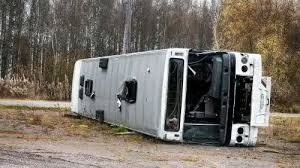
Getting hurt on public transportation can leave you shaken. One moment you’re commuting like usual. The next, you’re dealing with pain, confusion, and a lot of unanswered questions. Subways stop short. Buses jerk forward. Platforms get crowded and slippery. Accidents happen fast.
What you do right after matters more than most people realize. Many injured riders make simple mistakes that later cost them time, money, or the chance to recover damages at all. This guide walks you through the most common ones, so you know what to avoid if it ever happens to you.
Mistake #1: Not Taking the Injury Seriously at First
This is the most common one. You stand up, feel sore, but tell yourself you’re fine. You don’t want to make a scene or be late for work.
Hours or days later, the pain shows up. Neck injuries, back issues, and head injuries often don’t hurt right away. By then, you’ve already left the scene and created a gap in your story.
If something feels off, trust that instinct. Even mild symptoms matter when an accident involves a subway, bus, or train.
Mistake #2: Skipping Medical Care
Some people wait days to see a doctor. Others never go at all.
That delay can hurt you in two ways. First, untreated injuries can get worse. Second, a lack of medical records makes it harder to connect your injury to the accident later.
Medical records are not just for treatment. They create a timeline. They show what happened and when. If you get hurt on public transportation, get checked out as soon as you can, even if the injury seems small.
Mistake #3: Failing to Report the Incident
Many riders assume the transit authority already knows what happened. That’s not always true.
If you don’t report the accident, there may be no official record tying your injury to that bus, train, or station. This is especially important with MTA-related incidents, where strict notice rules apply.
Filing a report helps document the time, location, and conditions. It also makes it easier to request video footage or witness information later if needed.
If you’re unsure how these claims work, it helps to understand how MTA accident claims in New York are handled, since they follow different rules than typical injury cases.
Mistake #4: Not Collecting Basic Evidence
You don’t need to play detective. But a few quick steps can make a big difference.
If you’re able, take photos of:
- The area where the accident happened
- Wet floors, broken steps, or overcrowding
- Your visible injuries
If anyone saw what happened, ask for their name and contact info. Transit cameras don’t last forever, and witness memories fade quickly. Small details gathered early can matter later.
Mistake #5: Assuming All Injury Claims Work the Same Way
This is where many people get tripped up.
Injuries involving public transportation often fall under different rules than car accidents or private property cases. When a government agency like the MTA is involved, deadlines can be much shorter. Paperwork is stricter. Missing one step can end your claim before it starts.
According to the New York City Comptroller’s Office, claims against the city and its agencies—including transit-related injury claims—make up a significant portion of personal injury filings each year, and many are dismissed due to procedural issues rather than lack of injury.
That’s not meant to scare you. It’s meant to show how important timing and process can be.
Mistake #6: Talking Too Freely Without Understanding the Impact
After an accident, you may be contacted by transit employees or claims representatives. Some questions seem casual. Others feel routine.
Be careful with offhand comments like “I’m okay” or “It wasn’t that bad.” Those statements can get written down and later used to question how serious your injury really was.
You don’t need to argue or refuse to speak. Just stick to the facts. You were injured. You sought care. You’re still being evaluated.
Mistake #7: Waiting Too Long to Ask Questions
People often wait until bills pile up or symptoms worsen before looking for answers. By then, key deadlines may already be gone.
Even if you’re not sure you want to pursue a claim, learning about your options early gives you control. It helps you make decisions instead of reacting to problems later.
Mistake #8: Expecting Quick Resolution
Public transportation injury cases rarely move fast. There are more steps, more reviews, and more delays compared to private injury claims.
This can be frustrating, especially when you’re dealing with medical appointments and missed work. Knowing upfront that the process takes time can help set realistic expectations and reduce stress.
Mistake #9: Downplaying the Long-Term Impact
Some injuries heal. Others don’t.
A knee injury might affect how long you can stand. A back injury may change how you work. Even if you recover, the process can take months.
When you focus only on the immediate pain, you may overlook future costs like physical therapy, reduced work hours, or ongoing care.
Mistake #10: Trying to Handle Everything Alone
Wanting to handle things yourself is understandable. But public transportation injury cases involve layers of rules most people don’t deal with every day.
At minimum, you should understand what applies to your situation, what deadlines exist, and what paperwork matters. Even a short conversation with the right resource can clarify a lot.
Final Thoughts
Getting injured on public transportation is stressful enough. The mistakes people make afterward usually come from confusion, not carelessness.
Take the injury seriously. Get medical help. Document what you can. Learn the rules that apply to transit-related accidents. Those steps don’t guarantee a perfect outcome, but they put you in a much stronger position.
If you ever find yourself hurt during a subway ride or bus commute, slow down, take care of yourself, and don’t assume it will all sort itself out. A few smart choices early on can make a real difference later.