
Pool Enclosures play a much bigger role than simply covering your swimming areathey directly influence how comfortable, usable, and energy-efficient the pool environment becomes throughout the year. When an enclosure traps warm air, controls humidity, and reduces temperature fluctuations, it dramatically improves the swimming experience. But without proper climate planning, the same enclosed space can overheat, fog up, or feel uncomfortably humid.
Understanding how temperature, ventilation, and moisture work together is essential for keeping an enclosed pool safe, enjoyable, and functional in every season. This guide breaks down how climate control works, what systems support it, and how different enclosure materials and designs impact the indoor environment.
How Pool Enclosures Regulate Temperature Naturally
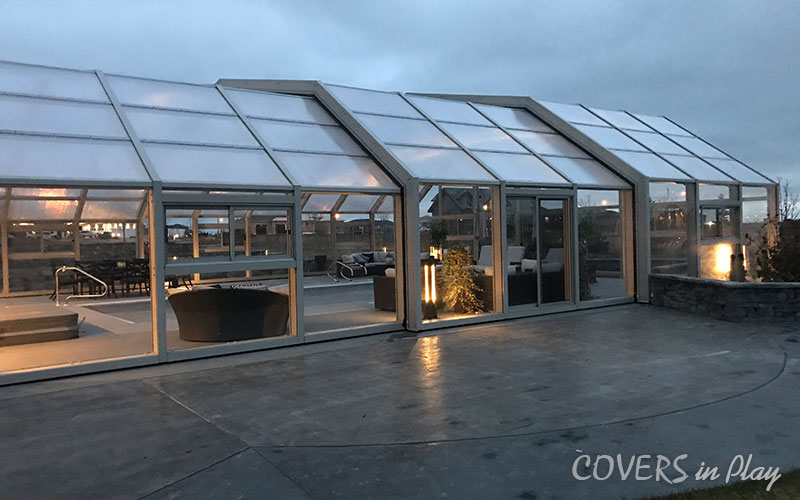
One of the most overlooked advantages of a Pool Enclosure is its natural ability to moderate temperature without any mechanical systems. Because they trap solar heat, enclosed pools tend to stay warmer than open-air poolsespecially in cooler months. The transparent or semi-transparent panels allow sunlight to enter while preventing significant heat loss, creating a mild greenhouse effect.
At night, the enclosure helps retain warmth by minimizing wind exposure and reducing evaporation, which is a major cause of heat loss in uncovered pools.
The design plays a role too: curved enclosures improve warm-air circulation, while taller or high-roof structures hold more stable air. Even material thickness affects temperature consistency. While this natural regulation is helpful, most homeowners still add mechanical climate systems for fine control.
Climate Control Systems Used in Pool Enclosures
To maintain a stable, comfortable environment, many enclosed pools rely on a combination of heating, ventilation, and humidity-control systems.
Heating Systems
Gas heaters, electric heaters, and solar heating panels help offset colder weather. These systems stabilize water temperature and keep the surrounding air comfortable, especially in large enclosures.
Dehumidifiers
Humidity management is critical. Without it, warm air meeting cool surfaces creates condensation, fogging, and even mold. A dehumidifier removes excess moisture and prevents the enclosure from becoming sticky or damp.
Ventilation Fans and Roof Vents
Vent fans allow stale, warm air to escape while pulling in fresh air. Retractable roof vents provide natural airflow and reduce the risk of overheatingespecially in summer.
Air Exchangers
Air exchangers continuously replace humid air with fresh outdoor air. This improves air quality, reduces mold risk, and helps regulate temperature naturally.
These systems ensure Pool Enclosures stay usable year-round without discomfort.
Types of Pool Enclosures and Their Climate Behavior
Not all enclosures behave the same when it comes to temperature and humidity.
Retractable Pool Enclosures
Retractable models offer maximum flexibility. They let you open or partially adjust the enclosure to release heat, increase airflow, and prevent excessive moisture buildup. Because of this, they require fewer mechanical climate systems.
Fixed Pool Enclosures
Fixed structures maintain a steady indoor climate, but they often need additional ventilation, heating, or dehumidifying equipment. They are ideal for year-round indoor-style swimming.
Low-Profile vs High-Profile Designs
Low-profile designs retain heat efficiently and are best for mild climates.
High-profile structures allow more air circulation and support larger climate systems but may require extra heating in winter.
Choosing the right design ensures that Pool Enclosures behave consistently across seasons.
Seasonal Climate Challenges and How Enclosures Handle Them
Every season brings its own climate challenges, and an enclosure performs differently depending on weather conditions.
Winter
Cold air outside creates heat loss and condensation inside. Proper insulation, heating, and dehumidifying keep winter swimming comfortable.
Summer
Overheating is the biggest issue. Ventilation systems, openable panels, and UV-resistant materials help maintain cooler temperatures.
Humid or Rainy Seasons
Moisture buildup becomes common. Ventilation fans and air exchangers prevent fogging and mold.
Well-designed Pool Enclosures manage these seasonal shifts with minimal manual intervention.
Materials That Improve Climate Control
The material used in the structure directly shapes how the enclosure handles temperature, light, and moisture.
Polycarbonate Panels
Polycarbonate is lightweight, durable, and excellent at diffusing sunlight while minimizing heat loss. It also resists UV rays, keeping temperatures stable.
Glass Panels
Glass offers a premium appearance and excellent clarity, but it can trap more heat and may require stronger climate systems to regulate temperature.
Insulated Panels
These are ideal for colder climates. They provide better thermal control and reduce condensation problems.
Aluminum Frames
Aluminum is sturdy, non-corrosive, and efficient at supporting temperature-control features.
Selecting the right combination ensures Pool Enclosures stay stable and comfortable year-round.
Energy Efficiency Tips for Enclosed Pools
A well-designed climate strategy doesn’t just improve comfort, which is essential for reducing long-term energy costs.
- Use thermal pool covers to prevent heat loss when the pool isn’t in use.
- Install smart thermostats to monitor and manage temperature automatically.
- Choose heaters that match pool size and enclosure design to avoid energy waste.
- Ensure proper insulation and sealing, especially around doors and roof joints.
- Maintain balanced airflow to reduce humidity and support natural temperature control.
These small optimizations help Pool Enclosures perform better with lower energy usage.
Common Climate Control Issues and How to Fix Them
Even well-built enclosures can face climate challenges. The good news? Most problems have simple solutions.
Fogging and Condensation
Usually caused by temperature imbalance or humidity. Solution: dehumidifier or improved ventilation.
Mold and Moisture Buildup
Often due to poor air circulation. Solution: air exchangers and regular cleaning.
Uneven Heating
This occurs when air pockets form. Solution: adjust airflow with fans or vents.
Overheating in Summer
Retractable roof panels or shading materials can prevent temperature spikes.
Addressing these issues ensures Pool Enclosures remain safe and comfortable.
Conclusion
A well-designed climate strategy is the foundation of long-term comfort, safety, and usability for Pool Enclosures. When temperature, humidity, and airflow are balanced, homeowners enjoy year-round swimming without discomfort or excess energy costs. From material selection to ventilation systems, every choice shapes how effectively the enclosure maintains the ideal environment. By understanding how climate control works and planning, you can create a stable, enjoyable, and efficient enclosed pool space that performs well in every season.