

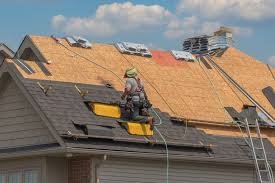
A roof is designed to provide dependable protection for many years, but no roofing system lasts forever. Over time, materials wear down, exposure accumulates, and small issues become more frequent. Homeowners often struggle to determine when ongoing maintenance is enough and when a larger decision must be made. Understanding the warning signs helps remove uncertainty and supports better planning.
Many roofs reach a tipping point where repairs become less effective and more costly. At this stage, the goal shifts from extending lifespan to restoring full protection and reliability. This decision is not about reacting to a single problem, but about recognizing patterns that indicate broader system failure. This long-term approach is often emphasized by Ridge Runner Roofing when helping homeowners evaluate roof condition.
Knowing when to move forward allows homeowners to plan responsibly rather than wait for emergency situations. Awareness of key indicators makes the difference between controlled planning and rushed decisions.
Increasing Frequency of Repairs
One of the clearest warning signs is the need for repeated repairs. When the same areas continue to fail or new problems appear regularly, it suggests that materials are reaching the end of their service life.
While isolated repairs are normal, frequent issues indicate widespread wear. At this stage, continued patching often provides diminishing returns.
Widespread Shingle Deterioration
Shingles protect the roof from water and weather, but they degrade over time. Curling, cracking, or missing shingles across multiple sections suggest systemic aging rather than localized damage.
When deterioration is widespread, replacing individual shingles becomes less effective, signaling the need for broader action.
Granule Loss Across Large Areas
Granules protect shingles from sun exposure and help manage heat. Over time, granules wear away, especially on older roofs.
Finding excessive granules in gutters or downspouts indicates that protective layers are breaking down, reducing the roof’s ability to resist weather.
Persistent or Multiple Leaks
Occasional leaks may be repairable, but persistent or multiple leaks are a serious concern. Water intrusion in different areas often means underlying materials are compromised.
When leaks continue despite previous fixes, the roof is no longer providing consistent protection.
Sagging or Uneven Roof Lines
A sagging roofline is a strong indicator of structural issues. This condition often results from prolonged moisture exposure or weakened supports.
Structural deformation is not something repairs can reliably correct and should prompt immediate evaluation.
Age Beyond Expected Lifespan
Every roofing material has an expected lifespan. When a roof reaches or exceeds this timeframe, performance naturally declines.
Even if no major issues are visible, aging materials are more likely to fail under stress, making proactive planning wise.
Storm Damage Compounding Existing Wear
Storms can accelerate deterioration on older roofs. Wind, hail, and heavy rain exploit weakened areas, increasing the rate of damage.
If storm damage repeatedly affects different sections, it may indicate that the roof can no longer withstand environmental stress effectively.
Rising Energy Costs Without Explanation
Roof condition affects insulation and ventilation. When materials degrade, energy efficiency often declines.
Unexplained increases in heating or cooling costs may point to roof-related inefficiencies caused by moisture intrusion or ventilation problems.
Interior Signs of Ongoing Moisture
Water stains, peeling paint, or mold growth inside the home often trace back to roof failure. These signs suggest moisture has bypassed protective layers.
Interior damage usually reflects long-term exposure rather than a single event, indicating deeper issues.
Flashing Failures in Multiple Areas
Flashing protects roof transitions such as chimneys and vents. When flashing fails in several locations, it often reflects overall material fatigue.
Repeated flashing issues reduce confidence in the roof’s overall integrity.
Repairs No Longer Matching Roof Condition
New repairs on old materials often stand out visually. While appearance alone is not the main concern, it highlights uneven aging.
This mismatch can also indicate that repairs are being applied to a system that is already past its prime.
Increasing Maintenance Costs
As roofs age, maintenance costs typically rise. Frequent service visits and temporary fixes add up over time.
When annual maintenance approaches the cost of replacement planning, it may be time to reconsider long-term strategy.
Limited Effectiveness of Recent Repairs
If recent repairs fail to provide lasting results, it suggests that underlying problems remain unresolved.
This cycle often signals that the roof has reached a point where replacement offers better reliability.
Reduced Confidence During Heavy Weather
Homeowners often develop a sense of how their roof performs. Anxiety during storms may indicate declining trust in its condition.
Loss of confidence is often based on experience with leaks or damage and should not be ignored.
Impact on Home Value and Inspections
A failing roof can affect property value and complicate inspections. Buyers and inspectors look closely at roof condition.
Signs of extensive wear may raise concerns that affect negotiations or future planning.
Planning Versus Emergency Decisions
Recognizing warning signs early allows homeowners to plan replacement on their own timeline.
Waiting until failure occurs often leads to rushed decisions and higher costs.
The Role of Professional Evaluation
Determining whether replacement is necessary requires experience. Professionals evaluate surface condition, structure, and performance together.
Ridge Runner Roofing provides assessments that help homeowners understand whether continued maintenance is practical or if replacement is the safer option.
Balancing Cost and Long-Term Protection
Replacement represents a larger investment, but it restores full protection and reliability.
Weighing short-term costs against long-term risk helps homeowners make informed decisions.
Preparing for the Transition
Once signs point toward replacement, preparation becomes important. Budgeting, scheduling, and material selection all benefit from early planning.
This preparation reduces stress and improves outcomes.
Why Waiting Often Increases Risk
Delaying action after clear warning signs increases the chance of interior damage and emergency repairs.
Long-Term Benefits of Taking Action
A new roof improves safety, efficiency, and peace of mind. It also resets maintenance expectations for years to come.
Replacement restores confidence and reduces ongoing concern.
Conclusion
Knowing when it is time to move beyond repairs is essential for protecting both your home and your budget. Widespread deterioration, recurring leaks, rising maintenance costs, and structural warning signs all point toward a transition that should not be delayed.
Roof Replacement becomes the most reliable solution once a roof reaches the end of its effective lifespan. With informed planning and guidance from Ridge Runner Roofing, homeowners can approach this decision confidently, restoring full protection and ensuring long-term stability for their home.