Why Construction Needs a Smarter System
Construction has always been one of the toughest industries to manage. Projects are big, timelines are tight, and budgets can shift overnight. For years, builders have struggled with the same problems: wasted materials, unpredictable labor, delayed schedules, and expensive mistakes. But a major shift is underway. Artificial intelligence is stepping in to help construction companies build faster, safer, and smarter.
AI tools now track material usage, predict supply shortages, and analyze work patterns in real time. Instead of waiting for issues to show up, project managers get alerts before anything goes wrong. This means fewer reworks, fewer delays, and more accurate planning. As more companies adopt AI, the industry is discovering that smart technology is not replacing workers. It is empowering them.
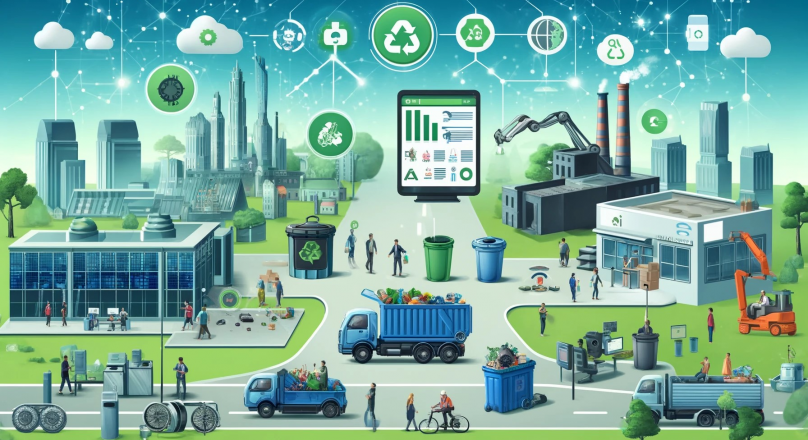
There is also a shift toward sustainability. Construction waste accounts for millions of tons of debris every year, much of it preventable. AI helps reduce this waste by optimizing design, ordering the exact amount of material needed, and improving energy use in both buildings and equipment. These improvements save money, reduce stress, and help teams deliver better results.
One business leader who understands the importance of smart and efficient systems is Lara Woodham, Owner of Rowlen Boiler Services.
“When I work on heating installations, I always look for ways to cut waste and energy use. I have learned that small efficiency changes can create big savings for clients. I enjoy using smarter systems like heat pumps to help homes stay warm without unnecessary strain. When we blend experience with new technology, the whole process becomes cleaner and more cost-effective.”
How AI Cuts Down Waste and Strengthens Planning
One of the biggest challenges in construction is material waste. Many projects over-order supplies out of fear of shortage. Others miscalculate measurements and lose money on unused materials. But AI can scan blueprints, estimate needs, and create precise lists that match the project’s real size. This keeps costs down and prevents tons of debris from reaching landfills.
AI can also spot design flaws early. Instead of discovering errors during the build, teams can fix mistakes while the structure is still digital. This prevents the expensive demolition and rebuilding that often happens on traditional jobs.
Labor productivity is another major focus. AI tools can measure how long tasks actually take, spot slowdowns, and show managers where extra training or support is needed. By studying patterns, AI helps teams adjust schedules so workers are not overwhelmed. Better planning leads to safer sites and more satisfied crews.
These ideas show up in industries beyond construction too. Justin Carpenter, Founder of Jacksonville Maids, has seen how process improvements save time and reduce waste in his own service business.
“When I schedule cleaning teams, I pay close attention to timing patterns and task flow. I have found that better planning creates smoother days for everyone. I enjoy using simple tools to help my team avoid wasted time or missed steps. When you get the workflow right, quality rises and costs stay under control.”
Smarter Safety, Stronger Teams, and Better Project Flow
AI is also improving safety, which has always been a major concern in construction. Cameras powered by AI can detect unsafe behavior, alert supervisors, and guide workers before accidents happen. For example, if someone forgets to wear protective gear or enters a restricted area, the system sends an instant warning. This keeps crews safe while reducing expensive injury-related delays.
AI forecasting tools help managers see risk factors like weather changes, supply delays, or workload spikes. Instead of reacting too late, teams make adjustments earlier. This proactive approach reduces stress and improves teamwork because everyone feels more supported and prepared.
Smart scheduling also leads to more efficient labor use. Instead of guessing how many workers are needed each day, AI calculates it based on project size, weather forecasts, and real performance data. This cuts overtime costs and prevents burnout.
Real estate professionals are seeing similar benefits in their own fields. Peter Kim, Director of Odigo Real Estate Club, uses data-driven systems to help clients make better decisions.
“When I work with buyers, I try to show them how smart tools can save them time and money. I have seen people feel more confident when they understand the numbers behind a property. I enjoy teaching clients how to evaluate long-term value the same way investors do. When we use data to guide choices, both safety and success improve.”
AI Brings Real-World Savings Across the Industry
Construction companies that adopt AI are already seeing major improvements. Some report cutting material waste by 30 percent. Others say project schedules run weeks faster. Even small contractors can benefit because AI tools today are affordable and easy to use.
For example, AI can track deliveries and update the team if anything arrives late or damaged. It can measure a worker’s progress without interrupting them. It can analyze weather patterns and weather-proof the schedule. These tools replace stress with clarity, allowing teams to focus on quality instead of chaos.
AI also helps with long-term maintenance planning. Buildings equipped with smart systems can predict equipment failures before they happen. Heating, cooling, and plumbing systems report performance changes that signal needed repairs. This prevents expensive breakdowns and protects property owners from surprise costs.
Leaders in service industries like Lara Woodham of Rowlen Boiler Services already see the value of early detection.
“When I service boilers, I rely on tools that tell me when parts are beginning to fail. I have watched clients save thousands of pounds by catching issues early. I enjoy showing homeowners how small changes protect their systems for years. When we focus on prevention, breakdowns become much less common.”
AI Helps the Entire Supply Chain Work Smarter
Construction involves suppliers, drivers, contractors, inspectors, engineers, and homeowners. AI connects all of them through real-time data. When one part of the chain changes, the whole system adjusts automatically. This reduces confusion and shortens communication delays that used to slow projects down.
Inventory tracking becomes more reliable. Equipment sharing becomes easier because AI shows what tools are available and where they are located. Teams no longer lose time searching for equipment or waiting for missing items. These small improvements add up to major financial savings.
Other industries see similar benefits through digital coordination. Justin Carpenter of Jacksonville Maids knows how smoother logistics make a difference.
“When my team arrives with the right tools and the right plan, everything runs better. I have learned that preparation protects both quality and morale. I enjoy building systems that help my staff feel supported instead of rushed. When things flow smoothly, clients notice and appreciate the difference.”
Conclusion: AI Builds Better, Faster, and Cleaner Futures
Smart build economics is not about replacing workers with machines. It is about giving workers better tools, clearer data, and safer environments. AI reduces waste, improves planning, and cuts costs across every phase of construction. From early design to final inspection, AI helps builders work with confidence instead of uncertainty.
As more companies adopt these tools, the industry will continue to evolve. Homes will be built faster. Buildings will last longer. Projects will run smoother. And teams will feel more supported and prepared.
The future of construction is not only stronger. It is smarter.