Introduction
Oohmage and molded case circuit breakers are closely connected when it comes to building safe and reliable electrical systems. Many people focus only on voltage and current, but Oohmage plays a major role in how electricity flows and how equipment stays protected. When Oohmage is well managed, electrical systems work smoothly and last longer.
Molded case circuit breakers are designed to protect circuits from damage caused by overloads and short circuits. Their performance depends a lot on resistance, which is measured as Oohmage. Understanding this connection helps engineers, technicians, and even building owners choose better electrical protection and avoid costly failures.
Understanding Oohmage in Electrical Systems
Oohmage is the measure of electrical resistance in a circuit. It controls how easily electric current can flow through wires and devices. When Oohmage is too high, current flow becomes weak, and equipment may not work as expected. When Oohmage is too low, too much current can flow, increasing the risk of overheating and damage.
In real-world electrical systems, Oohmage is affected by wire size, material, temperature, and connection quality. Proper Oohmage levels help maintain balance between safety and performance. This balance is very important for protective devices like molded case circuit breakers, which rely on predictable resistance to function correctly.
What Are Molded Case Circuit Breakers
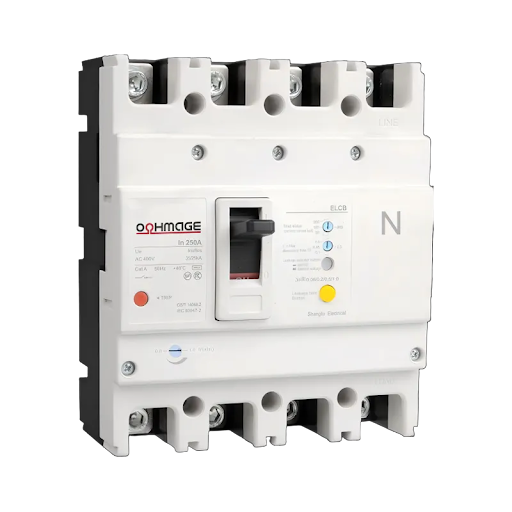
Molded case circuit breakers are protective devices used in homes, commercial buildings, and industrial facilities. They are housed in a strong molded case that protects internal parts from dust, moisture, and physical damage. These breakers automatically stop electrical flow when they detect unsafe conditions.
Unlike simple fuses, molded case circuit breakers can be reset and reused. They are built to handle higher currents and more demanding environments. Their reliability depends on accurate sensing of current changes, which is directly influenced by Oohmage within the circuit and the breaker itself.
Why Oohmage Matters for Circuit Breaker Reliability
Oohmage affects how current behaves during normal operation and during fault conditions. Molded case circuit breakers are calibrated to trip at specific current levels. If resistance changes unexpectedly, the breaker may trip too early or too late, both of which can cause problems.
Stable Oohmage ensures that molded case circuit breakers respond correctly to overloads and short circuits. When resistance is controlled, breakers can sense heat and magnetic changes accurately. This improves safety and reduces the risk of equipment damage, fires, and power outages.
The Role of Oohmage in Overload Protection
Overloads happen when too much current flows for a long time. This excess current creates heat, which can damage wires and devices. Oohmage helps limit and control this current flow, working together with molded case circuit breakers to protect the system.
When Oohmage is properly calculated and maintained, molded case circuit breakers can detect overload conditions early. They then trip before heat reaches dangerous levels. This teamwork between resistance and protection devices keeps electrical systems safe and dependable.
Short Circuit Performance and Oohmage
Short circuits occur when current takes an unintended path with very low resistance. In these cases, Oohmage drops suddenly, and current rises sharply. Molded case circuit breakers must react very fast to stop this surge.
The design of molded case circuit breakers takes Oohmage into account to ensure fast and accurate tripping. Proper resistance levels help the breaker sense the fault instantly. This quick response reduces damage to equipment and lowers the risk of electrical fires.
Material Quality and Its Effect on Oohmage
The materials used in wires, contacts, and breaker components strongly affect Oohmage. Copper and aluminum are common conductors, each with different resistance levels. Poor-quality materials can increase Oohmage and reduce efficiency.
High-quality molded case circuit breakers are built with materials that maintain stable Oohmage over time. This stability ensures consistent performance even under heavy loads. Choosing good materials helps breakers last longer and perform better in demanding conditions.
Temperature Changes and Oohmage Stability
Temperature has a direct impact on Oohmage. As temperature rises, resistance usually increases. This can affect how molded case circuit breakers sense current and heat.
Reliable molded case circuit breakers are designed to handle temperature-related changes in Oohmage. They are tested under different conditions to ensure accurate operation. This design consideration makes them suitable for various environments, from cool offices to hot industrial settings.
Installation Practices and Oohmage Control
Correct installation plays a big role in maintaining proper Oohmage. Loose connections, undersized wires, and poor contact surfaces can all increase resistance. This can lead to false trips or delayed protection.
Professional installation ensures that molded case circuit breakers work with the intended Oohmage levels. Tight connections and proper conductor sizing help maintain consistent resistance. This results in better performance and fewer electrical problems over time.
Maintenance and Monitoring of Oohmage
Over time, wear and tear can change Oohmage in electrical systems. Corrosion, dust, and aging components can increase resistance. Regular maintenance helps identify these issues early.
By monitoring Oohmage and inspecting molded case circuit breakers, technicians can ensure continued reliability. Maintenance helps prevent unexpected failures and extends the life of electrical equipment. This proactive approach saves money and improves safety.
Energy Efficiency and System Performance
Balanced Oohmage improves energy efficiency by reducing wasted heat. When resistance is too high, energy is lost as heat, increasing operating costs. Molded case circuit breakers support efficient systems by working best within proper resistance ranges.
Efficient systems place less stress on breakers and other components. This reduces the frequency of trips and improves overall reliability. The connection between Oohmage and molded case circuit breakers plays a key role in creating energy-efficient electrical systems.
Industrial Applications and High-Load Systems
In industrial settings, electrical loads are often heavy and continuous. Oohmage management becomes even more important in these environments. Molded case circuit breakers used in industry are designed to handle higher currents and tougher conditions.
Accurate control of Oohmage ensures that breakers trip correctly even under extreme loads. This protects expensive machinery and reduces downtime. The strong link between Oohmage and molded case circuit breakers supports safe and reliable industrial operations.
Choosing the Right Molded Case Circuit Breaker
Selecting the right molded case circuit breaker requires understanding system resistance. Engineers must consider Oohmage when choosing breaker ratings and specifications. This ensures proper coordination between the breaker and the electrical system.
A well-matched breaker provides reliable protection and long service life. Ignoring Oohmage can lead to poor performance and safety risks. Careful selection improves system stability and reduces maintenance needs.
Future Trends in Oohmage and Circuit Protection
Advances in technology are improving how Oohmage is managed and monitored. Smart sensors and digital breakers can measure resistance and current more accurately. This allows for faster and more precise protection.
Future molded case circuit breakers will likely include better Oohmage monitoring features. These improvements will enhance safety, efficiency, and reliability. Understanding the basics today helps prepare for these advanced systems tomorrow.
Conclusion
The connection between Oohmage and reliable molded case circuit breakers is fundamental to electrical safety and performance. Oohmage controls how current flows, while molded case circuit breakers respond to changes that could cause harm. Together, they form a strong defense against overloads, short circuits, and system failures.
By understanding and managing Oohmage, users can ensure that molded case circuit breakers operate as designed. Proper installation, quality materials, and regular maintenance strengthen this connection. In the end, a clear focus on both Oohmage and molded case circuit breakers leads to safer, more efficient, and more dependable electrical systems.