
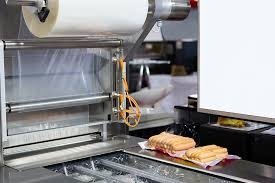
In manufacturing environments where packaging plays a critical role, efficiency is everything. Whether you’re sealing food products, medical supplies, or consumer goods, the speed and reliability of your packaging process can directly impact productivity and profitability. Heat sealers are a vital part of this equation, and optimizing their use can lead to significant gains in output, quality, and cost savings.
Choose the Right Type of Heat Sealer
Not all heat sealers are created equal. The first step to improving efficiency is selecting the right type of sealer for your specific application. Options include impulse sealers, constant heat sealers, band sealers, and rotary sealers—each suited to different materials and production volumes.
For example, impulse sealers are ideal for low to medium-volume operations and work well with thermoplastic materials. Band sealers, on the other hand, are better for continuous, high-speed sealing and are commonly used in food and pharmaceutical packaging. Choosing the right machine ensures consistent seals, reduces downtime, and minimizes waste due to faulty packaging.
Train Staff on Proper Operation and Maintenance
Even the best equipment won’t perform optimally without proper use. Training staff on how to operate heat sealers correctly is essential for maintaining speed and quality. Operators should understand how to adjust temperature, pressure, and sealing time based on the material being used.
Regular maintenance is equally important. Dust, residue, and wear can affect seal integrity and machine performance. Establishing a routine maintenance schedule—including cleaning, part replacement, and calibration—can prevent breakdowns and extend the life of your equipment.
Integrate Automation Where Possible
Automation is a powerful tool for boosting efficiency. Integrating heat sealers into automated production lines can reduce manual labor, increase throughput, and improve consistency. Automated systems can handle feeding, sealing, and sorting with minimal human intervention, freeing up workers for other tasks.
For manufacturers dealing with high-volume packaging, automation can dramatically reduce cycle times and eliminate bottlenecks. It also reduces the risk of human error, which can lead to defective seals and product loss. Investing in automation may require upfront costs, but the long-term benefits in speed and reliability often outweigh the expense.
Monitor Performance and Quality Metrics
To improve efficiency, you need to measure it. Tracking key performance indicators (KPIs) such as seal integrity, cycle time, downtime, and waste rates can help identify areas for improvement. Use these metrics to evaluate machine performance, operator effectiveness, and overall process flow.
Implementing quality control checks—such as visual inspections or seal strength testing—ensures that packaging meets standards and reduces the risk of product returns or recalls. Over time, data-driven adjustments can lead to more consistent output and fewer disruptions. Monitoring performance helps manufacturers stay proactive rather than reactive.
Upgrade to Modern Equipment
Technology in packaging equipment continues to evolve. Older heat sealers may lack the precision, speed, and features of newer models. Upgrading to modern machines with digital controls, programmable settings, and enhanced safety features can streamline operations and improve seal quality. Advanced models also offer better energy efficiency, reducing operating costs. Some systems include built-in diagnostics and alerts to help prevent issues before they cause downtime. If your current equipment is slowing down production or requiring frequent repairs, it may be time to consider investing in a new heat sealer that meets today’s manufacturing demands.
Conclusion
Efficiency in manufacturing isn’t just about speed—it’s about consistency, reliability, and smart resource management. By choosing the right heat sealer, training staff, integrating automation, monitoring performance, and upgrading equipment when needed, manufacturers can significantly improve their packaging operations.