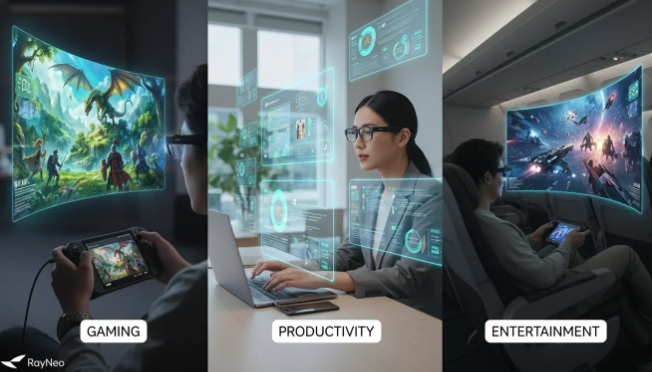
For over a decade, the “digital nomad” lifestyle came with a heavy, plastic compromise: the portable monitor. To maintain efficiency on the road, professionals lugged around fragile 15-inch slabs. However, 2026 is shaping up to be a turning point as smart glasses finally mature into essential tools for many mobile workflows.
The convergence of Micro-OLED technology and advanced ergonomics has meaningfully shifted the paradigm. Devices like the RayNeo Air 4 Pro are proving that we can reduce our reliance on physical screens to get work done. The bulky external display is becoming less necessary tech for the modern traveler in the right scenarios.
The Evolution of Personal Displays
We used to accept that serious productivity required physical screen real estate. Carrying a secondary 15.6-inch LCD panel was the standard for years. Unfortunately, these devices were often heavy, prone to cracking in backpacks, and demanded significant desk space to set up properly.
Wearable displays offer a private, massive screen without the physical footprint. The shift isn’t just about reducing backpack weight; it is about the privacy and immersion that traditional screens often struggle to match in crowded public spaces like coffee shops or economy class seats.
This evolution mirrors the shift from desktops to laptops. We are moving from fixed physical constraints to fluid, virtual workspaces. The technology has advanced to the point where the virtual image can feel comparable to a premium physical monitor for movies, gaming, and general use—though comfort and clarity can vary by face fit, optics, and content type.
Visual Fidelity: Moving Beyond 1080p
The primary argument against early wearables was image quality. Text often looked fuzzy at the edges, and colors were washed out compared to high-end IPS panels. However, CES 2026 introduced a new baseline for visual performance that helped change the narrative for creative professionals and frequent travelers.
The HDR10 Standard
The new performance bar increasingly includes high dynamic range support. For the first time, we are seeing XR eyewear that advertises HDR10 support. That can improve highlight detail and perceived contrast when the source device and content provide HDR, which is especially helpful for video playback and previewing footage—but “support” does not automatically guarantee full HDR mastering accuracy across all brightness conditions.
Modern Smart Glasses now utilize advanced near-eye display optics that aim to approximate high-end desktop monitors. This leap in fidelity is why photographers and designers are finally making the switch for travel and secondary-screen setups. They can now get closer to the color accuracy of a virtual reference monitor than earlier generations allowed.
Micro-OLED Technology
The secret lies in the dual-layer Micro-OLED panels. Unlike traditional LCDs found in portable monitors, these self-emissive pixels deliver perfect blacks. This infinite contrast ratio makes text appear razor-sharp, especially in the center of the image, effectively reducing eye strain during long coding sessions or document review for many users.
Refresh Rates Matter
Fluidity is non-negotiable for 2026 interfaces. Many flagship models now offer a smooth 120Hz refresh rate. This improvement can reduce the “ghosting” or motion blur that plagued earlier iterations of smart glasses, making the experience feel natural and responsive for gaming and fast scrolling.
Audio Engineering and Immersion
Visuals are only half the equation for a truly immersive mobile workspace. Portable monitors are notorious for having tinny, quiet speakers that require carrying extra headphones. This adds friction to the setup process and clutters your travel bag with unnecessary cables.
The Bang & Olufsen Edge
Strategic partnerships have revolutionized the audio experience in this sector. For instance, the RayNeo Air 4 Pro features a sound system developed under a Bang & Olufsen licensing partnership. Users get a more refined soundstage without needing bulky over-ear headphones, saving both weight and space—though open-air audio can still leak sound in very quiet environments.
Dynamic Stereo Sound
This acoustic engineering creates a “Dynamic Stereo Sound” environment. It allows for clear video calls and immersive movie watching, all while maintaining spatial awareness of your surroundings. It is a level of integration that external monitors simply cannot match, offering a complete multimedia solution with fewer accessories.
The RayNeo Air 4 Pro Advantage
While many brands are entering this space, execution varies wildly between manufacturers. We need hardware that balances raw technical specifications with actual wearability. This is where specific design choices dictate the daily user experience and determine if a device is truly viable.
Ergonomics for Long Sessions
The RayNeo Air 4 Pro exemplifies this balance by aiming to prioritize weight distribution. It allows users to wear the device for hours without the nose fatigue associated with heavier, front-loaded competitor models for many face shapes. Comfort is the most critical metric for adoption.
Customizable Fit
Adjustable nose pads and temple flexibility are standard features now. These adjustments ensure that the optical sweet spot remains consistent, regardless of the user’s face shape. This customization is vital for maintaining clear text visibility across the entire field of view as consistently as possible for every user.
Universal Connectivity
The utility of these devices hinges on the USB-C DisplayPort Alt Mode standard. This universal connectivity allows the RayNeo Air 4 Pro to plug-and-play with many modern devices that support USB-C video output (DP Alt Mode). No drivers or complex software installations are required for basic mirrored display, making it instantly deployable—but compatibility still depends on the host device’s USB-C video capabilities.
Productivity Scenarios in 2026
Security is a massive concern for business travelers working on trains or planes. An external monitor broadcasts your sensitive data to everyone in the row behind you. This is a nightmare for compliance in corporate environments where data leaks are unacceptable.
The Private Workspace
Smart glasses essentially create an invisible office. You can view confidential spreadsheets or proprietary code with significantly reduced risk of “visual hacking.” This privacy feature is inherent to the form factor and requires no privacy filters or screen dimming to be effective—although extremely bright content can still create minor light leakage depending on fit and environment.
Furthermore, the RayNeo Air 4 Pro supports multi-window functionality through specialized software. This mirrors the experience of a multi-monitor setup, allowing users to use multi-screen layouts and manage multiple virtual displays. It effectively gives you a command center layout that fits in your pocket when paired with compatible devices and apps.
Key Productivity Benefits:
- Enhanced Privacy: The displayed content is harder to see for bystanders than a conventional screen.
- Neck Health: Encourages a heads-up posture unlike laptops in many seating setups.
- Focus: Immersive field of view can reduce visual distractions.
- Portability: Can replace up to ~1.5kg of external monitor gear depending on your typical kit.
Gaming on the Go
The overlap between productivity users and gamers is significant. The same device that displays Excel sheets needs to handle high-fidelity gaming on the commute home. The RayNeo Air 4 Pro bridges this gap seamlessly, offering dual utility for one price.
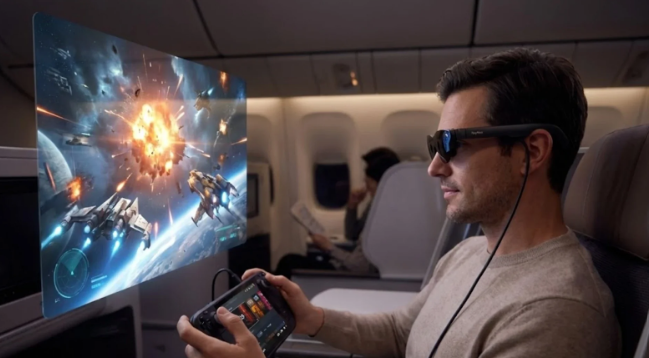
Table 1: Portable Monitor vs. AR Glasses Comparison
| Feature | Portable Monitor (15.6″) | RayNeo Air 4 Pro |
| Screen Size | Fixed 15.6 inches | Virtual 201 inches (at ~6m) |
| Privacy | Low (Visible to public) | High (Primarily visible only to wearer) |
| Weight | ~800g – 1.2kg | ~76g (Glasses body) |
| Panel Type | Usually IPS LCD | Dual-layer Micro-OLED |
| Refresh Rate | Typically 60Hz | 120Hz |
| Smart Glasses Tech | None | Display-glasses features (near-eye virtual screen) |
Connecting to a Steam Deck or Switch transforms the handheld experience. Instead of a 7-inch screen, you are gaming on a virtual theater screen. The immersion is often incomparable to standard handheld gaming, especially with HDR content support enabled for vibrant colors.
Is It Time to Switch?
The transition from physical monitors to wearable displays is accelerating. The technology has matured enough to offer a genuine upgrade rather than just a futuristic compromise for many travelers and hybrid workers. The visual clarity and comfort levels are finally ready for broader market adoption.
If you value mobility, privacy, and visual fidelity, the choice is becoming clear. The era of lugging around plastic screens is starting to end for a growing set of use cases. The future of mobile computing is increasingly wearable, and products like the RayNeo Air 4 Pro are leading the charge.