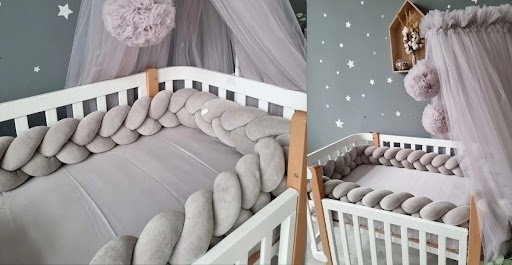
Parents often choose crib bumpers because they want to create a soft and secure sleeping environment for their babies. Many believe these products help prevent arms and legs from getting stuck between crib slats and reduce minor bumps during sleep. Visual appeal also plays a role, as padded cribs look more comfortable and complete to caregivers. However, experts focus on safety and emphasize that a simple, clutter-free crib supports better airflow and reduces risks. Pediatricians often explain that babies adapt naturally to firm sleep spaces. Understanding both parental concerns and expert guidance helps families make more informed decisions.
Understanding Why Parents Look for Added Crib Protection
New parents often feel anxious about their baby’s sleep environment, especially during the early months. Many worry about infants bumping their heads or getting arms and legs stuck between crib slats. Because of these concerns, parents search for products that promise comfort and protection. This is where Crib Bumpers often enter the discussion. They are commonly marketed as soft barriers that reduce minor injuries and create a cozy sleeping space.
Parents also rely heavily on visual cues. A crib that looks padded and enclosed feels safer than one with exposed wooden slats. Emotional reassurance plays a strong role in decision-making, especially for first-time parents. In addition, family traditions influence choices. Older relatives may recommend products they used years ago, believing they worked well. While intentions remain positive, modern safety standards continue to evolve. Understanding parental motivation helps explain why this product remains popular despite ongoing debates. Parents want peace of mind, comfort, and perceived safety for their child during sleep.
Aesthetic Appeal and Nursery Design Trends
Modern nurseries often reflect careful planning and personal style. Parents invest time choosing colors, themes, and textures that create a calm and welcoming space. Soft fabrics around a crib visually enhance the room and make it feel complete. Crib Bumpers frequently match bedding sets, which makes them appealing from a design perspective.
Social media also shapes nursery trends. Photos shared online often display fully decorated cribs that look warm and inviting. Many parents feel pressure to recreate similar setups. Beyond appearance, parents associate soft surroundings with comfort and warmth. The idea of a baby sleeping in a plush environment feels emotionally satisfying. However, aesthetics sometimes overshadow functionality. While visual harmony matters, safety experts encourage parents to prioritize airflow and minimalism. Still, the emotional pull of design cannot be ignored, especially when parents want their child’s room to reflect love and care.
Comfort, Noise Reduction, and Perceived Sleep Quality
Sleep quality is a major concern for parents. Many believe padded crib sides help babies sleep longer and more peacefully. Crib Bumpers are often thought to reduce sudden noises caused by limbs hitting hard crib rails. Parents report that softer surroundings seem to prevent startle reflexes during sleep.
Another factor is temperature and comfort perception. Parents feel that padded sides create a warmer, more womb-like environment. This sense of familiarity reassures caregivers, especially during nighttime. Additionally, parents worry about babies waking themselves by getting stuck between slats. Even if the risk is small, the fear feels real. Comfort-driven decisions often come from observation rather than evidence. While some parents feel these products help sleep routines, experts stress that perceived comfort does not always equal safety. Understanding this distinction is essential for informed choices.
What Pediatric and Sleep Experts Say
Medical professionals focus on reducing risks associated with infant sleep. Most pediatricians and child safety organizations advise keeping cribs simple and clutter-free. Experts point out that Crib Bumpers may restrict airflow and increase suffocation risks. Their guidance comes from long-term studies and incident reports.
Doctors recommend firm mattresses with fitted sheets and no added accessories. According to experts, babies sleep best in environments that allow free movement and air circulation. While parents aim to prevent minor bumps, experts highlight that infants rarely injure themselves seriously on crib slats. The emphasis remains on preventing high-risk scenarios rather than minor discomfort. This expert perspective sometimes conflicts with parental instincts, but it prioritizes evidence-based safety. Understanding both viewpoints allows parents to balance emotional comfort with professional recommendations.
Comparing Traditional Options and Modern Alternatives
Parents today have more choices than ever. Some alternatives offer peace of mind without added padding. Below is a simple comparison table:
| Option | Purpose | Expert View |
| Traditional padded bumpers | Cushioning & design | Not recommended |
| Mesh liners | Breathability | Safer alternative |
| Bare crib setup | Maximum airflow | Highly recommended |
Parents who still feel concerned often choose mesh liners instead of Crib Bumpers. These options allow airflow while preventing limbs from slipping through slats. Modern parenting encourages compromise—maintaining safety while addressing parental worries.
Emotional Factors and Parenting Psychology
Parenting decisions rarely rely on logic alone. Fear, love, and responsibility strongly influence choices. Many parents use Crib Bumpers because they feel proactive and protective.
First, anxiety drives action. New parents often overestimate risks and seek tangible solutions.
Second, reassurance matters. A padded crib feels like a visible safety measure, even if risks remain low.
These emotional layers explain why safety messaging alone does not always change behavior. Education works best when it acknowledges parental feelings. Experts increasingly focus on supportive communication rather than strict warnings. When parents feel understood, they are more open to safer alternatives and updated guidance.
Legal Guidelines and Changing Safety Standards
Safety regulations evolve as research improves. In many regions, authorities now restrict or discourage the sale of Crib Bumpers. These decisions come after reviewing injury data and sleep-related incidents.
Parents may feel confused when products remain available but discouraged by experts. This gap often creates mixed signals. Regulatory changes aim to reduce preventable risks, not criticize parenting choices. Staying informed helps parents adapt to new standards confidently. Awareness of guidelines ensures decisions align with current safety knowledge rather than outdated practices.
Making an Informed Choice as a Parent
Every parent wants to do what is best. Making informed choices requires balancing instinct, evidence, and expert advice. Crib Bumpers remain appealing for emotional and aesthetic reasons, but understanding risks helps parents decide responsibly.
Parents should evaluate their comfort level, consult pediatric guidance, and explore safer alternatives. Parenting is a journey of learning and adaptation. What matters most is creating a safe, nurturing environment that supports healthy sleep and development.
Conclusion
Parents choose crib accessories based on love, concern, and comfort. While Crib Bumpers continue to attract attention for design and perceived protection, experts emphasize simplicity and airflow. By understanding both emotional motivations and professional advice, parents can make safer, confident decisions that prioritize infant well-being above all else.