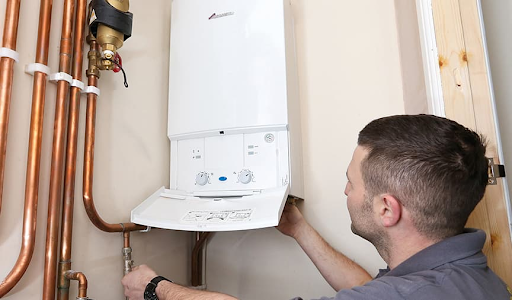
In most cases, the answer is no. No UK law forces homeowners to remove working gas boilers beyond 2025. Things are changing. Heat pumps and other low-carbon systems are being pushed by rules for new construction and incentives to use low-carbon heating. This article will explain what’s happening, how it may affect you and what you can do to get help.
What the law says right now
People often confuse two distinct government actions. The first is about new home standards, while the second is about grants and assistance to help people move away from fossil fuels.
There is currently no law that forces owners of existing homes who have a gas boiler to replace it after 2025.
The proposals have been aimed at preventing the use of gas boilers for certain new homes or increasing building standards. They do not force immediate replacements of existing properties.
Why 2025 keeps coming up
In the media and in coverage discussions, 2025 is frequently noted because it was suggested as a start line for stricter heating policies in newly built houses. It is anticipated that by 2025, many new homes will use low-carbon warmth. This is not similar to telling older domestic owners to remove their boilers.
The authorities continue to be evaluating the policy plans and have held consultations on the adjustments to the Boiler Upgrading Scheme and the warmth coverage. It is better to view 2025 as a landmark in the policy debate, and no longer as an absolute cut-off date for all families.
What most experts recommend
Experts say to keep your boiler if it is newer and works well. Modern condensing gasoline boilers are green and may remain for decades. Replace your boiler if it is inefficient or antique.
It may also be vulnerable to frequent breakdowns. Some families may additionally discover it greater cost-effective to replace at once to a heat pump.
Many families will find that upgrading to a contemporary gasoline boiler, even as it is less expensive, is a extra practical and cost-effective option, as you propose for longer-term enhancements. Your domestic, finances and grants are all elements in determining the right choice.
How common are gas boilers in UK homes?
Gas is still the principal gas for heating in most UK houses. According to the modern-day English Housing Survey, around 21.2 million households (or roughly 86%) used gas as their foremost heating source in 2023-24.
This big percentage explains the warning of policymakers: any sudden, obligatory alternative might have an effect on thousands and thousands of homes.
It is also important to consider the current fuel and energy poverty situation. Tens of thousands of households are struggling to pay for heat, so assistance schemes prioritise these people.
Grants and support: ECO4 and the Boiler Upgrade Scheme
It is important to be aware of two government-backed programs. Boiler upgrade scheme grants are available for heat pumps, biomass and England and Wales. It helps to cover a part of the cost of switching to low-carbon heating.
Separately, the Energy Company Obligation provides funding to low-income and vulnerable households for energy efficiency upgrades and heating upgrades. Under ECO4, homes that qualify can receive either fully or partially funded measures.
This can include insulated measures as well as, in certain cases, a more efficient boiler. These schemes are designed to reduce emissions and bills without forcing people into action before they’re ready.
Can I get a free or heavily subsidised replacement?
If you meet the eligibility criteria, then yes. ECO4 is aimed at low-income households or properties with poor performance. Installers or delivery partners can provide a subsidised or free upgrade to households that qualify.
The Boiler Upgrading Scheme offers grants that are fixed for heat pumps and air-source and ground-source heat pumps. In some cases, it also includes grants for biomass.
This can help households move away from gas if this is the best option for their home. Programmes like ECO4 can offer you low-cost and even free heating if you qualify.
Practical checklist for homeowners (short, clear steps)
Check the age and condition of your boiler. You may not need to replace your free boiler in Wales if it is less than 10 years old, and it still works well. Check your property’s Energy Performance Certificate (EPC).
A low EPC can qualify you for ECO4 and other assistance. Look for local partners that can perform a home evaluation and let you know which grants are available.
Consider whether you want to invest in a condensing or low-carbon boiler based on your budget and long-term goals. You can get a free evaluation from trusted installers and official sites.
Simple table: Does 2025 force me to change my boiler?
| Question | Short answer |
| Do I have to replace a working boiler after 2025? | No, not under current UK law. |
| Will new homes face tighter rules? | Yes – new build standards and proposals focus on low-carbon heating. |
| Are grants available to replace boilers? | Yes – ECO4 and the Boiler Upgrade Scheme offer targeted help. |
Simple table: Who the schemes help
| Scheme | Who it targets | Typical help available |
| ECO4 | Low income, vulnerable households, low EPC homes | Loft/cavity insulation, boiler replacement where eligible, other energy upgrades. |
| Boiler Upgrade Scheme | Homeowners switching to heat pumps/biomass | Fixed grants (for example, £7,500 for air source heat pumps). |
Costs and savings: what to expect
Modern condensing boilers are typically cheaper to purchase and install than heat pumps. Installing heat pumps can be expensive, but grants are available to reduce the cost. Heat pumps also run cleaner in systems with low carbon emissions.
Gas bills and gas usage can be significantly reduced by replacing an inefficient old boiler with a new A-rated condensing system. The right upgrade can lower bills and increase comfort for homes that are in fuel poverty. A modern boiler also operates more consistently, reducing heat loss and ensuring your home stays warm without unnecessary energy waste. Keeping track of local utility trends, such as gas prices dayton ohio, can help homeowners better understand their potential savings over time.
This is why ECO4 focuses its attention on these households. The national figures show that the majority of homes are still using gas. Therefore, cost and disruption play a major role in policy decisions.
Trusted help and making a safe choice
Choose certified installers if you’re worried about poor installation or scams. Also, ask for written estimates. Ofgem, the UK government and other organisations publish information and guidelines on approved schemes.
A local authority’s flexible eligibility statement can open doors for support if you have a low income but are not receiving benefits. This is why understanding how the LA Flex Scheme works can help you access the right support.
Check the details of any scheme and ask your delivery partner to provide you with written information on costs, timing and warranties.
Berks Insulation – a partner for eligible households
Berks Insulation, a trusted partner in the ECO4 Scheme, helps households to access free heating upgrades. They assess homes, verify eligibility, and, if necessary, provide free or subsidised insulation and boiler replacements.
Berks Insulation will guide you and assist you in applying for the free boiler program available under ECO4 delivery. Mentioning an experienced partner can help households in need of assistance.
Final guidance – what you should do today
Start with these steps if you want to know what your next step is. Service your boiler and take note of its age. If you do not have an EPC, request one. Check ECO4 and Boiler Upgrade Scheme eligibility to find out what grants may be available for your home.
If you qualify for ECO4, a trusted installer or delivery partner can provide a free assessment of your home. Remember that a gas boiler is not required to be replaced after 2025. The policy aims to protect vulnerable households while reducing long-term emissions.