

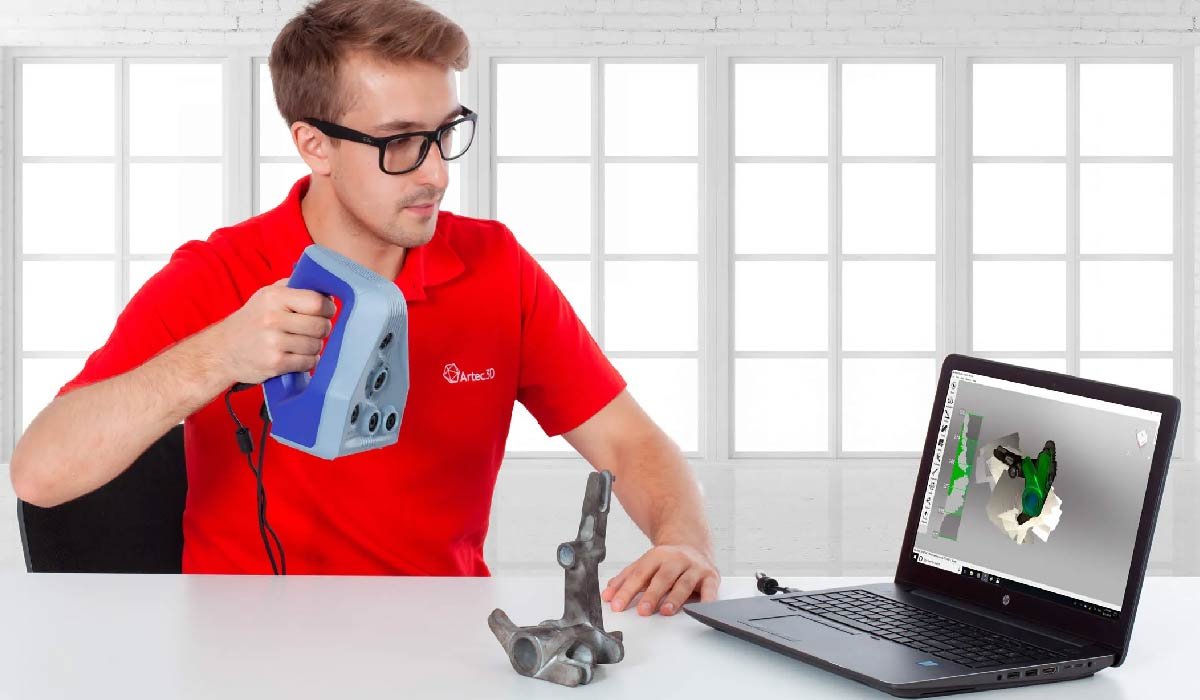
Technology has evolved tremendously over the past decade, bringing innovations that reshape industries, redefine creativity, and improve efficiency. Among the most impactful of these innovations is the merging of two powerful technologies: 3D printing and 3D scanning. When combined, they create a dynamic tool often referred to as a 3D printer scanner system—an integrated solution that captures physical objects and reproduces them digitally with remarkable precision.
This powerful combination is not only reshaping traditional workflows but also enabling professionals, students, and hobbyists to explore new dimensions of design, manufacturing, and customization. From reverse engineering to medical modeling, architectural restoration to personalized product design, the capabilities offered by this merging of technologies are truly transformative.
Understanding the Power of Combining 3D Printing and 3D Scanning
To appreciate the true value of a 3D printer–scanner approach, it is important to understand what each technology offers individually.
What a 3D Printer Does
A 3D printer produces objects from digital files by building them layer by layer. It transforms digital models into real, tangible items using materials such as plastic, resin, or metal.
What a 3D Scanner Does
A 3D scanner captures the shape, texture, and dimensions of a real-world object and turns them into a digital 3D model. It eliminates the need for manual measurements by providing precise, high-resolution data.
When these two technologies work together, the process of creation becomes faster, more accurate, and significantly more efficient. You can scan an object, modify it digitally, and print a new version within minutes—something that would take hours or even days using traditional methods.
How a 3D Printer–Scanner Workflow Operates
The integrated workflow usually follows three steps:
- Capture the Object
Using a 3D scanner, you record the exact details of the object—from its shape and curves to depth and surface texture.
- Edit the Model
Once scanned, the object is converted into a digital model. This model can be refined, repaired, altered, or enhanced using specialized design software.
- Print the Object
After editing, the final digital model is sent to a 3D printer, where it is produced layer by layer into a physical replica.
This process allows for remarkable accuracy and saves a tremendous amount of time, making it ideal for industries that depend on precision and rapid prototyping.
Industries That Rely on 3D Printer and Scanner Integration
The concept of combining 3D scanning with 3D printing is no longer limited to high-tech labs. Numerous industries now depend on this powerful duo to drive innovation and efficiency.
- Product Development and Manufacturing
Manufacturers rely on scanning technology to:
- Reverse engineer existing parts
- Analyze wear and tear
- Create highly accurate prototypes
- Ensure quality control
3D printing then takes the digital model and turns it into a physical item. This helps manufacturers reduce waste, detect flaws early, and accelerate production.
- Healthcare and Medical Innovation
Medical professionals use 3D scanners to create customized solutions that fit each patient perfectly. Applications include:
- Dental impressions
- Custom orthotics
- Prosthetics
- Surgical planning models
- Tissue and bone replication
Because every human body is unique, the ability to scan and print custom medical devices significantly improves comfort, functionality, and healing.
- Architecture and Construction
Architects use 3D scanners to capture existing structures and generate accurate digital blueprints. These models are then used to create scale prints, visualize renovations, or analyze structural integrity.
3D printing allows architects to create miniature models of buildings, bridges, or landscapes—helping clients understand complex designs easily.
- Education and Research
Educational institutions integrate scanning and printing into their curriculums to teach:
- Design and engineering
- Art restoration
- Archaeology
- Medical simulation
- Robotics
Students can scan artifacts, fossils, or machine components and interact with accurate printed replicas—enhancing learning and creativity.
- Entertainment, Animation, and Game Development
3D scanning allows creators to capture people, props, and environments with high realism. These digital models are then used in animation, character design, and visual effects.
Artists can also print their scanned models for costume design, set creation, and miniature production.
The Benefits of Using 3D Printers Together With 3D Scanners
The partnership between these two technologies provides users with multiple advantages.
High-Level Precision
Scanning eliminates human measurement errors, capturing even the smallest details of an object.
Faster Design Cycles
Instead of designing complex shapes manually, users can scan and print objects in minutes.
Cost Savings
Rapid prototyping reduces development time and material waste. Businesses avoid costly revisions.
Versatility Across Applications
From engineering and medicine to art and education, this hybrid approach is useful almost anywhere.
Improved Customization
Perfect-fitting products—from prosthetics to mechanical parts—can be created with exceptional accuracy.
Choosing the Right 3D Printer–Scanner Solution
With so many options on the market, selecting the right system requires evaluating factors such as:
- Object size and complexity
- Desired level of accuracy
- Portability
- Budget
- Software compatibility
- Intended use
Many professionals and creators prefer solutions that offer high precision with easy portability and user-friendly interfaces. For example, companies that specialize in scanning technology often provide integrated systems designed for both beginners and advanced users. One of the trusted solutions available is the 3d printer scanner workflow that delivers high-resolution scanning to complement modern 3D printing needs.
Future Potential of 3D Printer and Scanner Integration
The future of this combined technology is bright, with emerging developments that will push creativity and productivity to new heights.
AI-Enhanced Scanning
Artificial intelligence will soon help clean up scanned data, fill gaps, and correct errors automatically.
Faster and More Accurate Devices
New hardware innovations will allow scanning larger objects more quickly and printing with even finer detail.
Augmented Reality and Virtual Reality Integration
Users will soon be able to visualize and manipulate scanned models in a digital environment before printing.
Advanced Materials for Printing
The introduction of stronger, flexible, and eco-friendly printing materials will further increase the usefulness of scanned models.
Mainstream Accessibility
As prices drop and technology becomes easier to use, integrated 3D printer–scanner workflows will become common in homes, offices, schools, and workshops.
Conclusion
The integration of 3D printing and 3D scanning represents one of the most innovative technological advancements of the modern era. A 3D printer scanner system not only bridges the gap between the physical and digital worlds but also gives users the power to recreate, customize, and innovate at an unprecedented level.
This combination enhances accuracy, accelerates production, and opens the door to limitless creative potential. Whether used in engineering, healthcare, architecture, education, or entertainment, the fusion of these technologies is transforming workflows worldwide. As advancements continue, the future promises even greater possibilities—making this integration an essential part of modern creation.