Understanding the Market Shift Toward Online Sourcing of Botulax and Similar Injectables

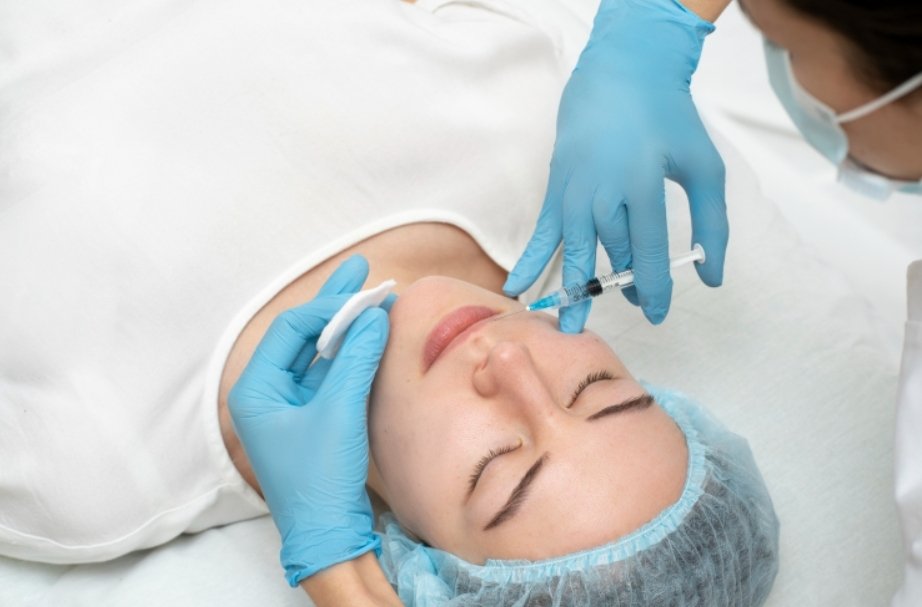
You might have noticed — maybe on TikTok, or in some private Instagram DMs — people are talking about buying Botulax treatment solution online. I mean, I did too, just as a bystander at first, thinking: that’s kind of wild. How did we get here, and is this a “why‑not” moment… or a “holy-sh*t, be careful” moment?
Why People Are Sourcing Botox-like Injectables Online
So, first, why is this even happening? There are a few big pushes:
- Cost. Let’s be real: in‑clinic injections by licensed professionals aren’t cheap, especially if you’re doing regular maintenance. Buying online seems like a loophole.
- Access. Some people don’t have local providers, or they don’t trust the ones they have. They think, “Hey, if I can order it and inject myself or find someone sketchily trained, maybe that’s fine.”
- DIY culture. There’s a growing vibe of self-sufficiency; people read a couple of forums, get a kit, and boom — they’re “practicing.”
- Global supply chains. Products like Botulax come from places where manufacturing is cheaper, and online vendors ship them across borders. That makes sourcing tempting.
But here’s the thing: all of that convenience and affordability comes with serious risk.
The Risks Aren’t Just Hypothetical
Okay, so — this isn’t just your paranoid aunt warning you. There are real, documented problems. The CDC has sounded the alarm: some people who got injections from unlicensed sources or bought online suffered life‑threatening reactions.
In fact: “the products purchased from unlicensed sources could be dangerous … they might contain harmful ingredients … or a different amount of botulinum toxin than what’s printed on the box.”
When the CDC dug into it, they found 17 people in nine U.S. states who had harmful reactions after getting injections from sketchy sources. Many of them were even hospitalized.
Then there’s the FDA, which itself has started warning websites. In November 2025, it sent warning letters to 18 websites for illegally marketing unapproved or misbranded botulinum toxin products.The problem, the FDA says, is that those unapproved online products “may be unapproved, misbranded, adulterated, counterfeit … improperly stored and transported, ineffective and/or unsafe.”
There are documented cases of counterfeit Botox, too: the FDA found vials labeled “Botulinum Toxin Type A” (instead of the correct “OnabotulinumtoxinA”), or 150‑unit doses that legitimate manufacturers don’t even make. U.S. Food and Drug Administration+1 Symptoms? Blurred vision, drooping eyelids, difficulty breathing — basic nerve-paralysis signs.
Even outside the U.S., regulatory bodies are sounding the alarm: Australia’s TGA recently reported counterfeit botulinum toxin vials were seized at the border. Therapeutic Goods Administration (TGA) Packaging was deliberately deceiving — spelling errors, weird fonts, shady lot numbers.
And from the medical-professional side: Dr. Tim Pearce, among others, warns against buying botulinum toxin via Instagram, online importers, or “fake pharmacies.” Why? Because the cold chain (how the product is stored and moved) is totally unverified, and you have no way to know what you’re injecting.
What’s Driving the Shift (Despite the Risks)
Why is demand for online-sourced botulinum toxins like Botulax even growing, if it’s this risky?
- Underground trust networks. People are sharing vendor links in niche forums and chats. Once a few people say they got “real tox,” others follow.
- Liquidity of supply. Manufacturers in East Asia (especially South Korea) make many botulinum toxin brands at scale — Botulax is among them — and some online sellers tap into these.
- Regulatory gray zones. In some countries, importing for personal use is in a murky area. People exploit that.
- Social media influence. Influencers, trends, aesthetic communities… they make things feel OK, even glamorous.
But: “just because you can order it doesn’t mean it’s safe.”
Pro Tips: If You Are Considering Buying (Yes, I Have to Give These)
If you’re still thinking about sourcing something like Botulax or another injectible online (and I’m not recommending it, but I want you to be informed):
- Ask for the vial. When you’re about to inject (or let someone else), insist on seeing the vial in front of you. Demand lot number, manufacturing details.
- Demand documentation. Legit vendors will have batch/legal papers. If there’s zero traceability, walk away.
- Check for proper storage. These toxins are super sensitive to temperature changes. If you don’t trust the shipping or how they were stored, that’s a red flag.
- Use licensed injectors. Even if you get the product legit, a bad injector can cause disaster.
- Be ready to walk away. If something doesn’t feel right, it likely isn’t. Your health is not worth a bargain.
The Pros (Why People Still Do It)
- Lower cost per unit than clinic-to-clinic injections.
- More control — you decide who injects and when.
- Accessibility: maybe you don’t have a trained injector locally, or you don’t trust that person.
- Flexibility: you can try different brands (believe me, people are curious), and maybe find something that lasts longer (or not — this is a gamble).
The Cons (Pretty Big Ones)
- Safety risk: from contamination, mislabeling, or improper storage.
- Legal risk: depending on your country, importing injectables might fall into a gray or outright illegal zone. (“Unauthorized product” importation isn’t just risky medically — there may be legal penalties.)
- Health risk: injections with too much or too little active toxin, or worse, the wrong toxin.
- Professional negligence: non‑licensed injectors vs licensed experts — big difference in anatomical understanding.
- Long-term unknowns: you don’t know how these off‑market brands behave in the long run; the research is spotty.
A Few Real-World Reactions (Yes, People Talk)
- Some Reddit users in DIY aesthetic sub‑communities mention Botulax specifically:
“I used it … it wore off after literally 3 weeks … I’m also worried about … a product that may be dangerous.”
- Others talk about getting toxins from “peptide vendors,” admitting the price is tempting but also worrying:
“why risk it? Korean vendors sell pharma for cheap … there are already reports … sending people to the hospital.”
This stuff isn’t just theoretical — real people are taking real risks.
Why Regulators Are Cracking Down
Regulators like the FDA and CDC aren’t just wringing their hands. They’re acting:
- The FDA’s warning letters to 18 illicit sites show it’s not ignoring the problem.
- The CDC investigation revealed people being hospitalized for botulism-like symptoms.
- Some counterfeit products are so close to real packaging that even experts got fooled.
Why is this happening? Regulators say that the unauthorized versions “may be ineffective or unsafe,” and, worst-case, they can cause the same kind of nerve paralysis that makes Botox work — but in places you don’t want it to work.
My Two Cents (Yep, I Have Them)
Honestly? I feel uneasy. On one hand, I totally get the appeal: lower cost, control, a kind of DIY bravado. On the other hand… imagine injecting something super potent you didn’t verify properly. It’s like ordering mystery meat from a sketchy food stall. Maybe it’s good, maybe it’ll make you sick.
The first time I read about someone injecting “unlicensed tox” into themselves, I thought it sounded like those reckless YouTube challenges. But when I saw real CDC reports? My stomach turned. This isn’t just about vanity. It’s about nerve stuff — breathing, swallowing, muscles that shouldn’t go slack.
I think it’s utterly human to want access — especially for beauty, or even medical reasons — but this particular shortcut feels especially dangerous. And I don’t say that lightly.
Final Thoughts
So, where’s the line? Between empowerment and recklessness. Between cost-saving and risking your health. The shift to online sourcing of Botulax-like injectables is real, and it’s not just about trendiness — it’s about deeper structural things: inequality in access, the power of global supply chains, and how much people are willing to gamble for aesthetic outcomes.
If you’re thinking about dipping your toes into this world: educate yourself, ask hard questions, and above all — put safety first. Because yeah, Botox and its look-alikes can feel magical, but they’re not toys.
In the end, you’re the one who decides. Just don’t decide without knowing what you’re holding in that vial.