Heat damaged hair is one of the most common hair problems today. Whether it’s frequent straightening, curling, blow-drying, or prolonged sun exposure, excessive heat can leave your hair brittle, dry, and lifeless. If you’re struggling with hair with heat damage, don’t worry there are effective ways to restore strength, shine, and moisture.
In this guide, we’ll cover the causes, signs, and best ways to repair heat damaged hair, along with deep conditioning treatments, hair masks, shampoos, and other products that truly work.
What is Heat Damaged Hair?
Heat damaged hair occurs when high temperatures compromise the hair’s natural structure. Excessive heat breaks down keratin proteins, weakens the cuticle layer, and strips the hair of its natural moisture.
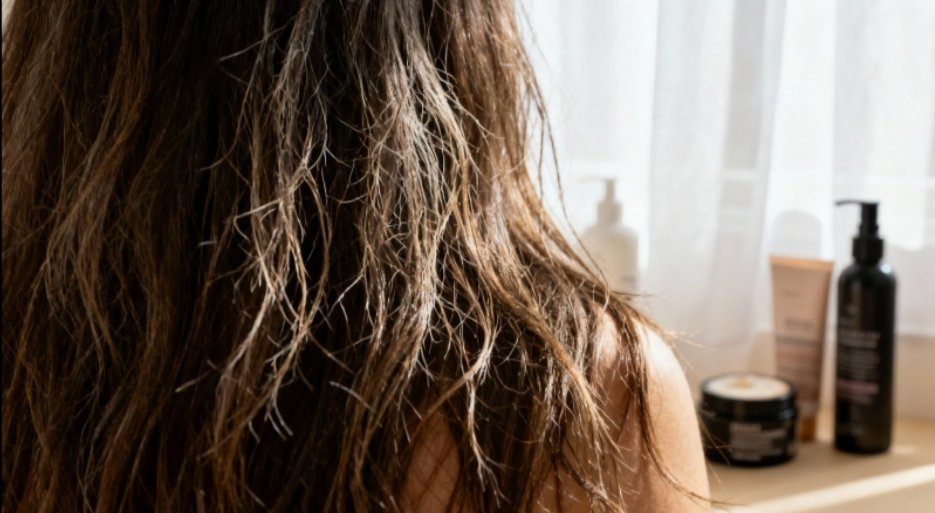
Once damaged, your hair becomes porous, loses elasticity, and struggles to retain hydration. You might notice:
- Dry, brittle strands
- Frizz and flyaways
- Split ends
- Loss of natural shine
Natural hair and heat damage, including heat damaged black hair, is particularly prone to moisture loss and weakened texture, making proper care even more crucial.
Common Causes of Heat Damage Hair
Understanding what causes hair heat damage is key to repairing it effectively. Major causes include:
Excessive Heat Styling
Daily use of straighteners, curling irons, and blow dryers can severely weaken hair strands. Skipping a heat protectant spray for damaged hair accelerates damage.
Blow-Drying Incorrectly
Using high heat or holding a dryer too close can strip natural oils. A no heat damage hair dryer or low-heat setting can help reduce the risk.
Chemical Treatments
Frequent coloring, bleaching, or perming makes hair more vulnerable to heat damage.
Environmental Exposure
Sunlight, UV rays, and humidity contribute to hair damage heat, drying out hair and weakening it over time.
Skipping Protective Products
Not using the best heat protectant for damaged hair leaves strands exposed to direct thermal stress.
Signs of Heat Damaged Hair
Identifying signs of heat damaged hair is essential for taking immediate action. Common hair heat damage symptoms include:
- Persistent dryness and rough texture
- Frizz and flyaways
- Split ends and breakage
- Loss of elasticity or bounce
- Tangles and knots
- Dull, uneven color
- Brittle heat damaged hair strands
Severe cases, often referred to as bad heat damaged hair, require targeted repair and hair treatment for heat damaged hair.
Levels of Heat Damage Hair
Knowing the level of damage helps in choosing the right repair strategy:
Mild Heat Damage
Slight dryness, minor frizz, and a few split ends. Usually recoverable with deep conditioner for heat damaged hair and minimal heat styling.
Moderate Heat Damage
Pronounced split ends, dullness, and weakened strands. Needs hair mask for heat damaged hair and bond-building hair treatments.
Severe Heat Damage
Extensive breakage, extreme dryness, and highly porous heat damaged hair strands. Often requires trims and intensive hair treatments for heat damaged hair.
How to Fix Heat Damaged Hair
Repairing heat damage hair requires a consistent and multi-step approach. Here’s the most effective plan:
Use a Deep Conditioning Treatment for Heat Damaged Hair
A deep conditioning treatment for heat damaged hair replenishes moisture, strengthens protein bonds, and restores softness. Look for products rich in amino acids and peptides.
Choose the Best Shampoo for Heat Damaged Hair
Opt for sulfate-free shampoos for heat damaged hair that cleanse gently without stripping oils. Pair with the best conditioner for heat damaged hair or a deep conditioner for heat damaged hair for maximum hydration.
Apply a Hair Mask for Heat Damaged Hair
A hair mask for heat damaged hair used weekly restores moisture, reduces dryness, and improves texture. The best hair mask for heat damaged hair often contains keratin, proteins, and natural oils.
Use Bond-Building Hair Treatments
Products designed to repair heat damaged hair with bond-building technology strengthen internal fibers, improve elasticity, and prevent further breakage. These are especially useful for heat damaged natural hair or heat damaged black hair.
Trim Severely Damaged Ends
For bad heat damaged hair, a trim can remove weakened ends, reduce split ends, and allow the hair to recover more effectively.
Apply Oils Wisely
Use specialized oils like No Frizz Vanishing Oil or serums to nourish hair without weighing it down. These act as protective barriers while restoring moisture.
Reduce Heat Usage
Cut down on frequent straightening, curling, or blow-drying. When styling is necessary, always use heat protectant spray for damaged hair. The best heat protectant for damaged hair prevents further protein loss and helps retain moisture.
Boost Hair Health
Supplements like MDhair marine collagen can support hair strength and resilience, helping damaged hair recover faster.
Repair Tips for Natural and Curly Hair
Heat damaged natural hair requires special care:
- Maintain a protein-moisture balance
- Perform deep conditioning treatments weekly
- Avoid heat for extended periods
- Use curl-restoring hair treatments for heat damaged hair
This will help restore curl pattern, strength, and shine.
Best Products for Heat Damaged Hair
When looking for hair products for heat damaged hair, these categories work best:
- Use Best shampoo and conditioner for gentle, hydrating, sulfate-free
- Deep conditioner restores elasticity and moisture
- Hair mask helps in intensive repair
- Bond-repair treatments rebuilds internal hair structure
- Oils and serums provide nourishment and reduce frizz
For optimal results, combine these products into a consistent hair care routine.
Preventing Heat Damage Hair
Preventing damage is easier than repairing it. Key tips include:
- Always protect hair from heat damage with a heat protectant spray for damaged hair
- Use a no heat damage hair dryer or low-heat styling
- Avoid styling damp hair
- Limit frequency of heat styling session
- Keep styling tools below damaging temperatures
- Protect hair from sun exposure
- Regular trims to remove weak ends
- Maintain hydration with the best hair products for heat damaged hair
FAQs
How to protect hair from heat damage?
Always use a heat protectant spray or serum before styling, keep tools at lower temperatures, avoid styling damp hair, and limit frequent heat exposure.
What does heat damaged hair look like?
Heat-damaged hair may appear dry, brittle, frizzy, or dull. Split ends, tangles, rough texture, and breakage along the strand are also common signs.
How do you know if your hair is heat damaged?
Check for persistent dryness, loss of elasticity, hair snapping easily, rough texture, frizz, or uneven color. Multiple symptoms indicate damage.
Can hair fully recover from severe heat damage?
Severe damage can’t be restored exactly, but consistent care with bond-building treatments and deep conditioning can significantly improve hair health.
For more expert guides on hair care, damage repair and styling without stress, keep following ActiveCoreFit and stay tuned for fresh updates on the best shampoos and hair routines.