

For years, creativity quietly faded from many people’s daily lives. Responsibilities grew, screens got brighter, and that playful artistic spark many of us had as children slowly dimmed.
But something beautiful is happening now. Art is finding its way back—not through pressure or perfection, but through a gentle, supportive approach known as guided creativity.
This growing movement is encouraging people to explore art again in a relaxed, joyful, and meaningful way.
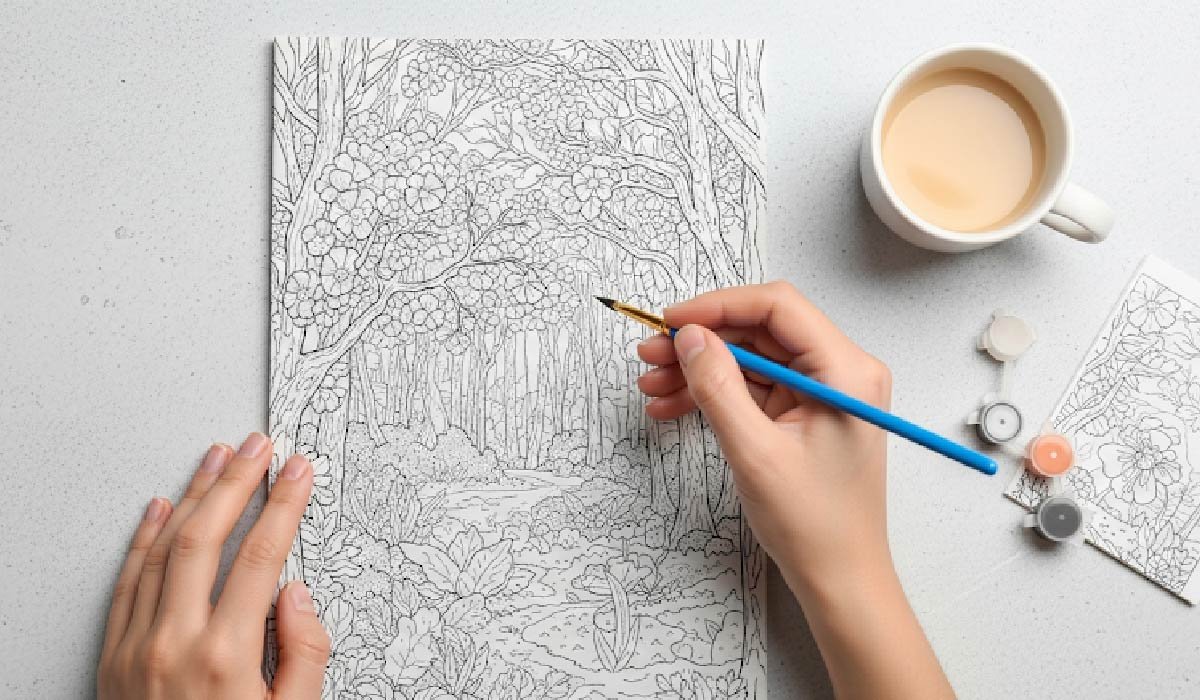
And the renewed excitement can be seen everywhere—from digital drawing prompts to the best paint by numbers kits that even complete beginners are using to rediscover their artistic side.
What Is Guided Creativity?
Guided creativity is simply creativity with a companion. It removes the fear of starting by offering gentle direction—like a tutorial, a structured exercise, or a friendly guide whispering, “Let’s make something together.” Instead of facing a blank canvas alone, you follow simple steps that open the door to expression. It doesn’t demand mastery. It just invites participation.
Whether it’s through a paint-along class, an app, or a workbook, guided creativity gives people exactly what they need to begin: a starting point.
Why People Stopped Creating
People rarely stop creating because they hate art. They stop because life gets loud, expectations get heavier, and creativity starts to feel like a luxury rather than a natural instinct.
Many grew up believing they weren’t “good enough,” often from one careless comment or discouraging classroom critique.
Others simply lost touch with the part of themselves that once drew, painted, or crafted freely. Guided creativity challenges that narrative. It gives people permission to be imperfect again—to explore without fear.
How Guided Creativity Reignited Interest
Guided creativity works because it lifts the pressure and makes the process feel doable. It doesn’t ask people to know everything upfront. It doesn’t demand original concepts or advanced techniques.
It simply provides direction—small steps that build confidence and momentum. When someone guides you through a simple shape or stroke, you ease into the process.
You stop thinking about the outcome and start enjoying the experience. That sense of ease is what reignites the creative flame.
A Story of Rediscovering Art
Take Maya, for example. She used to draw constantly as a child, filling the edges of her notebooks with doodles. But as she grew older, life took over.
Her sketchbooks gathered dust. Then one evening, she clicked on a 10-minute guided drawing video. It felt harmless—just a quick creative break. “Start with a simple circle,” the instructor said. She followed along.
A few lines later, she had a sketch she genuinely liked. It wasn’t perfect, but it was hers. That single guided moment opened the door to something she didn’t even realize she’d been missing.
Soon, she was drawing every evening—happy, calm, and connected to her younger self again.
Tools and Platforms Supporting Guided Creativity
Guided creativity is exploding thanks to technology and accessible tools. Apps provide step-by-step tutorials.
Online classes bring instructors right into your living room. AI tools offer prompts and visual examples. Paint-and-sip studios make art a social experience.
And beginner-friendly kits like the best paint by numbers sets help people build confidence through structured painting. Art is no longer exclusive or intimidating—it’s available to everyone, anywhere.
The Psychology Behind Guided Creativity
There’s deep psychology behind why guided creativity works so well. When instructions are clear and simple, the brain feels safe.
This reduction in mental friction leads to what psychologists call “cognitive ease.” Once the brain relaxes, people slip into flow—the highly focused, peaceful state where creativity happens effortlessly.
Each small success builds confidence, and with confidence comes freedom. People realize they’re not “bad at art.” They were just unsupported.
Guided Creativity as a Healing Tool
Art has always had therapeutic power, and guided creativity brings that healing within reach for everyone.
Whether it’s the calm repetition of brushstrokes or the emotional release of color, creative expression helps people process feelings and reduce stress.
For many, guided art sessions become a safe place to breathe, unwind, and reconnect with themselves. It’s creativity as self-care, gentle and soul-soothing.
Rebuilding Creative Communities
Guided creativity doesn’t just help individuals—it’s rebuilding entire communities. Workshops are filling up. Online groups are thriving.
People are connecting through shared prompts, live sessions, and weekly challenges. These communities are warm, supportive spaces where mistakes are embraced and everyone, no matter their skill level, belongs.
Art becomes less about producing something perfect and more about being part of something meaningful.
Real-Life Transformations
The stories of transformation are everywhere. The overworked accountant who now paints stunning landscapes on Sundays. The retiree who found peace again through guided watercolor sessions. The teenager using guided drawing to calm anxiety.
The busy parent carving out ten minutes a day to reconnect with creativity. Guided creativity isn’t just changing artistic habits—it’s changing lives, one gentle step at a time.
How Anyone Can Begin Guided Creativity
Starting is easier than you think. You don’t need fancy supplies or bold confidence. Just curiosity. Try a short guided video. Join a community challenge.
Download an app. Pick up a beginner-friendly workbook. Or try a structured project that guides you from start to finish.
The goal isn’t perfection. It’s presence. A few minutes a day is enough to awaken something powerful.
Final Thoughts
Guided creativity is helping people reclaim something they never truly lost—their ability to create, imagine, and express. It’s a reminder that art isn’t reserved for experts. It’s a universal language, a human instinct, a gentle form of healing.
And if you’ve been feeling the pull to make something again, consider this your invitation. Your creative spark is still there. Guided creativity is simply here to help you find it.