Luxury has always been about more than mere acquisition. It’s a language, a set of codes that signal taste, values, and cultural alignment. For decades, that language remained relatively stable—certain materials, certain brands, certain stories about rarity and exclusivity. But something fundamental has shifted. Today’s luxury consumers increasingly seek beauty that doesn’t require ethical compromise, elegance that aligns with how they understand their place in a complicated world. Technology, unexpectedly, has become the bridge between these desires and reality.
The transformation isn’t loud or sudden. It’s happening in laboratories and design studios, in shifted consumer expectations and quiet industry pivots. The jewellery sector, traditionally one of the most conservative luxury categories, finds itself at the centre of this recalibration—forced to reconcile centuries-old practices with contemporary values and scientific capability.
The Technology Question
High technology and luxury once occupied separate spheres. Craftsmanship implied human hands, traditional methods, time-honoured techniques passed through generations. Innovation belonged to Silicon Valley, not to jewellery ateliers. That boundary has dissolved. Today’s most interesting developments in fine jewellery emerge from the intersection of materials science, precision engineering, and design philosophy.
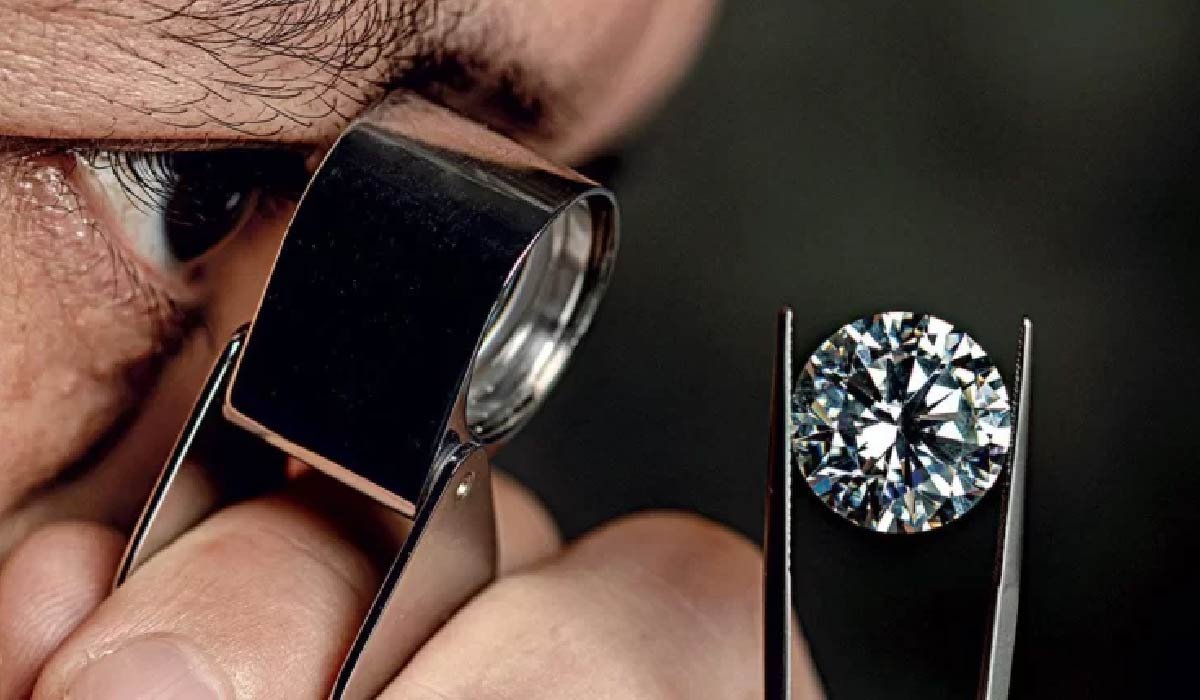
Lab-grown diamonds represent the most visible manifestation of this convergence. The process itself—replicating in weeks what geological forces required billions of years to achieve—sounds almost impossibly science-fiction. Yet the technology has matured rapidly, producing stones indistinguishable from mined diamonds in every meaningful way. Chemical composition, optical properties, hardness—identical. Only specialized equipment can detect the difference, and even then, it’s about identifying markers of origin rather than quality disparities.
What makes this development culturally significant extends beyond the technical achievement. It represents a fundamental question about value itself: if two objects are materially identical, does the story of their creation determine their worth? Traditional luxury answered yes, emphasizing rarity and the romance of deep geological time. Contemporary consumers increasingly answer differently, weighing origin stories against impact, tradition against consequence.
The industry’s response to innovative diamond technology reveals deeper tensions about authenticity and value in luxury markets. Heritage brands initially dismissed lab-grown stones as inferior or inauthentic—a defensive reaction that ignored the actual science. But market forces proved more persuasive than institutional resistance. Major retailers now stock lab-grown options. Fashion houses incorporate them into collections. The stigma that once attached to “synthetic” diamonds (a deliberately misleading term) has largely evaporated as understanding improved.
Cultural Recalibration
This technological shift intersects with broader changes in how people think about luxury consumption. Younger generations particularly—though not exclusively—bring different frameworks to purchasing decisions. They’ve grown up with information abundance, with awareness of supply chains and environmental consequences that previous generations encountered less directly. Ignorance, whether genuine or willful, has become harder to maintain.
The recalibration isn’t primarily about environmentalism as ideology. It’s more pragmatic than that—a desire for choices that feel coherent with stated values, consumption patterns that don’t require active cognitive dissonance. People want beautiful things. They also want to feel reasonably good about how those things came into existence. Technology that resolves this tension holds obvious appeal.
Transparency has become a currency of trust in luxury markets. Brands that provide clear information about sourcing, production methods, and supply chains earn credibility. Those offering vague reassurances or defensive opacity face increasing skepticism. This represents a significant power shift—from producers who controlled information and narrative to consumers who demand evidence and verification.
Social media accelerates these dynamics while complicating them. Platform culture creates pressure to display and document purchases, yet simultaneously spreads information about industry practices at viral speed. A single thread can expose supply chain issues or highlight alternatives, reaching millions within hours. The luxury industry, which long thrived on mystique and controlled messaging, now operates in an environment of radical transparency it didn’t choose and cannot fully manage.
The New Ethics of Adornment
Modern jewellery choices increasingly function as personal statements beyond decoration. This isn’t new—jewellery has always carried meaning, signaled identity, marked life transitions. What’s changed is the expansion of what those signals communicate. Alongside aesthetics and sentiment, jewellery now often reflects environmental consciousness, social awareness, technological optimism, or rejection of traditional mining’s impacts.
This layering of meaning doesn’t diminish beauty or emotional resonance. If anything, pieces chosen with consideration and aligned values often carry greater significance precisely because they represent thoughtful decisions rather than impulsive acquisition. The story becomes part of the appeal—jewellery that satisfies both aesthetic and ethical considerations.
Quality and longevity have regained status as luxury virtues. Fast fashion’s throwaway culture created backlash, with many people consciously rejecting disposability in favor of items meant to endure. Well-crafted jewellery, designed to transcend trends and withstand decades of wear, aligns naturally with sustainability—fewer replacements mean less cumulative impact. This emphasis on permanence feels almost countercultural in an economy built on planned obsolescence.
The practical implications extend throughout the purchasing process. People research more thoroughly, ask more questions, gravitate toward brands whose philosophies resonate with their own. Perfect solutions rarely exist—every material choice involves trade-offs—but honest communication about challenges and ongoing efforts builds trust more effectively than claims of purity or perfection.
Where This Leads
The jewellery industry’s transformation offers a case study in how established luxury sectors adapt to shifting cultural values and technological capability. The changes aren’t complete—traditional mining continues, debates about authenticity persist, pricing structures remain fluid. But the direction seems clear: toward greater transparency, expanded options, and recognition that luxury and responsibility needn’t conflict.
For those exploring this evolving landscape, resources and retailers focusing on sustainable alternatives have multiplied rapidly. Platforms offering information about production methods, material sourcing, and design philosophy make informed choices increasingly accessible. Those interested can shop sustainable diamonds here and elsewhere, comparing approaches and finding brands whose values align with their own priorities.
This isn’t the end of traditional jewellery any more than digital photography eliminated film. It’s an expansion of options, a broadening of what luxury can mean and how beauty can be achieved. The most interesting development may not be the technology itself but what it reveals about changing values—how people increasingly seek coherence between what they wear and what they believe, between the things they cherish and the world they want to inhabit.
Emerging diamond technology represents one thread in a larger pattern of luxury redefinition. As awareness grows and capabilities expand, the questions become less about whether change will occur and more about what shape that change ultimately takes—what new codes of meaning, value, and beauty will define luxury for generations navigating a more complex, more conscious, more transparent world.