

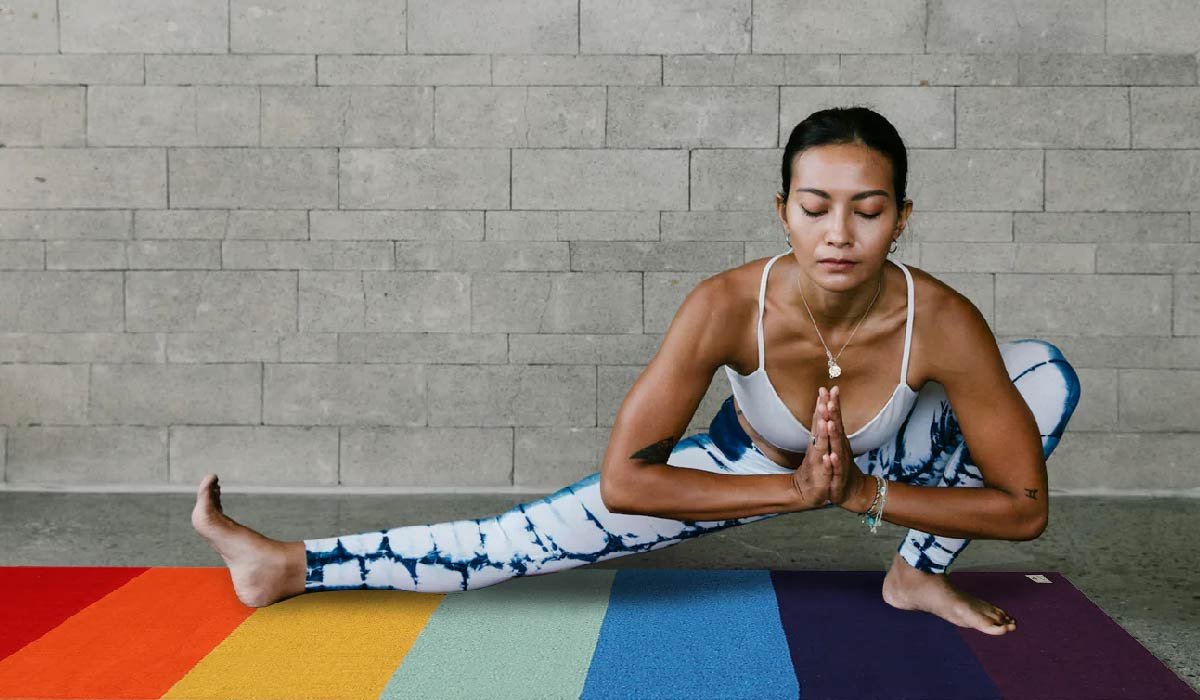
As yogis increasingly value mindfulness both off the mat and on it, the equipment we use is receiving its own ethical and environmental makeover. Perhaps mostapparent among the changes is a trend back to natural, heritage surfaces, particularly the cotton yoga mat. Lightweight, airy, biodegradable, and drenched in practice tradition, cotton mats are redefining what modern practitioners think about traction, sweat control, and sustainability.
This article delves into why the cotton yoga mat is becoming more popular in 2025, how it holds up compared to man-made mats, how to properly take care of one, which types of yoga it is most appropriate for, and why selecting natural products is an extension of a thoughtful practice.
1. Why is eco-friendly yoga important now
Yoga is not just body movement — it’s a philosophy of respect, non-violence and attention. For many this carries over into responsibility for the environment. Petroleum-based products and plastics (PVC, TPE, some rubbers) hold sway in the market of yoga mats and can leave a large footprint in manufacture and discard.
The outcome: more yogis are asking, “How can my practice be less harmful to the planet?” The cotton yoga rug satisfies that question for many by providing a biodegradable, renewable option that is still conducive to serious practice — particularly for heat and breath-intensive styles.
2. What is a cotton yoga rug?
A cotton yoga rug is a woven fabric — most commonly cotton or a blend of cotton — designed to a specific size and finish for yoga practice. Traditionally utilized in Mysore-style Ashtanga classes, these rugs offer a tactile surface that sheds sweat and provides traction when slightly wet. A cotton rug is thin and pliable, as opposed to a thick rubber mat, and is often reversible, with the option to layer over a thinner mat or practice on it alone based on personal preference.
Common features:
- Constructed from natural cotton, occasionally combined with linen or hemp.
- Surface of loops or weaving for texture and traction.
- Lightweight and collapsible for portability.
- Machine washable in most instances (refer to care instructions).
3. The green edge: how cotton trumps many synthetics
The following represent the fundamental environmental benefits of a cotton yoga mat:
- Renewable crop. Cotton is a plant crop and biodegradable when left untreated.
- Lower end-of-life effect. In contrast to PVC mats that last for decades in landfills, a cotton rug will biodegrade naturally if composted.
- Fewer toxic production (possibly). If grown and manufactured sustainably (organic cotton), it can bypass most petrochemical additives used in synthetic mat manufacturing.
- Opportunities for ethical production. Most small studios and artisan producers source cotton from fair-trade or small farmers,providing community benefits.
That being the case, not all cotton is created equal. Conventional cotton production can be water-hungry and agrochemical-dependent. The most environmentally friendly choice is organic or recycled-content cotton and sustainably made rugs from transparent manufacturers.
4. Practical advantages of practicing on a cotton yoga rug
Aside from its more sustainable credentials, the cotton yoga rug has a few practical advantages:
a) Improved sweat management
Cotton is hygroscopic. When practiced hot or vigorously, a cotton mat absorbs sweat, and even if moist, it tends to provide greater grip instead of being slippery. For this reason, lots of hot-yoga studios even today use cotton mats stacked over a non-slip material.
b) Grounding tactile feel
The feel of woven cotton offers a physical connection to the ground that most practitioners identify as “grounding.” That direct contact can heighten balance awareness and sense of stability.
c) Portable & lightweight
Cotton rugs fold up and go easily into a bag — excellent for travel or outdoor use. They also usually weigh less than heavy rubber mats but cover a bigger practice area.
d) Versatile use
Cotton rugs serve as picnic blankets, meditation shawls, or altar cloths. Because they’re multifunctional, they’re an eco-friendly, sustainable purchase.
e) Tradition + authenticity
For Ashtanga or Mysore style practitioners, cotton rugs pay homage to the tradition that has utilized these textiles for generations. The rug no longer qualifies as merely gear — it becomes a connection to history.
5. Cotton yoga rug vs. regular yoga mats — a pragmatic comparison
| Feature | Cotton Yoga Rug | Standard Synthetic Yoga Mat |
| Grip (dry) | Moderate, textured | High (sticky) |
| Grip (sweaty) | Improves when damp | Varies — can become slippery without texture |
| Cushioning | Minimal (thin) | Good to excellent (3–6+ mm) |
| Portability | Very portable (folds) | Portable, but bulkier |
| Eco impact | Biodegradable (esp. organic) | Often petroleum-based, less biodegradable |
| Care | Machine wash (usually) | Wipe clean; some washable |
| Best for | Ashtanga, hot yoga, meditation, travel | Vinyasa, restorative, floor cushioning needs |
Bottom line: a cotton yoga rug is ideal when you need breathability, sweat control and green credentials; a standard mat is preferable when joint support and cushioning are high on your list. Many yogis use both — a thin base mat for cushioning and a cotton rug on top for grip and sweat absorption.
6. Which yoga practices are suited to a cotton yoga rug?
Cotton rugs are particularly well suited to these practices:
- Ashtanga / Mysore — Tradition favourite rug; accommodates lengthy sequences and dripping palms.
- Hot Yoga — Moisture is absorbed and enhances grip when wet.
- Pranayama & Meditation — Thin profile of the rug maintains an earthy seat and relaxed posture.
- Outdoor & Beach Yoga — Durable and simple to clean after sandy practice.
If your practice is heavy on long kneeling holds, wrists on hard surfaces, or frequent inversions with significant pressure on the neck, consider layering a thin mat under the cotton rug for extra padding.
7. How to care for a cotton yoga rug
Proper care will extend the life of your rug and keep it hygienic:
Washing
- Most cotton yoga rugs can be washed in a machine. Gently wash with cold water and mild soap.
- No strong bleach or fabric softeners as they destroy fibre integrity and decrease absorbency.
Drying
- Air dry if possible. Tumble drying low sometimes is tolerable but hastens wear.
- Occasionally hang outside in the sun to revitalize and naturally sanitize (UV assists).
Spot cleaning
- For minor stains or sweat residue, spot clean using a mild soap and cold water.
Storage
- Fold loosely,avoid tightly rolling for long periods as creases can set.
- Store in a dry, ventilated area to prevent mildew.
Refreshing grip
- If the rug feels stiff after washing, a short steam or light spritzing before practice can restore texture.
8. Real-life stories: How yogis use cotton rugs today
- The Hot Studio Teacher: Teachers at busy hot studios put thin rubber mats beneath cotton rugs. The rugs catch heavy sweat, keep hands and feet from slipping, and are washable between classes. Students enjoy the earthy texture.
- The Traveling Yogi: A retreat leader totes a cotton yoga mat as a light travel item that serves as a beach blanket and meditation shawl. Easy to shake out and wash after seaside practice.
- The Home Practitioner: A beginner replaced an old PVC mat with a cotton rug and found less smell build-up and a more conscious connection during seated practice.
9. Selecting an appropriate cotton yoga rug — purchase guide
When purchasing a cotton yoga rug, look for these factors:
Material & weave
- Organic cotton or cotton-linen blend is best. Even, tight weaves are more durable.
- Avoid rugs with dense chemical finishes that hinder biodegradability.
Size
- Standard rugs fit most mats; some are wider for added comfort. Select a size to accommodate your stance and movement.
Weight & portability
- Lighter weaves are suitable for travel; heavier weaves provide a more substantial feel on the floor.
Texture & grip
- Looped or textured weave provides more grip. If you practice very intensely, test how the rug performs when a bit wet.
Source & makers
- Opt for suppliers with open supply chains, fair labor conditions, or local makers. Small batch, handmade rugs tend to have lower transport emissions and improved social value.
10. Adding a cotton yoga rug to your green practice
Making the switch to a cotton yoga rug can be a meaningful part of a larger sustainability commitment:
- Layer mindfully: Use a lightweight recycled-content mat underneath the rug for joint support instead of frequently replacing cushioning mats.
- Purchase less, buy better: Higher-quality rugs last longer — fewer replacements = reduced footprint.
- Repair to extend life: Fix small frays instead of tossing.
- Recycle or compost: To retire the rug, compost unbleached cotton or reuse the fabric as rags or cushion filler.
These little actions keep the ethics of yoga (ahimsa — non-harm) consistent in your gear selection.
12. Practice with mindfulness — for your body and the planet
The selection of a cotton yoga mat is more than a gear swap — it’s a value statement. It’san indication that one wants to bring the principles of mat practice into alignment with the decisions made off the mat. Cotton mats provide a concrete, material option for reducing plastic dependence, re-embracing sensorial tradition, and improving sweaty, breath-intensive practice.
If your practice values simplicity, breath, and eco-friendliness, a cotton yoga rug might not be simply a pleasant addition — it could become a daily reminder that your practice reaches far beyond the hour on the mat.