

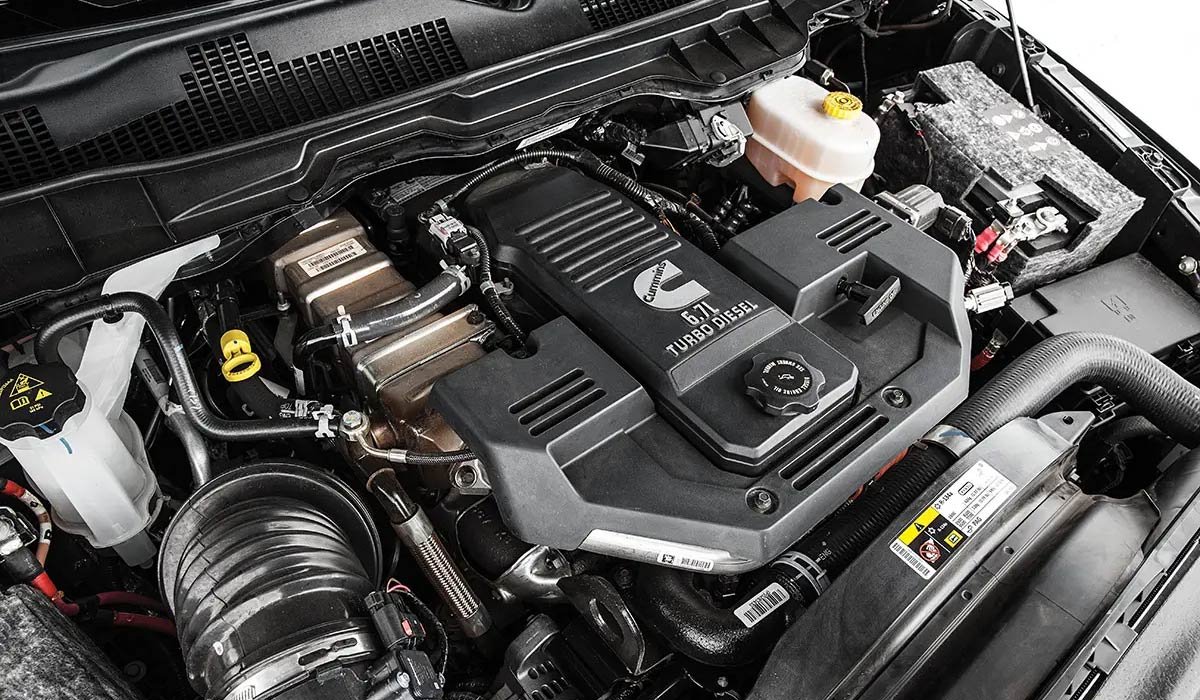
Setting the Stage: Why Upgraded Diesel Power Matters
Diesel trucks are being asked to haul more, burn less, and emit cleaner exhaust—all at the same time. Average pickup towing capacities now float around 12,000 lbs, with owners expecting 20+ mpg highway even under moderate loads. Fuel prices are creeping higher, which means efficiency gains matter as much as torque jumps. Aftermarket adoption has surged, with roughly 35% of diesel owners modifying at least one performance component within the first three years. The pressure is clear: meet the demand without sacrificing drivability or compliance.
Assessing Diesel Tuning Options for Maximum Returns
From ECU remaps to snap-in modules, each tuning approach has its own payout. A professional remap can yield 80+ horsepower and triple-digit torque gains while preserving factory smoothness, but it locks you into a specific calibration. Plug-in chips offer quick installation with mild increases—often 40 hp—with minimal downtime. Handheld programmers provide flexibility but require a sharper learning curve. Warranty terms vary wildly, and flirting with the limits of factory thresholds can trigger dealer scrutiny. Choose based on your target gains and risk appetite.
Turbocharging Upgrades That Make a Difference
An undersized stock turbo is a leash on torque potential. Moving to a larger compressor trim or a hybrid unit shrinks spool lag and widens the usable boost band. Specs like a 64 mm inducer or an A/R ratio tuned to midrange efficiencies can transform drivability, pulling hard from 1,800 rpm instead of wasting breath. Common installs swap turbos alongside upgraded intercooler piping to prevent heat soak. Done right, you’ll feel the torque curve fatten and stretch, not spike and fall off.
Fuel Delivery Enhancements for Smoother Combustion
Your injectors and pump dictate how well those extra pounds of air translate into usable force. High-pressure common rail pumps paired with finely balanced performance injectors refine spray atomization, leading to cleaner burn cycles and steadier idle. Stability in combustion pays dividends in throttle response under load. However, pushing delivery pressures can shorten part lifespan without proper filtration or fuel conditioning. It’s the difference between sustained performance and an expensive teardown.
Fine-Tuning Through Advanced Engine Management Software
Modern tuning suites are light-years ahead of decade-old flash tools. Closed-loop safety protocols watch your AFRs and EGTs in real time, while fully programmable load maps let you dictate power output in specific gears. Data logging layers give you hard evidence instead of gut feelings. Compatibility runs deep for popular diesel platforms, though the interface and function set can differ sharply between pro-grade tools and DIY consumer versions. The best setups balance precision control with safeguard redundancy.
Breathability Upgrades: Intake and Exhaust Strategies
Airflow is currency. A ported intake manifold or higher-flow intercooler core trims restriction and drops intake temps. Pair that with a larger downpipe and a low-restriction cat-back to pull exhaust gases out faster, reducing EGTs under sustained towing. Some systems cut sound levels despite higher flow thanks to intelligent resonator design. The real payoff is an engine that breathes without strain at highway pace or on steep grades.
Integrating Proven Parleys Diesel Upgrades
Parleys diesel performance offers packages tailored to hard-use diesel owners who expect measurable results. Their flagship lineup includes:
• High-flow turbo kits engineered for rapid spool at towing RPM ranges
• Precision-balanced performance injectors rated for extended service intervals
• Custom ECU calibrations matched to specific turbo and fuel upgrades
Each is built for efficiency under load, not just big dyno numbers.
Balancing Power Gains with Long-Term Reliability
Raw output means nothing if your rig breaks before payday. Post-upgrade, oil and filter changes should tighten to 5,000-mile intervals. Air filters deserve inspection monthly in dusty climates, and coolant systems need annual flushing to keep temps under control. Monitor boost peaks and fuel trims with the same seriousness as tire pressure. Neglect is the fastest route from peak performance to permanent garage time.
Calculating Return on Investment for Diesel Modifications
A $3,000 upgrade netting 80 horsepower and a 2 mpg gain can pay off within 18 months for heavy haulers logging 25,000 miles annually. A simple formula: annual fuel savings plus anticipated resale bump, divided by total mod cost. Strong resale in diesel trucks often rewards tasteful, functional performance upgrades with $1,500–$2,500 added value. Hard numbers beat any brochure promise.
From Dyno Room to Daily Drive: Validation and Testing
Start with baseline runs to nail down your stock curve and metrics. A proper dyno session post-upgrade reveals where gains appear on the RPM band and helps spot potential abnormalities before they cause harm. On-road verification matters just as much. Use data logging checkpoints across varied terrain. Compare the chart’s truth to seat-of-the-pants impressions, letting the real-world test confirm the lab results.
Sustaining Peak Performance: Building a Diesel Legacy
Power is only half the legacy; consistency builds the rest. Keep ECU tunes current with software updates that refine fuel and boost control. Replace wear-prone parts like injectors or turbo bearings before they fail, not after. Engage in reputable online forums, attend diesel trade shows, and partner with pro tune shops that know your platform inside out. That’s how you keep a rig running at its peak for decades.