

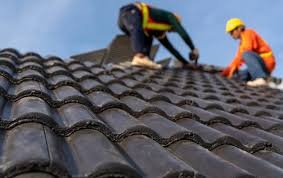
A home’s roof plays a much larger role than simply protecting the structure from rain and sunlight. It directly influences how comfortable the interior feels and how much energy is required to maintain that comfort. When a roofing system is designed and maintained properly, it helps regulate temperature, manage airflow, and reduce energy loss throughout the year. Homeowners who understand this connection are better equipped to make decisions that support both comfort and long term efficiency with help from professionals such as AG Exterior Solutions.
Energy efficiency and indoor comfort are closely linked to how well a roof functions as part of the home’s overall system. Heat transfer, ventilation, insulation, and material performance all work together above the living space. When one element is lacking, indoor temperatures become inconsistent and energy usage increases. Over time, this imbalance leads to higher utility costs and reduced comfort.
By understanding how roofing systems contribute to efficiency, homeowners can take proactive steps to improve performance. These improvements not only create a more comfortable living environment but also support long term savings and better home value.
The Roof as a Thermal Barrier
The roof acts as the first line of defense against outdoor temperature changes. During warmer months, it limits how much heat enters the home, while in colder months it helps retain warmth indoors. This thermal barrier reduces the workload placed on heating and cooling systems.
When roofing components are functioning properly, temperature fluctuations inside the home are minimized. Consistent indoor temperatures make living spaces more comfortable and reduce energy consumption. A well performing roof helps maintain balance regardless of seasonal changes.
This thermal role highlights why roof condition matters so much for daily comfort.
Insulation and Its Impact on Comfort
Insulation beneath the roof plays a critical role in energy efficiency. It slows the transfer of heat between the attic and living areas. Without adequate insulation, heat escapes in winter and enters freely in summer.
Proper insulation helps maintain stable indoor temperatures and prevents drafts. It also protects against moisture buildup that can affect air quality. When insulation is compromised, energy efficiency declines quickly.
Evaluating insulation as part of the roofing system supports long term comfort and cost control.
Ventilation and Airflow Balance
Ventilation allows hot and moist air to escape from the attic, preventing heat buildup and condensation. Balanced airflow protects roofing materials and improves indoor comfort.
Without proper ventilation, attics trap heat that radiates downward into living spaces. This makes cooling systems work harder and increases energy usage. In colder months, trapped moisture can affect insulation performance.
A well ventilated roof supports temperature regulation and healthier indoor conditions.
Material Choice and Energy Performance
Roofing materials vary in how they absorb or reflect heat. Some materials reflect sunlight, reducing heat transfer into the home. Others provide strong insulating properties that support temperature stability.
Choosing materials suited to the local climate improves energy performance. Light colored or reflective surfaces are especially effective in warmer regions. These material properties directly influence indoor comfort levels.
Material selection should always consider long term energy impact rather than appearance alone.
The Importance of Proper Installation
Even the best materials cannot perform well if installed incorrectly. Gaps, misalignment, or improper sealing allow air and heat to escape. This reduces efficiency and creates uncomfortable temperature variations indoors.
Correct roof installation ensures that insulation, ventilation, and materials work together as intended. Precision during this process supports long term energy performance and prevents avoidable losses.
Professional attention to detail during roof installation has a lasting effect on comfort and efficiency.
Reducing Strain on Heating and Cooling Systems
When the roof manages temperature effectively, heating and cooling systems operate more efficiently. They cycle less frequently and maintain desired temperatures with less effort.
This reduced strain extends the lifespan of HVAC equipment and lowers maintenance costs. Homeowners also benefit from quieter operation and more consistent comfort throughout the home.
Energy efficient roofing supports the entire mechanical system.
Moisture Control and Indoor Air Quality
Moisture trapped within roofing systems affects both comfort and health. Poor moisture control leads to damp insulation and mold growth, which compromise indoor air quality.
A well designed roofing system manages moisture by directing water away and allowing humidity to escape. This creates a drier, healthier indoor environment.
Comfort is not just about temperature but also about air quality and humidity control.
Long Term Energy Savings
Energy efficiency improvements made through roofing upgrades provide lasting financial benefits. Lower heating and cooling demands translate into reduced utility bills year after year.
These savings add up over time, often offsetting the cost of improvements. Homeowners who invest in efficient roofing systems benefit from predictable expenses and improved comfort.
Long term planning focuses on performance rather than short term fixes.
Professional Evaluation and Planning
Understanding how a roof affects comfort and efficiency requires professional evaluation. Experts assess ventilation, insulation, materials, and overall condition to identify opportunities for improvement.
Through careful assessment, AG Exterior Solutions helps homeowners understand how their roofing system contributes to energy performance. Clear guidance allows homeowners to prioritize upgrades that deliver meaningful results.
Professional insight ensures improvements are both effective and appropriate.
Creating a More Comfortable Home Environment
Comfortable homes maintain consistent temperatures, balanced humidity, and clean airflow. Roofing systems play a central role in achieving this balance. When all components function together, living spaces feel more stable and enjoyable.
Thoughtful roofing decisions reduce discomfort caused by drafts, hot spots, or uneven temperatures. This improves daily living and overall satisfaction with the home.
Comfort is a direct result of system performance.
Conclusion
Roofing systems influence energy efficiency and indoor comfort in powerful ways. From insulation and ventilation to material performance and roof installation, each element contributes to how well a home regulates temperature and airflow. Homeowners who understand this connection can make informed decisions that improve comfort and reduce energy costs. With professional guidance and thoughtful planning, AG Exterior Solutions helps homeowners create roofing systems that support efficient performance, healthier indoor environments, and long term comfort for years to come.