

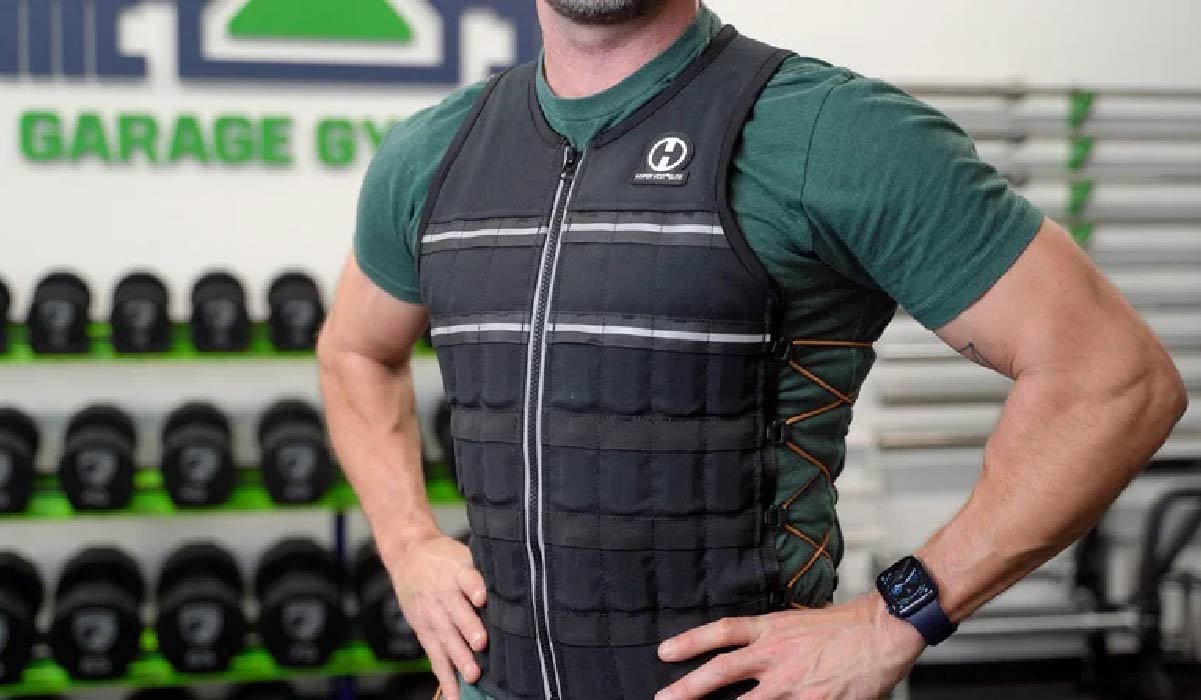
Running is one of the most common ways to stay fit, and many people are always looking for ways to improve their speed and endurance. One tool that has gained attention in recent years is the weighted vest. A weighted vest is a wearable vest that adds extra weight to your body, making your workouts more challenging and helping to build strength and stamina.
When used properly, a weighted vest can make running more effective. It increases the resistance on your muscles, forcing them to work harder than usual. This added effort can help improve cardiovascular fitness, leg strength, and overall endurance. For people who are training for long distances, incorporating a weighted vest into running sessions can gradually condition the body to handle tougher challenges without overloading the joints.
Weighted vests are versatile and can be used for different types of running. For sprint training, a vest can make short bursts of high-speed running more intense. Sprinters who use a weighted vest during practice often notice an improvement in explosive power and acceleration. The extra weight challenges the muscles and can help runners develop faster leg turnover and stronger core stability, which is essential for maintaining balance and posture while sprinting.
For long-distance running, a lighter weighted vest is often recommended. The goal is not to slow down the run excessively but to provide a moderate load that enhances endurance and stamina over time. A weighted vest for long distance running can also help improve energy efficiency and running form. By carrying a controlled additional weight, the body learns to move more efficiently and maintain strength over extended periods. Over weeks of consistent training, this can translate into improved performance on race days or during extended training sessions.
It is important to choose a weighted vest that is comfortable and adjustable. A vest that fits poorly or shifts during movement can cause discomfort and may even lead to injury. Many vests come with adjustable straps or removable weight plates, allowing runners to control the load and progress gradually. Starting with a lighter weight and slowly increasing it is a safe approach, especially for beginners or those who are returning to running after a break.
Running with a weighted vest also engages more muscles compared to running without one. The extra weight activates the core muscles, shoulders, and back, in addition to the legs. This full-body engagement can lead to better overall fitness and help prevent muscular imbalances. For people who spend a lot of time in mechanical work or automotive repair, stronger core and back muscles are especially beneficial, as they improve posture and reduce the risk of fatigue during long hours of standing or lifting.
Weighted vests are not limited to running. They can also be used for walking, stair climbing, or other forms of cardiovascular exercise. Including them in a diverse training routine can enhance endurance and strength without requiring long hours of high-intensity workouts. The adaptability of weighted vests makes them useful for a wide range of users, whether they are athletes, casual runners, or people looking to maintain overall fitness while managing a physically demanding job.
While weighted vests offer many benefits, proper use is crucial to avoid injury. It is recommended to warm up thoroughly before running and to pay attention to any signs of discomfort in the joints or back. Running with extra weight increases stress on the body, so recovery and stretching are important components of the training routine. Listening to your body and adjusting the weight or duration as needed can prevent overuse injuries and ensure long-term progress.
Another consideration when using weighted vests is the impact on running form. Wearing a vest can slightly change posture and gait, so it is important to maintain proper alignment. Keeping the chest up, shoulders back, and core engaged helps distribute the weight evenly and reduces strain on specific muscle groups. Over time, the body adapts to the additional weight, which can lead to improved posture even when running without a vest.
For people who are focused on practical applications, such as mechanics or automotive workers, running with a weighted vest offers added functional benefits. The training mimics real-life conditions where lifting, bending, or carrying tools is required. Strengthening the legs, core, and back through weighted running translates into better performance during physical tasks and reduces the likelihood of fatigue-related mistakes. This functional fitness approach combines cardiovascular health with muscular endurance in a way that is directly applicable to daily work or hobbies.
Maintenance and care of a weighted vest are also important to ensure longevity and safety. Most vests are made with durable materials, but repeated exposure to sweat, moisture, and friction can wear down straps and padding. Cleaning the vest according to the manufacturer’s instructions and checking for signs of damage can prevent accidents and keep the vest comfortable to use. Proper storage, such as hanging or placing the vest in a ventilated area, also helps maintain its shape and function.
In addition to structured running sessions, weighted vests can be used in interval training or circuit workouts. Alternating between periods of running with and without a vest can challenge the cardiovascular system while allowing moments of recovery. This approach can improve both speed and endurance without putting excessive stress on joints and connective tissues. Consistency in training, along with gradual progression in weight and intensity, is key to achieving results while minimizing the risk of injury.
Weighted vests come in different designs, from soft fabric vests with small weight pockets to rigid tactical-style vests with removable plates. Choosing the right style depends on personal comfort, the type of running, and the training goals. Lightweight, flexible vests are often preferred for longer runs, while more structured vests may be suitable for short, high-intensity sprints. Adjusting the vest to fit snugly around the torso ensures stability during movement and maximizes the benefits of the added resistance.
Overall, using a weighted vest for running can be a simple yet effective way to boost performance. It increases resistance, improves strength, enhances endurance, and engages multiple muscle groups. For those who work in physically demanding environments or have active hobbies, the benefits extend beyond running, helping to build functional strength and improve posture. By incorporating weighted vests into a well-rounded fitness routine, runners can gradually improve speed, stamina, and overall physical resilience.
In conclusion, weighted vests provide an additional tool for runners looking to enhance performance, whether for sprint training or long-distance running. Choosing the right vest, using it properly, and progressing gradually are essential for maximizing benefits and minimizing risks. For individuals seeking to combine cardiovascular exercise with strength training, weighted vests offer a practical and adaptable solution that can complement a variety of workouts and daily physical activities.