

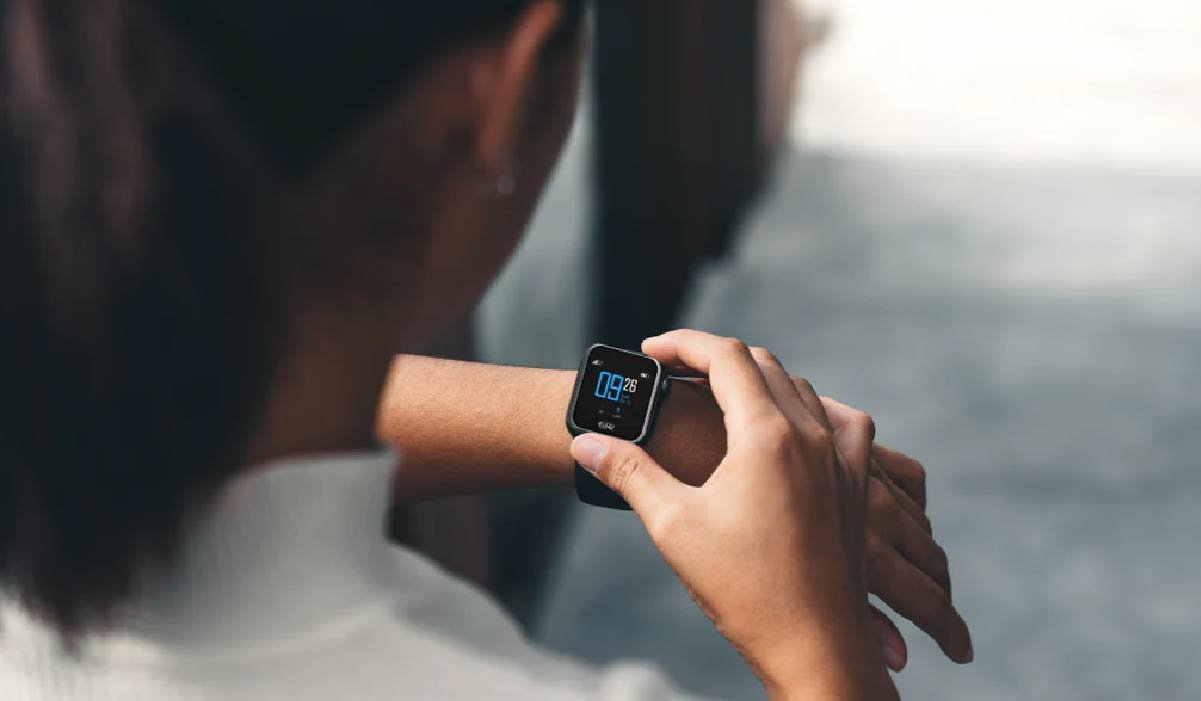
In recent years, wearable technology has moved from novelty to necessity. Devices that once felt experimental are now woven into daily routines, quietly supporting healthier habits and more mindful living. From tracking steps to monitoring sleep, wearables have become trusted companions rather than flashy gadgets.
Technology That Fits Into Daily Life
One of the key reasons wearables have succeeded is their ability to blend into everyday life. Unlike larger pieces of technology, they are designed to be worn for hours at a time without causing discomfort or distraction. Good design prioritises lightness, durability, and ease of use. When a device feels natural on the wrist, users are far more likely to rely on it consistently.
This is where personalisation becomes essential. The ability to adapt a device to different situations—work, exercise, or social events—adds significant value. Accessories such as Fitbit straps allow users to change the look and feel of their device without replacing the technology itself. A simple swap can make the difference between a sporty daytime style and something more subtle for the evening.
Health, Motivation, and Behaviour
Beyond aesthetics, wearables play an important role in shaping behaviour. By presenting data in an accessible way, they encourage people to reflect on their daily choices. Seeing how movement, rest, and routine interact can be surprisingly motivating. Small nudges, such as reminders to stand or breathe, often lead to long-term improvements in wellbeing.
Importantly, wearables do not demand perfection. They focus on progress rather than pressure. This approach aligns well with modern attitudes towards health, which increasingly emphasise balance and sustainability over extremes. Technology becomes a guide rather than a judge.
Style as a Form of Expression
As wearables have become more common, expectations around their appearance have evolved. Users no longer want devices that look purely functional. Instead, they expect technology to reflect their personal style. This has led to a growing market for interchangeable accessories, colours, and materials.
The ability to customise a wearable also strengthens emotional attachment. When something feels uniquely yours, you are more likely to care for it and continue using it. In this sense, design is not superficial; it directly influences long-term engagement.
Looking Ahead
The future of wearable technology lies in subtlety and integration. Devices will become smarter, but also quieter in how they operate. The goal is not to overwhelm users with data, but to support them gently and effectively.
As technology continues to evolve, the most successful wearables will be those that respect individuality. By combining useful insights with comfort and personal expression, they will remain relevant tools in an increasingly connected world. Ultimately, the best technology is the kind you almost forget you are wearing—until it makes your day a little better.