

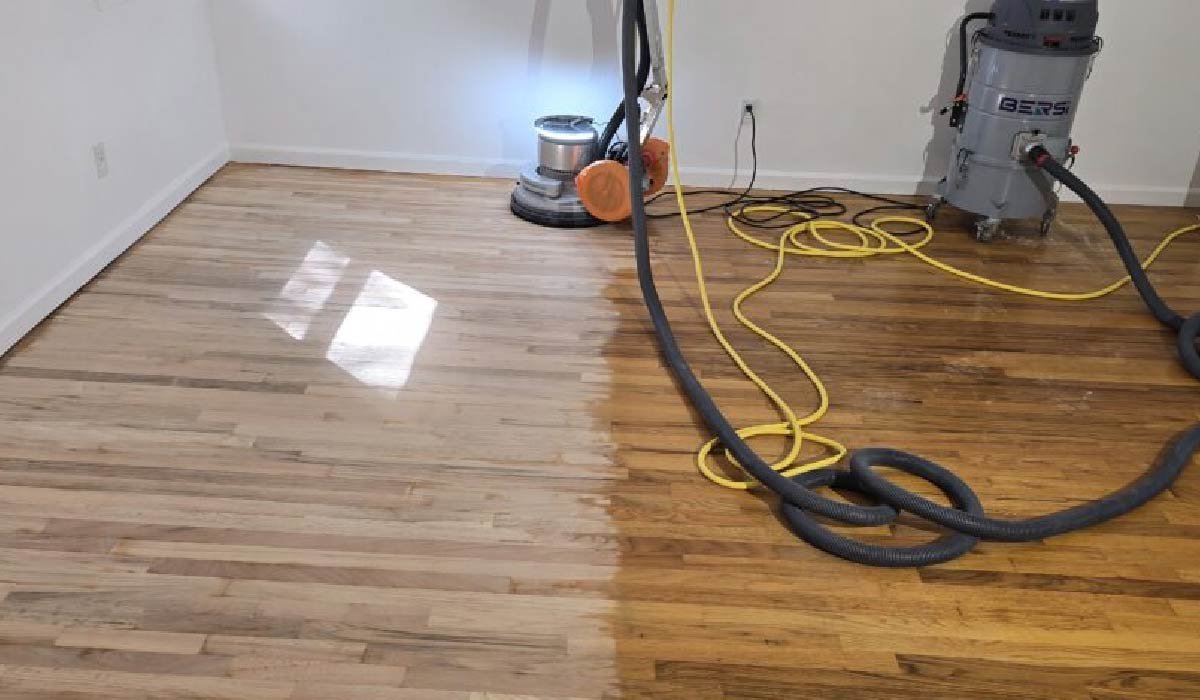
Many homeowners assume that once wooden floors begin to look worn, scratched, or uneven, replacement is the only option. But old wooden floors have more potential than most people realise. Beneath years of damage often lies high-quality timber waiting to be revived. Restoring wooden floors instead of replacing them is not only affordable—it’s sustainable, character-preserving, and remarkably transformative when handled correctly.
Wooden floors are one of the few interior features that can return to their original beauty with the right skills, tools, and restoration methods. Understanding how the process works is the first step to bringing aged flooring back to life.
Old Floors Rarely Need Replacing—They Need Revealing
Time leaves marks on wood: dents from furniture, scratches from pets, fading from sunlight, gaps caused by temperature changes. These signs of age can make floors appear beyond repair, but in reality, they indicate that the surface layer has simply reached the end of its cycle.
Professional restoration methods such as sanding, polishing, gap filling, or applying new finishes remove that tired outer layer to reveal the untouched timber beneath. Most wooden floors can endure multiple restorations over their lifespan, making the process significantly more cost-effective than full replacement.
“The condition of the surface rarely reflects the true condition of the wood underneath.”
This is the key reason restoration should always be considered before replacement.
Identifying the True Problems Before Restoring
Restoration begins with understanding what caused the visible deterioration. Different issues require different techniques, and applying the wrong treatment can worsen the floor’s condition. Common problems include deep scratches, loose boards, uneven levels, staining, and draught-producing gaps between boards.
Typical signs that your wooden floors are ready for restoration:
- surface dullness that no longer responds to cleaning
- visible grooves or wear paths in high-traffic areas
- uneven colouring or dark patches from moisture
- movement or creaking caused by loose boards
- widening gaps due to seasonal expansion and contraction
Restoration Techniques That Bring Floors Back to Life
Restoring wooden floors without replacing them involves a combination of professional techniques designed to correct structural wear and improve appearance. One of the most effective stages is precision sanding. Skilled specialists use commercial-grade sanding machines to remove old varnish, stains, and damaged fibres while keeping the surface even and smooth.
Once sanded, the natural grain of the wood becomes visible again—often looking dramatically younger than before. From here, polishing, staining, and sealing allow homeowners to choose either a refreshed natural look or a completely new tone.
Gap filling is another important step for older floors. Gaps not only collect dust but also create draughts and weaken stability. Professional resin-based fillers or reclaimed wood slivers are used to restore uniformity without replacing boards.
These methods allow floors from the early 1900s to look as if they were laid yesterday—without losing their original character.
Why Professional Help Maximises Results
DIY methods may seem appealing, but amateur sanding can leave drum marks, dips, and gouges that reduce the lifespan of the floor. Professional restoration teams use balanced machines, calibrated abrasives, dust-control systems, and finishing products selected for the exact wood type.
Experienced specialists also know how to manage moisture-related issues and subfloor conditions. That’s why homeowners often combine restoration with additional improvements, such as under-floor insulation. Using trusted FloorOx services, many clients improve both the aesthetic and thermal performance of their floors at the same time.
Restoration Preserves History, Value, and Sustainability
Replacing wooden floors destroys heritage wood that could otherwise last decades longer. Restoring them preserves authenticity and prevents unnecessary waste. Homes with original timber often see higher resale value, as restored floors retain the charm and craftsmanship that modern flooring cannot replicate.
In essence, restoration is not just a repair—it is an investment. It honours the past, improves the present, and protects the future of a home’s interior design.