
The Journey of a Perfume Bottle Manufacturer: From Concept to Masterpiece in Fragrance Packaging

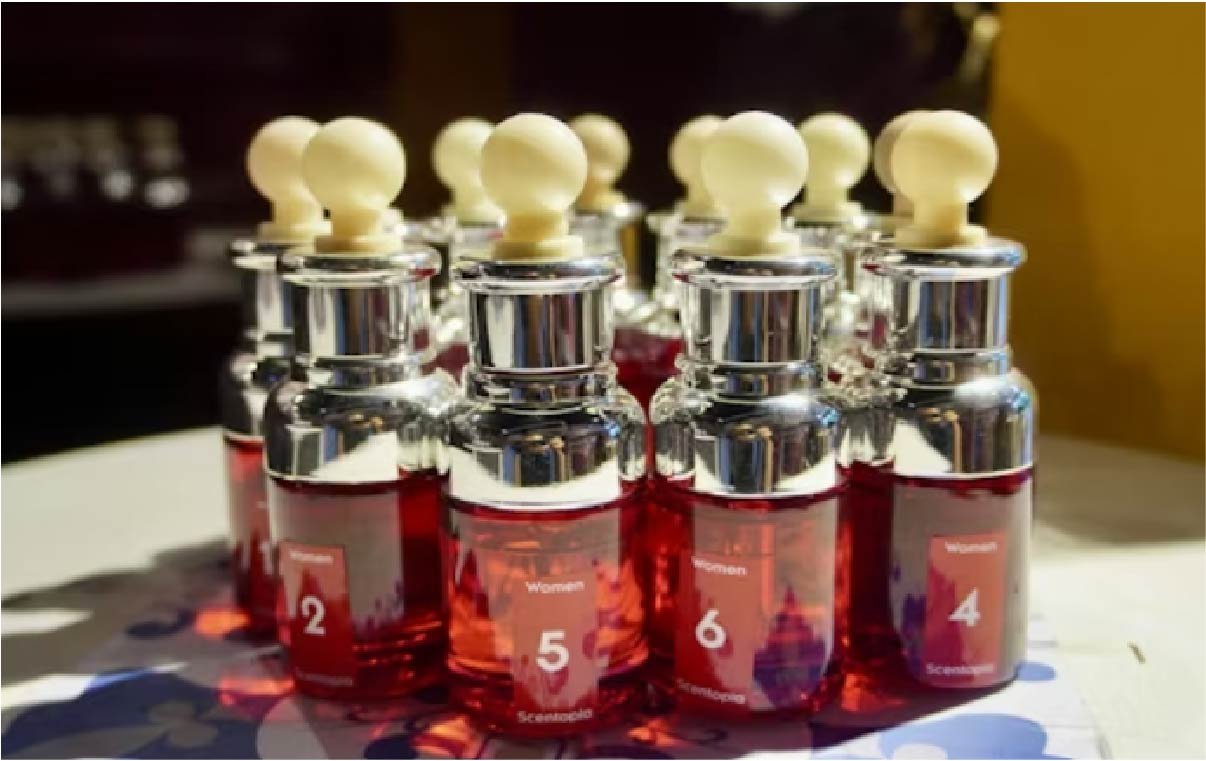
As perfume packaging plays a big role in storytelling and positioning in the beauty industry, the world of B2B fragrance production and packaging has an even bigger role to play. In transforming vision into packaging and complexity into simplicity, the artistry, architecture, innovation, and technologies of perfume bottle manufacturers are streamlined into the production of glass and plastic packaging. Every elegant fragrance bottle captures the vision of the industry to transform luxury into a tangible product.
The transition from sketch to cardboard and shrink-wrap is a multi-level, multi-layer, and multi-actor process. In the world of engineering, architecture, design, and manufacturing, each construction is a statement of individuality as identity. Let us demonstrate how these manufacturers change imagination into reality in record time, utilizing a highly-structured process that redefines the future of premium perfume packaging.
Inspiration and Concept Development: Translating Emotion into Form
Every world class perfume bottle is a statement. It is a statement of the story. The story is about perfume. It is the capture of the emotion. It embodies the distinct identity, and the unique style of the fragrance. It is the visionary narrative of the industry that the fragrance packaging captures, and redefines. It is the vanguard of perfume packaging. In the world of b2b manufacture, the story of perfume packaging begins with a glass. The story of glass starts with the design. This is the perfume bottle manufacturer’s story. It is a story of design. It is the story that begins with perfume packaging design.
The concept stage starts with a story and it is the story of the perfume. The perfume is the product. The product is luxury. It is the focus of the industry. The top of the world beauty industry. The story starts with the fragrance, the perfume, and the industry. It is designed. It takes the perfume bottle manufacturers. It takes the industry, the beauty, and then the top of the world fragrance, and luxury is in the packaging.
A wide array of sketches, digital designs, and mood boards continue collaboration between teams. Different 3D design software allows teams to simulate various shapes and colors, as well as test how light interacts with the surface of a bottle design to predict the feel and look of a design after production.
There lies a balance between artistic design and manufacturability. Stunning designs can be created, but a keen eye is needed to determine if a design is possible to mass produce. Integrating the artistic vision with manufacturability is the most important role of the manufacturer’s engineer.
At this point, something abstract, the design of a bottle, starts to take on a more tangible form, something that also symbolizes a high degree of craftsmanship, as well as emotion and prestige.
Engineering and Mold Design: Crafting the Blueprint of Perfection
Engineers take on a new role, designing structures based on the new approved design from the previous phase to develop a new set of construction documents. The design of production molds is the first step where imagination shifts to reality.
Detailing the future bottle to an extreme degree is the focus of new, high-quality precision molds, created from aCombination of CNC machining, 3D printing, and tethering computer simulations. These molds determine production cost and speed. More importantly, defects originating from the mold will translate to defects in the end product, impacting clarity, symmetry, and balance to the detriment of the design.
Extreme molding conditions also need to be considered – engineers need to predict the high internal temperatures that molded glass will produce and how that will affect the mold.
Mold designing requires both science and artistry and the understanding of material composition at cooling airflow, and flow dynamics. The goal is to keep the design the same while balancing design production efficiency.
At this stage, perfume packaging and perfume bottle manufacturers mostly work together with resources and expertise to adjust technical details around the neck, and the cap dimension and compatibility. The design brings together the creative and practical parts of the project and meets the balance on all sides in an outfitting manner.
The Manufacturing Process: From Molten Glass to Timeless Design
In the glass-forming process, all glass burnings are automated to be complimented to craft in the production of the burnings.
Basic burnings of glass, soda ash, silica, and limestone are blended and melted together at over 1500 degrees Celsius, producing the molten glass. The glass is formed in a molten state individually into batches by machines called Individual Section (IS). Technologists control the burn of the mixture to a state that is optimally finished.
At this stage, precision formed, the mixture and shape are finished and the glass formed is monitored by skilled glass workers.
After shaping, the glass containers pass through an annealing lehr, where they will remain for an extended time in specialized ovens designed to cool the containers in a steady and controlled manner in order to relieve tension while increasing the containers strength and integrity. When the containers are done cooling, they will undergo a thorough test to examine them for constancy, balance, and overall strength.
This step highlights the maker’s dual mastery, a perfect blend of industrialism and handcrafted craftsmanship. This craftsmanship is demonstrated by the glass pieces’ emotional functionality and utility, to complement them in their business offerings.
Decoration and Finishing: Where Craftsmanship Meets Luxury
Distinction in decoration is what makes glass bottles more than just accessories; it makes them statement pieces. Finishing techniques also provide varied effects to each design and elevation.
Modern factories employ a wide range of decorative techniques, including:
- Frosting and Etching – Soft finish, tactile.
- Metallic Coating and Hot Stamping – Added shine.
- Screen Printing and Engraving – Precise detail.
- Color Coating and Gradient Tinting – Diverse colors for broader reach.
Manufacturers also ensure functional excellence through precision-engineered components such as pumps, collars, and caps. These parts must not only complement the design but also maintain airtight sealing to preserve the fragrance.
Sustainability is an important aspect for this sector as well. A number of factories now employ eco-conscious staining, water-based printing, and recycling to lessen environmental challenges and sustain luxury.
By way of finishing, letting glass artisans manufacture luxury and glass bottle masterpieces. A statement luxury piece is glass and finish, and an artistic innovation.
Sustainability and Quality Control, The Contemporary Manufacturing Paradigm
In the modern business context, sustainability is equally relevant. Top players in the industry are embracing eco-conscious production practices to achieve global sustainability, and meet unyielding quality demands.
Glass is inherently sustainable. It is 100% recyclable and can be reused infinitely without substandard quality. The incorporation of recycled glass cullet in production which is now widely adopted by many manufacturers is an effective way of altering energy practices.
Forward-thinking facilities are embracing the energy-efficient furnaces, closed-loop cooling systems, and renewable power. Additionally, lightweight bottle designs that are strong and premium in feel are trending.
Diminishing quality control is not an option. We test our bottles for pressure, sealing, and optical clarity to meet the flawless requirements of our B2B clients. Quality consistency across production batches is optimized by automated inspection systems based on AI and robotics.
For producers, these innovations are not simply operational enhancements—they are the embodiment of the responsibility, precision, and teamwork that permeate the entire global perfume supply chain.
Conclusion: The previously described precision and creativity behind every bottle.
A lot goes into preparing each bottle, sorting out a design and perfecting it. Every industrial perfume bottle manufacturer starts with plans and no vision, moving them closer to working with design and engineering.
Once a design is set, perfection is the key. Balancing with other design factors is the biggest challenge. Partnering with perfume packaging suppliers and other engineers, a premium product is curated with history and design elements.
For B2B businesses, packaging partners is the biggest challenge. It is not only about production, but also about leading the market with the highest detail to innovation. Packaging is the finishing touch to a product, but also the starting point to elevating the overall product and a well designed brand.
For each bottle, there is a vision and design which remains after the fragrance fades: meticulously crafted design.