

Reliable targeting can make or break a scientific study. And for many researchers, the most dependable tool available today is custom monoclonal antibodies. These highly specific reagents enable precise protein detection, therapeutic exploration, and new diagnostic platforms.
Above the fold: custom monoclonal antibodies from Boster Bio provide fully tailored development, from antigen design to hybridoma generation and final purification.
Monoclonal antibodies have become an essential part of biological and biomedical research. They offer the kind of precision that mass-produced antibodies often cannot match, especially when detecting low-abundance proteins or studying complex disease pathways.
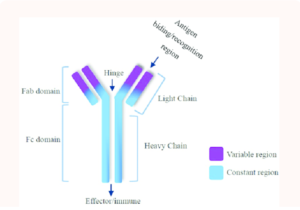
What Are Custom Monoclonal Antibodies?
Custom monoclonal antibodies are lab-generated antibodies created specifically to bind a single epitope on a target molecule. Unlike polyclonal antibodies, which recognize multiple sites, monoclonals offer high uniformity and reproducibility.
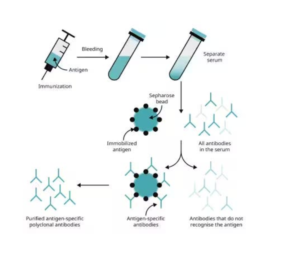
The process typically follows a structured workflow:
- Selecting or designing an antigen
- Immunizing host animals
- Producing hybridoma cells through cell fusion
- Screening for clones that secrete the desired antibody
- Expanding, purifying, and validating the antibody
This well-established method supports applications ranging from immunohistochemistry to neutralization assays. According to NCBI, monoclonal antibodies remain fundamental tools for immunological studies and therapeutic development.
One advantage of going “custom” is the ability to define exactly what the antibody must recognize. Researchers can specify the epitope, ensure cross-reactivity controls, and request assay-specific validation.
For teams working on new biomarkers, rare proteins, or highly conserved targets, custom monoclonal antibodies often deliver the reliability that catalogue antibodies may lack.
Real-World Impact of Custom Monoclonal Antibodies
Custom monoclonal antibodies have reshaped modern biomedical work in several meaningful ways.
1. Precision in Protein Detection
Custom monoclonal antibodies reduce false positives and ensure high signal specificity. This helps scientists interpret results confidently, especially in assays such as Western blotting or tissue staining.
2. Better Tools for Diagnostic Development
Monoclonal antibodies power many diagnostic platforms, including ELISA kits, lateral-flow assays, and immunoassays used in clinical settings. Their uniformity supports consistent batch performance — a requirement for diagnostic accuracy.
3. Support for Therapeutic Discovery
Many FDA-approved treatments are monoclonal antibodies. Early-stage research often begins with custom monoclonal antibodies used for target validation, binding studies, and preclinical testing.
The National Cancer Institute highlights their role in targeted cancer therapies, showing how important they are for precision medicine.
4. Advancing Cell Signaling and Pathway Research
Because they bind with high specificity, monoclonal antibodies help visualize and quantify activity within cell pathways. This is essential for understanding immune response, inflammation, and oncogenic signalling processes.
Why Custom Monoclonal Antibodies Matter for the Future
Biology is becoming more complex, and research questions are becoming more detailed. Custom monoclonal antibodies support this shift by offering tools designed exactly for the experiment at hand.
Future trends are already forming:
- AI-assisted epitope prediction
- High-throughput hybridoma screening technologies
- Improved antibody engineering and humanization approaches
- Expansion of monoclonal antibodies into diagnostics and companion tests
These advancements help scientists produce better, more stable antibodies that can handle demanding applications. As precision medicine grows, the need for specialized antibodies increases as well.
Global scientific efforts, such as large-scale proteome mapping, also rely on monoclonal antibodies to characterize thousands of yet-unexplored proteins.
SPR-based characterization and sequence-level engineering will continue making custom monoclonal antibodies a central tool in both industry and academia.
Benefits for Researchers, Businesses, and Communities
For Researchers
Custom monoclonal antibodies reduce troubleshooting time and provide reproducible data across many assays. This consistency is especially useful for long-term research projects.
For Biotech and Pharmaceutical Companies
Drug development pipelines depend on reliable affinity reagents for screening, binding characterization, and mechanism-of-action studies.
For Healthcare and Society
Diagnostics powered by monoclonal antibodies support earlier disease detection and better treatment pathways. Their role in cancer therapy, autoimmune disease treatments, and infectious disease management continues to expand.
Custom monoclonal antibodies ultimately drive better science — and better outcomes for patients.
Conclusion
Custom monoclonal antibodies remain one of the most powerful tools available for biological research and diagnostic development. Their specificity, reproducibility, and flexibility make them an ideal choice for scientists seeking trustworthy results. From target discovery to clinical assay development, these antibodies strengthen every stage of the workflow.
As biomedical research continues evolving, demand for high-quality custom monoclonal antibodies will keep growing. They’re not just reagents — they’re foundational instruments shaping the future of precision research.