
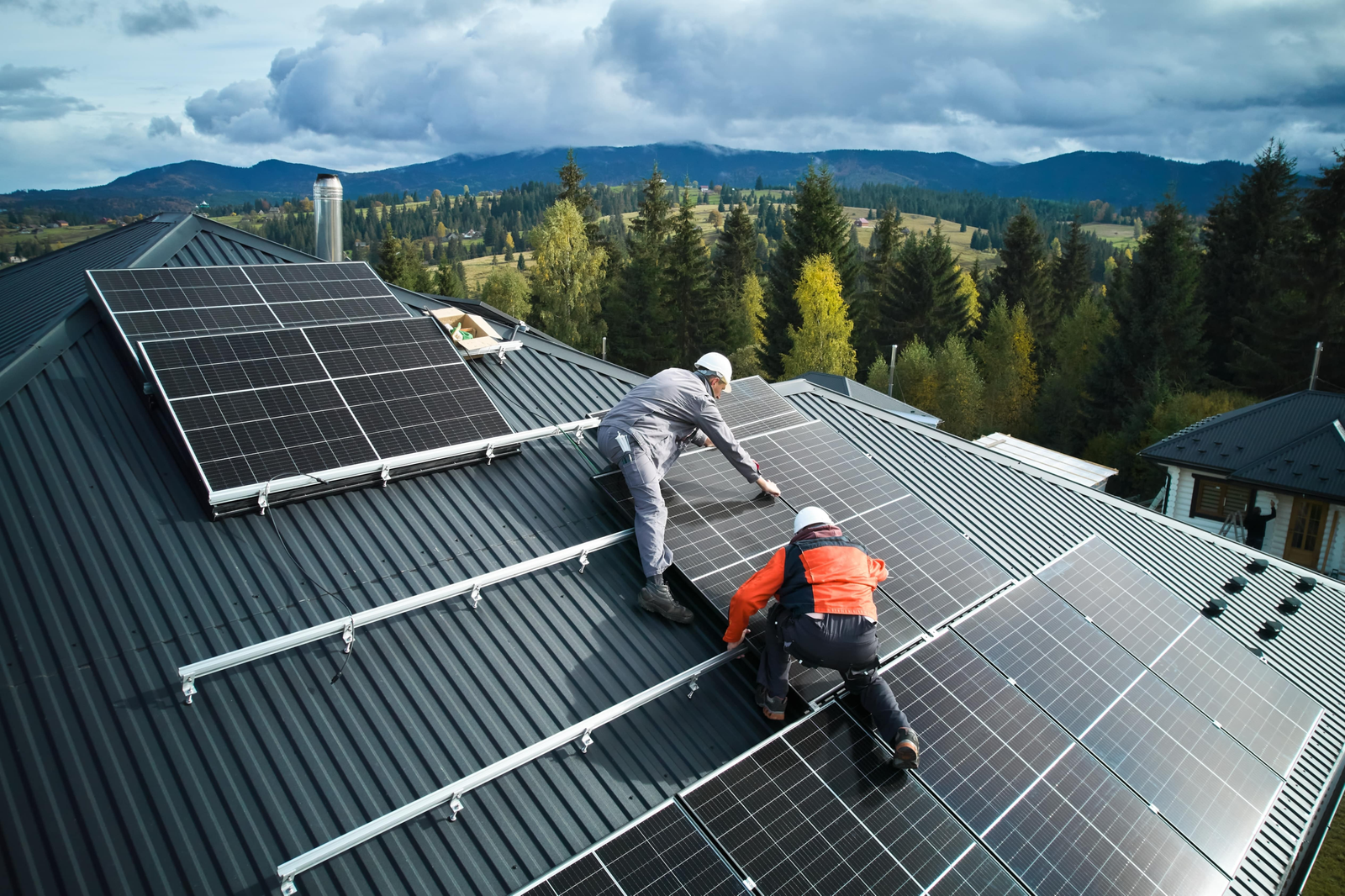
Solar energy is becoming an increasingly important part of sustainable living for households across Oxfordshire. Choosing the right local solar installers plays a critical role in ensuring your system is designed correctly, installed safely, and delivers reliable performance over the long term.
Moving to solar power involves more than fitting panels to a roof. Successful installations require a strong understanding of local planning requirements, regional weather conditions, and household energy use. Installers with local experience are better equipped to design systems that perform efficiently and remain compliant.
As renewable energy adoption continues to grow in Oxfordshire, more homeowners are recognising both the environmental and financial advantages of solar. Working with trusted local installers helps protect your investment, improve system performance, and support wider clean energy goals across the county.
Key Takeaways
- Prioritise local solar installers with regional expertise
- Verify professional certifications and industry accreditations
- Understand your specific energy consumption requirements
- Consider long-term performance and warranty offerings
- Evaluate potential return on investment for solar projects
Understanding Your Solar Energy Requirements and Budget
Preparing for a solar installation in Oxfordshire starts with careful planning. Before choosing a system or installer, it is important to understand how suitable your property is for solar, how much energy your household uses, and what budget range makes sense for your needs.
Assessing Your Property’s Solar Potential
The first step is confirming whether your roof can support an efficient solar installation. Several factors influence how well a system will perform:
- Roof orientation, with south-facing roofs typically generating the most electricity
- Roof pitch, ideally between 30 and 40 degrees
- Amount of usable roof space free from shading
- Structural condition and ability to support panel weight
While online tools can provide an initial estimate, a professional site survey is essential for accurate assessment. Installers can account for shading, roof condition, and layout in far more detail than automated tools.
Calculating Your Household Energy Needs
Understanding your current energy use helps ensure your solar system is correctly sized. Reviewing recent electricity bills allows you to identify:
- Average daily electricity consumption
- Peak usage times during the day
- Total annual energy use
This information helps avoid overspending on an oversized system or underinvesting in one that does not meet your household’s needs.
Setting A Realistic Solar Installation Budget
Solar installation costs in the UK vary depending on system size and component quality. Typical ranges are outlined below:
| System Size | Typical Cost Range | Estimated Annual Generation |
| 3–4 kW | £4,000–£6,000 | 2,700–3,200 kWh |
| 4–6 kW | £6,000–£8,000 | 3,400–5,000 kWh |
| 6–8 kW | £8,000–£10,000 | 5,100–6,700 kWh |
When planning your budget, it is also worth considering available finance options, including upfront purchase, financing plans, and government-backed schemes such as the Smart Export Guarantee. These can improve affordability and increase long-term returns from your solar investment.
Essential Qualifications and Certifications to Look For in Local Solar Installers in Oxfordshire
Choosing the right solar installer is crucial. The right person can make your solar investment last longer and work better.
When looking for certified solar installers in Oxfordshire, focus on these key qualifications:
- MCS certification, the gold standard for solar installer qualifications in the UK
- NICEIC approved installers with electrical safety credentials
- RECC membership demonstrating consumer protection commitment
- Renewable energy accreditation from recognised industry bodies
The Microgeneration Certification Scheme (MCS certification) is the most important for solar pros. It shows they meet strict UK standards for setup and design.
| Certification | Key Benefits | Verification Method |
| MCS Certification | Government incentive eligibility | Official MCS database check |
| NICEIC Approval | Electrical safety compliance | Direct certification verification |
| RECC Membership | Consumer protection | Independent dispute resolution |
Your installer should have professional insurance and training. They should also have clear, detailed documents. Always ask for proof of these before starting a solar project.
Good credentials mean your investment is safe. Bad installers can harm your system’s performance, safety, and your chance for government help.
Evaluating Installer Reputation and Customer Reviews
Assessing the reputation of local solar installers in Oxfordshire is an essential step in choosing a provider you can trust. Taking time to research installers thoroughly helps reduce the risk of poor workmanship, unclear warranties, or underperforming systems.
Exploring Online Reviews And Testimonials
Online reviews offer valuable insight into how local solar installers operate in practice. Reputable platforms to check include:
- Google Reviews
- Trustpilot
- Trusted Traders
- Local renewable energy or community forums
When reviewing feedback, focus on consistent patterns rather than isolated opinions. Look for detailed comments about installation quality, communication, system performance, and aftercare support, as these provide a clearer picture of long-term reliability.
Requesting Client References
Established solar installers should be willing to provide references from previous customers. Speaking directly with past clients allows you to ask specific questions about their experience, including:
- Whether installation timelines were met
- How the system has performed over time
- The quality of customer support before and after installation
- How any issues or maintenance needs were handled
First-hand feedback can help confirm whether an installer delivers on their promises.
Checking Industry Accreditations And Recognition
Trusted installers often demonstrate their credibility through recognised industry accreditations and awards. While awards alone should not determine your choice, they can reinforce confidence in an installer’s standards and expertise.
Look for installers who hold recognised certifications and have been acknowledged within the renewable energy sector, as this reflects a commitment to quality, compliance, and professional best practice.
Conclusion
Choosing the right solar installers in Oxfordshire requires careful consideration and informed decision-making. A successful solar investment is not about selecting the lowest price, but about ensuring long-term performance, reliability, and value.
Start by assessing your property’s suitability for solar and understanding your household energy use, as this helps guide system design and installer selection. Reliable installers should hold MCS certification, provide clear documentation, and demonstrate consistent service quality through reviews and references.
Comparing detailed quotes, equipment specifications, and warranty terms is essential, as solar installations are long-term assets that affect both property value and energy costs. By taking a structured approach, you can secure a dependable solar system that delivers lasting financial and environmental benefits for your Oxfordshire home.
FAQ
What Certifications Should I Look For When Choosing a Solar Installer?
Look for MCS (Microgeneration Certification Scheme) certification, as it is required for eligibility under UK incentive schemes. Installers should also hold NICEIC or NAPIT electrical certification, be members of RECC for consumer protection, and have manufacturer accreditations where applicable.
Can Solar Panels Be Installed on a North-Facing Roof?
South-facing roofs offer the highest output, but east- and west-facing roofs can still perform well. North-facing roofs are less suitable, though a professional assessment can determine viability by evaluating roof pitch, shading, and available space.
Do I Need Planning Permission for Solar Panels in Oxfordshire?
Most residential solar installations fall under permitted development and do not require planning permission. However, listed buildings, conservation areas, or protected landscapes may need approval. A local installer or Buckinghamshire council can confirm requirements.
How Long Does a Typical Solar Panel Installation Take?
Installing solar panels usually takes 1-2 days. But, the whole process can take 4-8 weeks. This includes checking the site, designing the system, getting permissions, buying parts, installing, and testing.
What Maintenance Do Solar Panels Require?
Solar panels require minimal maintenance. An annual inspection and occasional cleaning are usually sufficient, with rain often helping to keep panels clear. Monitoring systems allow you to track performance and identify issues early.
Can Battery Storage Be Added Later?
Yes, battery storage can be added to many solar systems at a later stage. Discussing future battery options with your installer during the initial design ensures the system is compatible and sized appropriately.