
How Image to Video AI Transformed My Content Creation Process (And Why You Should Care)

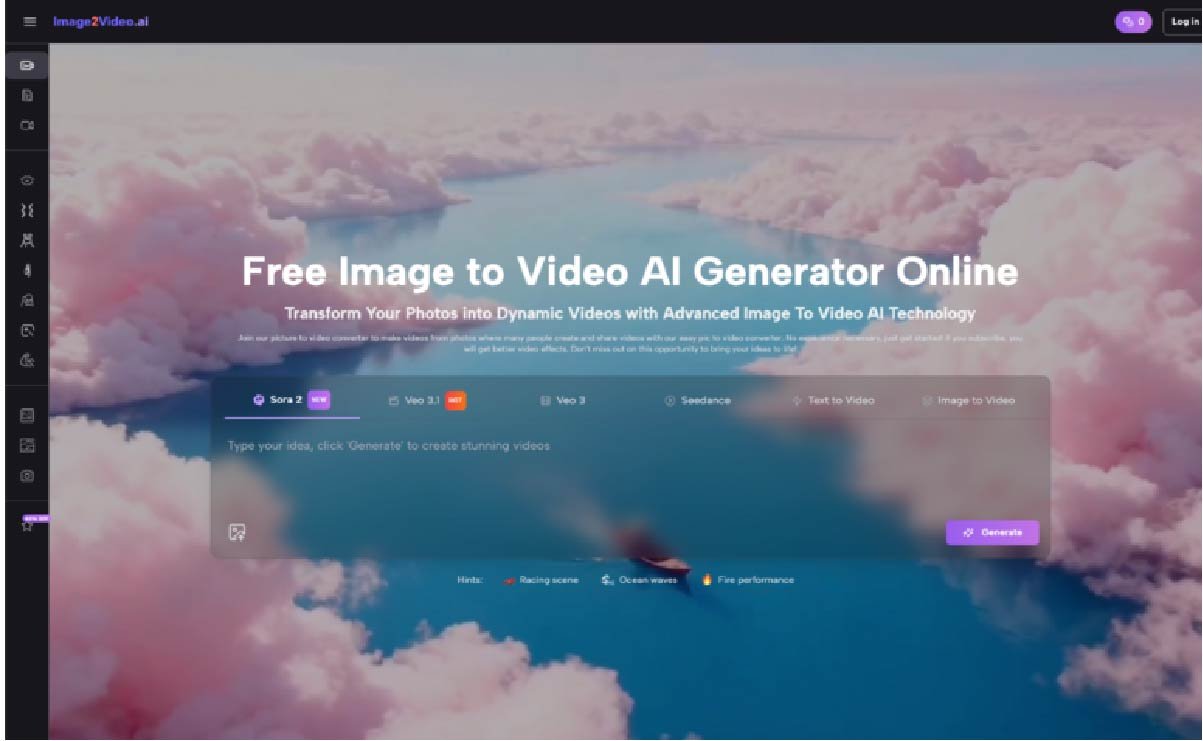
Last month, I faced a familiar nightmare. My client needed 50 product videos for their holiday campaign, and we had exactly 72 hours. Traditional video production? That would’ve cost us $20,000 and taken three weeks minimum. Instead, I turned to image to video technology—and delivered everything in two days for under $200.
If you’re running a small business or managing content for multiple clients, you know the struggle. Video content drives 1200% more shares than text and images combined, yet most of us can’t afford professional video production. That’s where Image to Video AI becomes your secret weapon.
What Makes Image to Video AI Different from Traditional Video Creation
Think of Image to Video AI as having a Hollywood effects team in your browser. You upload a static photo, describe what you want to happen, and within minutes, you’ve got a professional-looking video complete with smooth camera movements, natural animations, and cinematic transitions.
I’ve tested dozens of photo to video converters over the past two years. Most are glorified slideshow makers that simply pan across your images. True Image to Video AI goes deeper—it actually understands your photo’s content and creates contextually appropriate animations. When I uploaded a product photo of a coffee maker, the AI added steam effects and a gentle zoom that highlighted the chrome finish. No manual keyframing required.
The technology works by analyzing your image’s depth, identifying objects and their relationships, then generating intermediate frames that create fluid motion. It’s the difference between a PowerPoint transition and a professionally animated sequence.
Real Cost Savings: My Agency’s Before and After
Here’s what changed when we integrated Image to Video AI into our workflow:
Before (Traditional Video Production):
- Product showcase video: $400-800 per video
- Turnaround time: 5-7 business days
- Revisions: Additional $150 per round
- Required skills: Video editing, motion graphics, color grading
After (Using Image to Video AI):
- Product showcase video: $0-10 per video
- Turnaround time: 5-10 minutes
- Revisions: Unlimited (just regenerate)
- Required skills: Basic computer literacy
Last quarter alone, we saved our clients over $45,000 in video production costs while increasing their video output by 300%. One e-commerce client saw their conversion rate jump 23% after replacing static product images with AI-generated videos.
Step-by-Step: Creating Your First AI Video in Under 5 Minutes
I’ll walk you through exactly how I created a product launch video for a skincare brand yesterday:
Step 1: Image Selection and Upload
I chose a high-resolution product photo (2048×2048 pixels works best). The Image to Video AI platform accepted my PNG file instantly—no compression or format conversion needed.
Step 2: Crafting the Perfect Prompt
Instead of just typing “make it move,” I wrote: “Slowly rotate the bottle 360 degrees while soft light highlights the gold label. Add subtle particle effects suggesting luxury and elegance.” Specific prompts yield professional results.
Step 3: Processing and Preview
The Image to Video AI engine processed my request in about 4 minutes. I could see the progress bar updating in real-time—no mysterious black box waiting.
Step 4: Fine-tuning and Export
The first result was 90% perfect. I regenerated with a slight prompt adjustment (“slower rotation, more prominent particles”) and had my final video ready for the client’s Instagram campaign.
Common Pitfalls and How to Avoid Them
After creating hundreds of videos with Image to Video AI, I’ve learned what works and what doesn’t:
Mistake #1: Low-Quality Source Images Garbage in, garbage out. Your photo to video results depend heavily on your source material. I always use images at least 1920×1080 pixels with good lighting and sharp focus.
Mistake #2: Vague Prompts “Make it cool” won’t cut it. The Image to Video AI responds best to specific, descriptive language. Instead of “add movement,” try “camera slowly zooms in while the product rotates clockwise against a gradient background.”
Mistake #3: Overcomplicating Simple Needs Sometimes a subtle ken burns effect is all you need. Not every image requires explosions and dramatic transitions. I’ve found that understated animations often perform better on social media.
Advanced Techniques That Deliver Professional Results
Once you master the basics, these pro tips will elevate your Image to Video AI creations:
Batch Processing for Campaigns
I discovered you can queue multiple images with similar prompts. Last week, I converted 30 product photos into videos for a client’s Facebook catalog in under an hour. Each maintained consistent styling while showcasing unique product features.
Combining AI Videos with Traditional Editing
The Image to Video AI output serves as excellent b-roll footage. I often generate several variations, then combine them in my editing software with text overlays and branded elements. This hybrid approach delivers premium results at a fraction of traditional costs.
Platform-Specific Optimization
Different social platforms favor different video styles. For TikTok, I use Image to Video AI to create snappy, 3-second loops with dramatic zooms. For LinkedIn, I generate subtle, professional animations that enhance rather than distract from the message.
Measuring ROI: Real Client Results
Let me share three quick wins from this month:
Local Restaurant Chain: Converted their menu photos into appetizing video content using Image to Video AI. Result: 40% increase in online orders within two weeks.
Fashion Boutique: Transformed product photography into dynamic Instagram Reels. Their photo to video content generated 5x more engagement than static posts.
B2B Software Company: Created explainer videos from screenshot sequences. Sales demos became 60% more effective when prospects could see the interface in motion.
The Future of Content Creation Is Already Here
Image to Video AI isn’t just another tool—it’s a fundamental shift in how we create visual content. While competitors charge $99+ monthly for basic slideshow makers, true AI-powered platforms deliver Hollywood-quality animations from simple photos.
I’ve watched this technology evolve from producing choppy, artificial movement to creating videos indistinguishable from traditional production. The latest Image to Video AI models understand physics, lighting, and natural motion patterns. They’re not just moving pixels—they’re bringing scenes to life.
For small business owners drowning in content demands, this technology levels the playing field. You no longer need a production team or expensive equipment. With Image to Video AI, your smartphone photos become professional marketing assets in minutes.
Getting Started Today
Ready to transform your content strategy? Here’s your action plan:
- Gather 5-10 high-quality product or service photos
- Choose a reliable Image to Video AI platform (look for free trials)
- Start with simple animations—subtle movement often works best
- Test different prompts to find your brand’s visual style
- Track engagement metrics compared to static images
The businesses winning online aren’t necessarily those with the biggest budgets—they’re the ones adapting fastest to new technologies. Image to Video AI puts professional video creation within everyone’s reach. The only question is: will you be an early adopter or play catch-up later?
Stop letting video production costs limit your marketing potential. Your photos are waiting to come alive.