
Designing a nursery is an exciting and meaningful part of preparing for a new arrival. It is often one of the first spaces parents create specifically for their child, which makes every decision feel important. While aesthetics play a role, the most successful nurseries are built around comfort, safety, and long-term practicality. Thoughtful furniture choices can have a lasting impact on how the space functions and how easily it adapts as family life evolves.
In Australian homes, where lifestyle, durability, and quality are highly valued, nursery furniture needs to do more than look good. It needs to support everyday routines, withstand regular use, and remain relevant as a child grows.
Starting With a Timeless Foundation
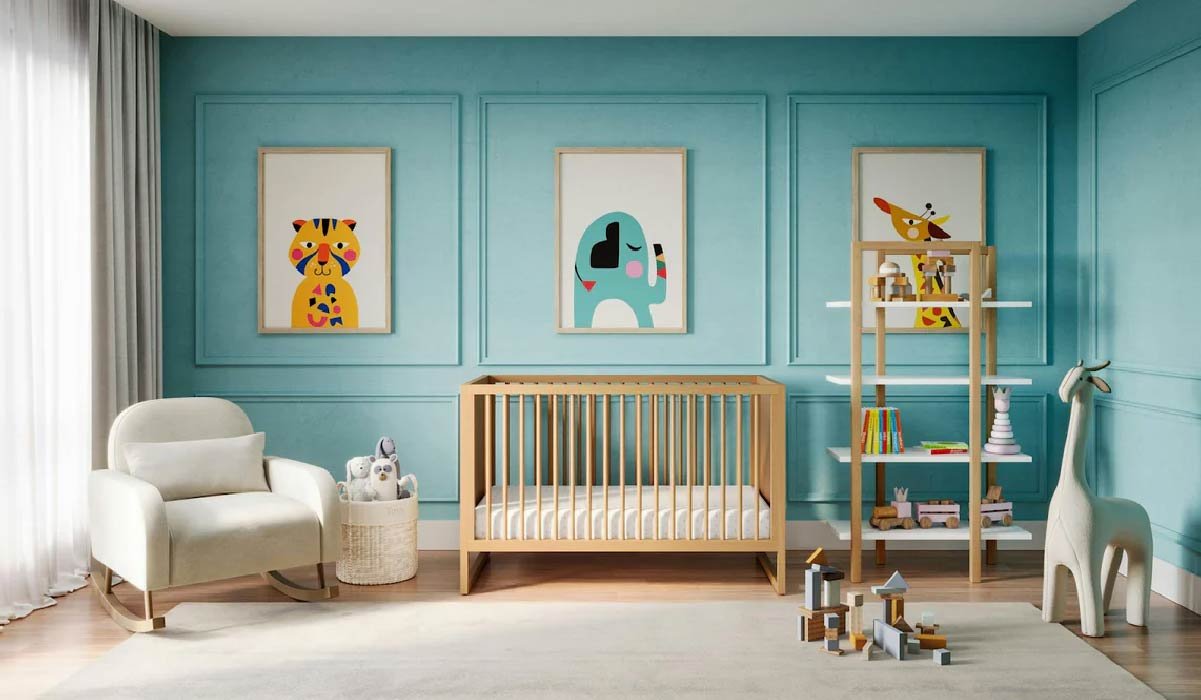
A well-designed nursery begins with a simple and timeless foundation. Neutral colours, natural materials, and clean lines help create a calm environment that feels welcoming rather than overwhelming. Soft whites, warm beiges, gentle greys, and natural timber tones are popular choices because they create a sense of balance and warmth.
This understated approach also makes it easier to update the room over time. As children grow, their interests and needs change, but a neutral base allows parents to refresh the space with new textiles, artwork, or accessories without needing a complete redesign. Quality materials play an important role here, as they ensure the nursery remains comfortable and visually appealing for years to come.
Natural materials such as solid wood, cotton fabrics, and woven storage elements add texture and depth while maintaining a relaxed feel. These materials tend to age well and suit a wide range of interiors, which is especially important in family homes where longevity matters.
The Importance of Choosing the Right Cot
The cot is often the centrepiece of the nursery and one of the most important furniture decisions parents make. It is where babies spend a significant amount of time resting and sleeping, which makes stability, comfort, and safety essential.
Many families look for quality baby cots for Australian homes that are made from durable materials and designed with safety standards in mind. A well-constructed cot should feel solid and secure, offering peace of mind from the moment it is assembled. Features such as adjustable mattress heights allow the cot to adapt as the baby grows, supporting both safety and convenience.
Conversion options, such as the ability to transform the cot into a toddler bed, are also highly valued. These designs extend the life of the furniture and help children transition more comfortably between stages, making the cot a long-term investment rather than a short-term solution.
Creating a Safe and Practical Layout
The layout of the nursery plays a crucial role in how the space feels and functions on a daily basis. Thoughtful placement of furniture can make routines easier and contribute to a calmer atmosphere.
The cot should be positioned away from windows, cords, blinds, and heating sources to maintain a safe and consistent sleeping environment. Clear space around key furniture pieces allows parents to move easily during night feeds and early mornings, reducing stress and improving comfort.
Avoiding overcrowding is equally important. While it can be tempting to include extra furniture, a more open layout helps the room feel balanced and spacious. This sense of openness supports relaxation and makes the nursery easier to navigate during busy moments.
Storage That Supports Daily Routines
Every nursery needs storage, but it should be carefully planned rather than excessive. Drawers, shelves, and storage baskets help keep clothing, nappies, bedding, and toys organised and within easy reach. When everything has a designated place, daily routines become smoother and more efficient.
Multi-use furniture, such as change tables with built-in storage, can be especially helpful in smaller spaces. Keeping surfaces clear also contributes to a calmer visual environment, which benefits both parents and children.
An organised nursery is easier to maintain and less overwhelming, particularly during the early months when routines are still forming.
Lighting for Comfort and Ease
Lighting plays a significant role in shaping the atmosphere of a nursery. A combination of lighting types works best, with soft ambient lighting creating warmth and focused lighting supporting practical tasks such as changing and feeding.
Warm light tones are particularly useful during night-time care, as they are gentler on tired eyes and less disruptive to sleep. A small lamp or dim night light allows parents to check on their baby without fully waking the room.
Well-planned lighting helps the nursery adapt seamlessly from day to night, supporting both activity and rest.
A Nursery Built to Grow
A well-designed nursery should support family life beyond the newborn stage. By choosing quality furniture, flexible layouts, and timeless design elements, parents can create a space that grows with their child and continues to feel comfortable and welcoming.
Rather than focusing on trends, thoughtful nursery design prioritises longevity and everyday usability. When decisions are made with care, the nursery becomes more than just a baby’s room. It becomes a supportive, calming space that evolves alongside the family and remains a meaningful part of the home for years to come.