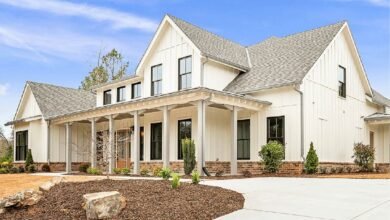


Owning an older home comes with charm, character, and history—but it also brings unique maintenance challenges. Unlike modern constructions, older homes often require extra attention to preserve their structural integrity and aesthetic appeal. With the right care, you can maintain the beauty and functionality of your vintage property while avoiding costly repairs. Here’s a practical guide to keeping your older home in top shape.
1. Inspect the Roof and Gutters
One of the most critical areas in any older home is the roof. Over time, shingles can crack, tiles may loosen, and flashing may deteriorate. Regular inspections—at least twice a year—can help you catch small issues before they become major problems. Clean gutters and downspouts are equally important. Clogged gutters can lead to water damage, foundation issues, and even mold growth. Consider installing gutter guards to minimize debris accumulation.
2. Maintain the Foundation and Basement
Older homes may have foundation issues due to settling over time. Keep an eye out for cracks in walls or uneven floors, as these could signal foundation problems. In basements, check for signs of moisture or water intrusion. Installing a sump pump and waterproofing measures can prevent long-term damage. In colder climates, using Utah heat cable in pipes and drainage systems can prevent freezing and costly repairs during winter.
3. Update Plumbing and Electrical Systems
A common challenge in older homes is outdated plumbing and electrical wiring. Old pipes may corrode, leading to leaks or water quality issues. Similarly, outdated electrical systems can struggle to handle modern appliances and may pose safety hazards. Hiring licensed professionals to inspect and upgrade these systems ensures safety and reliability. Consider replacing galvanized pipes with copper or PEX piping and upgrading circuit breakers to meet current standards.
4. Preserve Original Windows and Doors
Older homes often feature beautiful, historic windows and doors. While replacement may be necessary in some cases, maintaining them properly can preserve their character. Regularly check for drafts, rot, or broken panes. Weatherstripping and caulking can improve energy efficiency without compromising aesthetics. If repairs are extensive, consider consulting a restoration specialist who can repair rather than replace these elements.
5. Mind the Exterior: Siding and Paint
The exterior of an older home protects it from weather, pests, and wear. Wooden siding may crack or warp over time, while brick and stone require occasional repointing. A fresh coat of paint not only enhances curb appeal but also acts as a protective barrier. Be sure to use high-quality, weather-resistant paint and materials suited to your region’s climate.
6. Keep HVAC Systems in Check
Heating, ventilation, and air conditioning systems in older homes may be less efficient than modern units. Regular maintenance, including filter changes and annual inspections, ensures they operate effectively. Upgrading insulation and sealing ducts can further improve efficiency and comfort. Older homes often benefit from smart thermostats, which can optimize energy use without compromising historic integrity.
7. Focus on Preventive Maintenance
The key to preserving an older home is preventive maintenance. Create a seasonal checklist to inspect plumbing, electrical systems, roofing, and structural elements. Clean chimneys and fireplaces annually, and check for pests that may damage woodwork. Regular upkeep may feel labor-intensive, but it prevents small problems from escalating into costly repairs.
8. Embrace Modern Solutions Carefully
While the goal is to preserve character, certain modern upgrades can make maintenance easier. Energy-efficient lighting, smart home systems, and updated appliances can reduce stress on older systems. Be selective, choosing solutions that enhance safety and efficiency without compromising the home’s historic charm.
Conclusion
Owning an older home is a rewarding experience, but it requires commitment. By staying vigilant and addressing issues early, you can protect your investment, maintain safety, and enjoy the unique charm of your vintage property. From roof inspections to plumbing upgrades, each maintenance step contributes to a home that stands the test of time. With a mix of traditional care and thoughtful modern updates, your older home can remain a timeless treasure for generations to come.