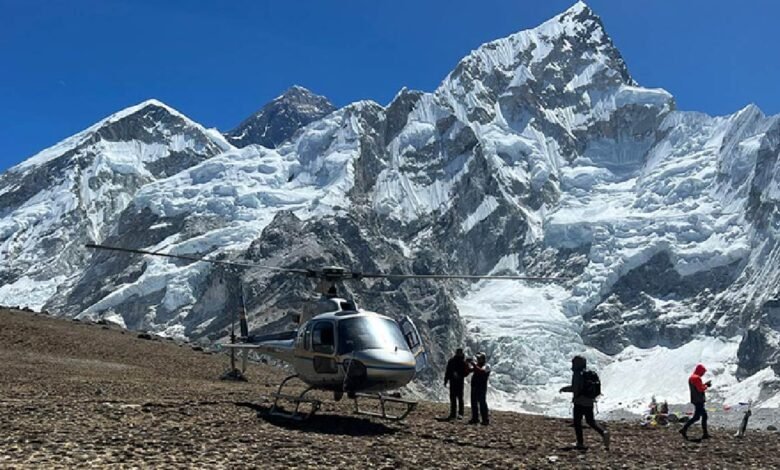
Even though exploring the Everest region is a dream of many, its long duration makes it inconvenient for many. The classic trek to the base camp of the highest mountain in the world takes about 12 to 14 days, starting from Kathmandu, making the journey impractical for people with a limited time frame. However, there are a few shorter alternatives that offer all the key experiences of the standard trek. Amongst them, the Everest Base Camp Trek with Helicopter Return remains at the top. This is because it does not compromise with any scenic or cultural highlights. Furthermore, trekkers who want to explore the region in a matter of just a day should opt for guided helicopter tours. They take just a few hours and offer breathtaking aerial views of the Khumbu region.
Everest Base Camp Journey With Scenic Flight
The journey follows the same trail as the classic trek. Trekkers pass through colorful Sherpa settlements and rhododendron and bamboo forests in the lower and mid regions. Similarly, trekkers cross several suspension bridges that are decorated with prayer flags, reflecting the Tibetan-Buddhism values of the locals. Ascending up, the trail shifts to a more rugged section, as vegetation becomes sparse.
Along the way, trekkers witness the panoramic views of Mount Ama Dablam, Nuptse, Lhotse, and Everest. Passing through the Sagarmatha National Park brings the opportunity to explore the unique wild animals and vegetation. The ultimate reward of the trek is reaching the base camp. Similarly, a hike to the Kala Patthar viewpoint presents a golden sunrise view.
After that, instead of retracing the long, physically demanding descent back to Lukla, trekkers take a scenic helicopter flight from Gorak Shep. This removes the last few days of the standard trek, making it ideal for busy travellers.
Guided Trek For Busy Individuals
Since you can not spend weeks planning every small detail of the journey, it is better to opt for tour packages. The tour operators handle all the necessary logistics, like permits, accommodation, and transportation. This allows the trekkers to focus on enjoying the trek without any worry. Similarly, they handle the entire process of getting permits, removing all the hassle of legal paperwork.
The tour operators set daily itineraries according to your schedule, carefully planning walking hours and acclimatization. During the peak trekking seasons they pre-book accommodation at reliable tea houses and lodges. Guided trips also provide porters who carry your heavy luggage through the trails. As they transport your load during the journey, you can soak in the sweeping views and save energy for the challenging sections.
A licensed trekking guide assists you throughout the journey. He leads the route, manages daily pacing and closely monitors your health conditions, which reduces the chances of Acute Mountain Sickness. Therefore, as the trip is well-organized, it is time-saving and ideal for busy travellers.
Tips
Picking the right time
For trekkers with tight schedules, timing an Everest trek is key to keeping the journey efficient and hassle-free. Spring (March to May) and autumn (September to November) are the most suitable seasons to explore the Everest region. Similarly, these periods offer stable weather, clearer skies, moderate temperatures, and excellent visibility, reducing the risk of delays, particularly because of the flights to and from Lukla. Consistent conditions make it easy to keep trekking plans on track preventing the need for additional days.
Pack Light
Only keep the essentials and avoid overstuffing your luggage. Travelling light helps reduce exhaustion and makes it easier to maintain a consistent pace while trekking for long durations. So, busy travellers should carry lightweight, multipurpose clothes and layer them for a few days. It is better to avoid packing the unnecessary items that just make the backpack heavier and slow you down.
Use packing cubes or compression bags to simplify daily packing and unpacking. Additionally, the Lukla flight has strict weight restrictions; you can take a total of 15 kg, including your bag and hand luggage. Wear your heavy gear, such as trekking boots, to stay under the weight limits.
Physical Preparation
Improving your overall stamina and endurance helps you complete the trek with minimal discomfort. Even with limited time, targeted training can greatly improve overall trekking ability, finishing it within the desired time frame. Simple activities such as brisk walking, climbing stairs, cycling, and light strength exercises make walking in high altitude more manageable.
Good fitness allows busy trekkers to keep a steady rhythm on the trail, recover more quickly each day and lower the risk of fatigue-related problems. It also improves acclimatisation, as a well-prepared body adjusts more efficiently to increasing altitude. For those with busy lifestyles, proper physical conditioning reduces physical stress, boosts confidence, and helps prevent schedule setbacks caused by exhaustion or injury.
Mental Endurance
Completing high-altitude treks requires more than just physical stamina. Learning about altitude-related symptoms, acclimatization practices, and trekking pace builds confidence. Trekkers should be prepared to leave the comfort and luxury and survive with basic needs while staying in the teahouses. Small setbacks and tiredness are very common, so trekkers should be determined and keep moving ahead. It is extremely helpful to hire an experienced guide for your Everest trek, as they support and motivate you to continue trekking despite the challenges.
In conclusion, strong mental readiness allows trekkers to adapt more easily to obstacles, maintain well-being, and fully appreciate the journey—transforming a demanding trek into a fulfilling experience that aligns well with a busy schedule.